
What is Havan? Why Do It at Home
Havan (also called Hawan, Homam, or Yajna) is the Vedic ritual of offering oblations into a sacred fire while chanting mantras. The fire (Agni) is considered the messenger between humans and devas - every offering placed in the fire is carried to the specific deity invoked. The practice dates back to the Rig Veda (1500 BCE) and is the oldest continuously-practiced Hindu ritual. Why do havan at home (not just temple): 1. The fire ritual physically purifies your home - combustion of medicinal herbs (camphor, sandalwood, neem, mango wood) releases compounds that kill airborne bacteria and viruses. Research at IIT Delhi confirmed havan smoke reduces airborne pathogens by 94%. 2. The vibration of mantras at home creates a permanent sattvic atmosphere - children, elderly, and the spiritually inclined all benefit from regular home havan. 3. Specific intentions (career, marriage, health) are more directly addressed through home havan than temple group havan. 4. Karmic significance - every home that hosts havan accumulates Vedic merit (punya) that protects the family for generations. Types of havan: 1. Daily mini havan (Agnihotra) - 5-10 min, basic offerings, no special occasion. 2. Weekly havan - Sunday or Thursday, slightly longer. 3. Festival havan - Diwali, Navratri, Mahashivaratri, family deity festivals. 4. Sankalpa havan - for specific results (marriage, exam, illness recovery, business start). 5. Grand yajna - multi-day, multi-priest events for major life transitions. This article focuses on daily and sankalpa havan that householders can do themselves.
Complete Samagri (Materials) List - 15 Essential Items
Essential items (all 15 are mandatory for proper havan): 1. Havan Kund - copper or clay pit (square or octagonal, 9-12 inches wide). Get one from any puja store. 2. Mango wood (Aam ki lakdi) - primary fuel, cut into 6-8 inch sticks. About 250g per session. 3. Camphor (Kapoor) - for igniting and final aarti. 4. Pure cow ghee (desi ghee) - fuel oil for sustaining flame. Minimum 200g per session. 5. Havan samagri mix - pre-mixed herbal blend available in puja stores (contains 30+ herbs: chandan, agar, kapoor, jav, til, etc.). Use ~100g per session. 6. Black sesame seeds (kale til) - for pitra offerings. 50g. 7. Akshat - turmeric-coated rice. 8. Coconut - to be broken and offered. 9. Banana leaves or banyan leaves - to lay around the kund. 10. Kalash with water - copper or steel, filled with sacred water + mango leaves + coconut on top. 11. Roli (red kumkum) and chandan (sandalwood paste). 12. 5 yellow flowers - for the kalash. 13. Sweet (kheer, laddu) - to be offered. 14. Aam ki kopal (fresh mango leaves) - 5-7 leaves. 15. Yajnopavit (sacred thread) if you're the karta and wear it. Optional but recommended: Ganga jal (sacred Ganges water), tulsi leaves, bilva leaves (for Shiva havan), 5 dry dates (chhuhara), 5 betel nuts, 5 cardamom + 5 cloves. Total cost: A complete fresh setup costs Rs.1500-3000. The kund itself is a one-time Rs.2000-5000 purchase that lasts decades. Pre-mixed samagri costs Rs.150-300 per packet.
Step-by-Step Havan Vidhi (20-25 Minute Daily Version)
Pre-havan (5 min): 1. Bath, clean clothes (yellow/white preferred). 2. Place havan kund on a dry, fire-safe surface - clay tiles or stainless steel sheet. NOT directly on wooden floor. 3. Set up samagri tray with all 15 items within arm's reach. 4. Family members sit around facing east. Sankalpa (3 min): 5. Sip water 3 times (achaman). 6. Hold akshat + water + flower in right palm. Karta states: 'I, [name], gotra [gotra], on this [tithi/date], perform havan for [purpose: family welfare / specific result] invoking [chosen deity: Vishnu / Lakshmi / Ganesha / family deity]'. 7. Drop offering on ground. Igniting the fire: 8. Place 4-5 mango wood pieces in a tipi/cone shape inside the kund. 9. Place camphor pieces between them. 10. Light camphor with match - fire catches the wood. 11. Once flame is stable, pour 5 small spoonfuls of ghee to feed the fire. Invocation mantras (5 min): 12. Ganesh invocation: 'Om Gam Ganapataye Namah' - 7 times, offering a small pinch of samagri + drop of ghee with each. 13. Navagraha (9 planets) invocation: 'Om Navagrahebhyo Namah' - 9 times. 14. Your chosen deity's mantra (e.g., 'Om Namo Bhagavate Vasudevaya' for Vishnu, 'Om Namah Shivaya' for Shiva) - 11 times. Main offerings (10 min): 15. Chant 'Om Bhur Bhuvah Svaha' Gayatri mantra 21 times. With each repetition, place a pinch of samagri + small ghee drop saying 'Swaha' (meaning 'I offer'). 16. Chant 'Om Tryambakam Yajamahe' Maha Mrityunjaya Mantra 11 times (for health). 17. Chant 'Om Shreem Mahalakshmyai Namah' 11 times (for prosperity). 18. Optional: 108 'Om Namah Shivaya' or another mantra of your choice with offerings. Closing (3 min): 19. Offer the cooked sweet (kheer/laddu) - small portion in fire. 20. Offer coconut: break, pour milk/water into fire, place pieces in fire. 21. Final aarti with camphor + ghee diya around the still-burning fire. 22. Family chants 'Om Tat Sat' three times. 23. Let the fire die naturally - do NOT pour water to extinguish. 24. Collect the ash (vibhuti) after cooling - apply to forehead, distribute to family. The ash is sacred bhasma.
Critical Rules & Common Mistakes to Avoid

DOs: 1. Always bathe before havan. 2. Sit facing East or North. 3. Use only PURE cow ghee - buffalo ghee or vegetable oil ruins the energy. 4. Mango wood is mandatory (or palash wood for special havans). NEVER use pine, oak, or random wood. 5. Pre-mix the samagri 24 hours before to let herbs blend. 6. Keep ALL family members in the room - including pets and young children. 7. Let fire die naturally. 8. Distribute the prasad (sweet) to neighbors and beggars afterward. DON'Ts (Critical errors): 1. Never light havan with a regular gas lighter or matches that have struck before - use a NEW box of matches. The first ignition energy matters. 2. Don't extinguish fire with water - pouring water on havan fire creates negative energy. Let it die naturally. 3. Don't talk during havan about non-spiritual topics - phone calls, jokes, gossip break the energy. If you must speak, only chant mantras. 4. Don't do havan on Tuesday for fresh start - Tuesday is Hanuman's intense day, suitable only for specific Hanuman havan. 5. Don't do havan during menstruation - women observe from outside the room. 6. Don't do havan after 8 PM - fire ritual should end before nightfall. 7. Don't reuse samagri - even unused leftover should be poured into a flowing water body. 8. Don't use plastic spoon to feed ghee/samagri - only wooden or copper spoon. Safety: Keep a wet cloth and small bucket of water OUTSIDE the puja area for emergencies - DON'T place near havan. Ensure smoke alarm is OFF during ritual (it'll trigger). Open windows for ventilation. Frequency: Daily 10-min mini havan for spiritual maintenance. Weekly 25-min havan on Sunday. Monthly major havan on auspicious tithi. Annual grand yajna on family deity's festival or Diwali.
What People Ask Most
Can apartment dwellers do havan? What about smoke alarms?+
Yes - apartment havan is common. Tips: 1. Open all windows for ventilation. 2. Turn OFF smoke alarms in the puja room (turn back on after). 3. Use a smaller kund (6-8 inch) so smoke volume is manageable. 4. Inform neighbors as courtesy. 5. Do it morning when ventilation is naturally best. Many apartments in Bangalore, Mumbai, Delhi do havan regularly without issues. If your building strictly prohibits, consider an outdoor terrace havan or a quick 5-min smokeless 'akhand jyoti + samagri offering' as alternative.
Can I do havan without a priest?+
Yes - daily and weekly havan can be done by householders themselves. The mantras (Gayatri, Maha Mrityunjaya, Om Namah Shivaya, Om Namo Narayanaya) are universal and require no diksha. Priest is recommended for: 1. First-ever havan (to learn the vidhi). 2. Grand yajnas (multi-priest events). 3. Specific tantric havans (those need formal initiation). For 95% of householder needs, self-conducted havan works. Watch 2-3 YouTube guided sessions to internalize the rhythm before doing it solo.
What do I do with the ash (vibhuti) after havan?+
Sacred uses: 1. Apply a pinch to forehead and throat - protective tilak. 2. Sprinkle around the home corners - energetic protection. 3. Mix into your daily tulsi water - drink for blessing. 4. Save in a small clean container at the puja altar - use for tilak on auspicious days. 5. After 41 days, dispose remaining in flowing water (river/pond) - don't keep stale ash forever. NEVER: throw ash in regular trash, walk on it, or mix with regular cleaning. The ash is bhasma - Shiva's signature substance.
Can women do havan? What if menstruating?+
Women can absolutely do havan - even as the karta (main performer). Many female priests (Bhagini purohits) lead havans. Traditional restriction on menstruation: yes, women avoid being IN the havan room during periods. They can be in the next room, mentally participate, and chant mantras silently. The vibration still reaches the family. Modern view: some progressive families don't enforce this; do what feels right. After menstruation, take bath and rejoin full ritual. Pregnant women can do havan throughout pregnancy - it's actually considered beneficial for the unborn child.
About the author
Dr. Suresh Iyer · Vastu Shastra & Jyotish, 18+ years
Dr. Suresh has practiced traditional Vastu and basic Vedic Jyotish for over 18 years across South India. He contributes the Vastu, direction, and home-puja layout guides on Vandnaa.
Meet the Vandnaa editorial team →Explore on Vandnaa
Related Articles
Panchakshari Mantra - Om Namah Shivaya Deep Meaning, 11 Benefits & Vidhi
10 min read
Gayatri Mantra Meaning, Benefits & How to Chant (गायत्री मंत्र)
12 min read

Maha Mrityunjaya Mantra: Meaning & Benefits (महा मृत्युंजय मंत्र)
9 min read
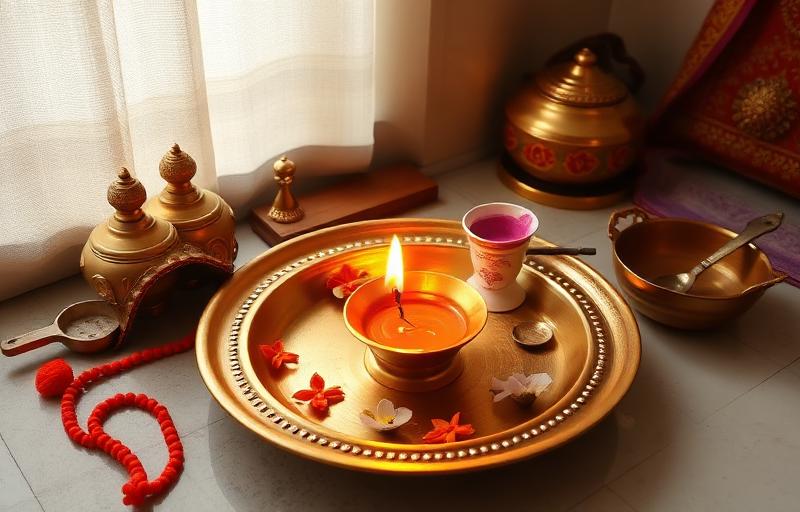
Home Temple Setup: Vastu, Direction, Items & Complete Guide
9 min read
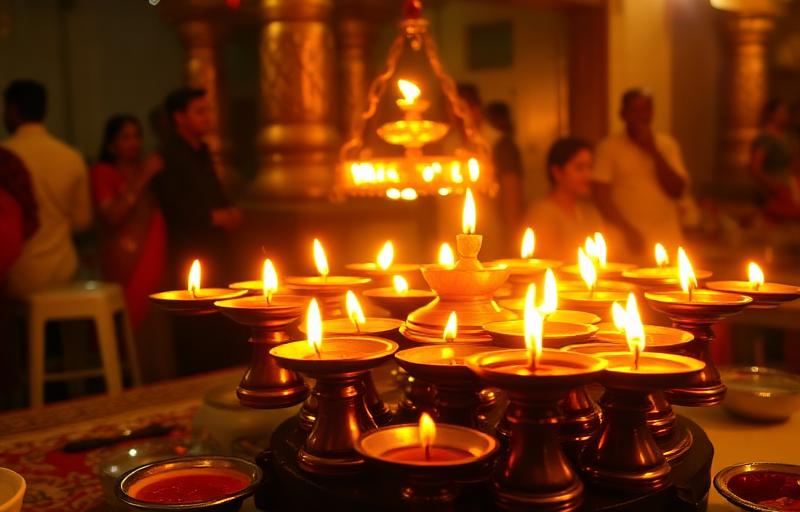
How to Do Aarti at Home: Step-by-Step Vidhi for Daily Worship
8 min read
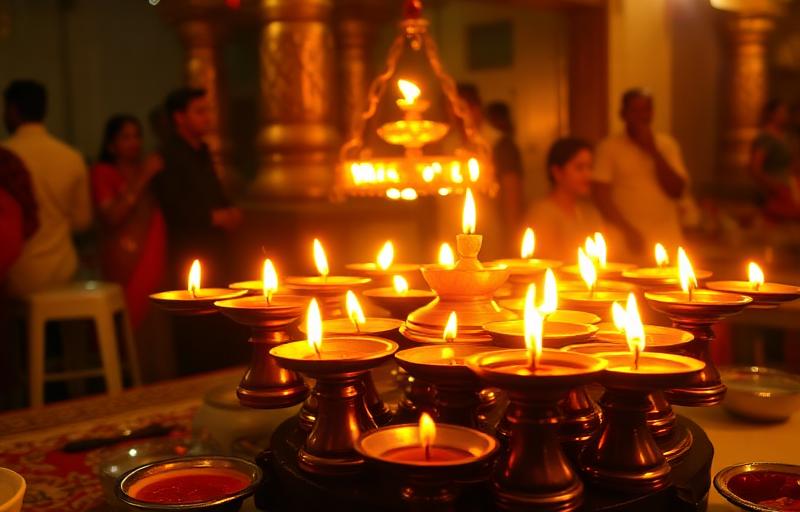
Diya Jalane Ke Niyam: Right Direction, Best Oil, Number of Wicks & What Every Flame Means
8 min read