Why Begin a Spiritual Journey
A spiritual journey is the inner search for peace, meaning and connection with the divine that lives within and around us. You do not need to renounce the world, change your job or master complex rituals to begin. The journey is simply a turning of the heart toward something higher, expressed through small daily practices done with sincerity. The first and most important step is the genuine wish to grow - everything else unfolds gently from there.
Start Small and Be Consistent
The biggest mistake beginners make is trying to do too much at once and then giving up. Start small - even five minutes of prayer or meditation a day is a beautiful beginning. It is far better to do a little every day than a lot once in a while, because spiritual growth comes from steady, gentle repetition. As the practice becomes a comfortable habit, you can slowly increase the time. Be patient and kind with yourself; this is a path, not a race.
Keep a Fixed Time and Place
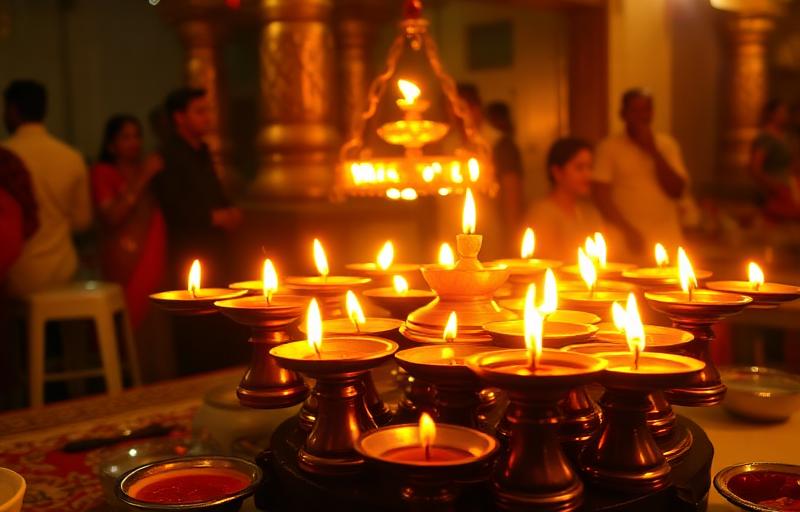
Choose a fixed time each day for your practice - early morning (brahma muhurta) before the world stirs is ideal, but any regular time works. Set aside a clean, quiet corner as your sacred space, perhaps with a small home mandir, an image of your ishta devata, and a lamp. Returning to the same time and place each day trains the mind to settle quickly and gradually makes practice feel as natural as eating or sleeping.
Choose a Simple Mantra or Practice
Begin with one simple mantra that touches your heart, and stay with it. Beautiful choices for beginners include:
- Om - the primordial sound
- Om Namah Shivaya
- Hare Krishna Maha Mantra
- The Gayatri Mantra
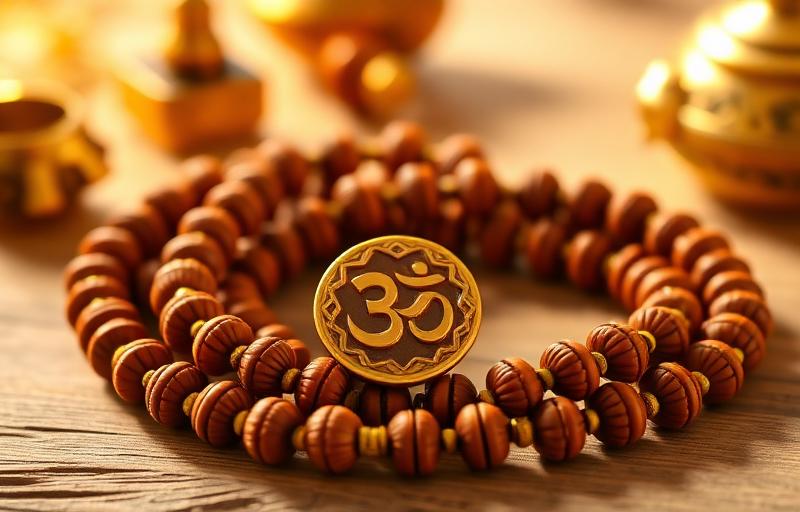
Repeat it softly with the breath, on a japa mala or simply in the mind. A single mantra practised with love and steadiness is far more powerful than many practices done casually. Let it become a constant, soothing companion through the day.
Seek Satsang and Sacred Reading
Good company nourishes the soul. Satsang - the company of the truthful and devoted - keeps inspiration alive, whether through a local group, family prayers, or trusted online discourses. Alongside this, read a little from the sacred texts each day: the Bhagavad Gita, the Ramayana, the lives of saints, or simple devotional stories. Even a few verses, reflected upon quietly, slowly reshape the mind and deepen understanding far more than reading large amounts in a hurry.
Carry Spirituality Into Daily Life
True spirituality is not confined to the prayer corner - it flows into how you live. Practise kindness, honesty and gratitude, serve others selflessly (seva), eat sattvic food where you can, and offer your daily work to the divine. Treat every person and creature with respect, and meet difficulties with patience and faith. When devotion quietly colours ordinary actions, the whole of life slowly becomes a continuous, joyful worship.
Gentle Reminders for the Path
A few reminders keep the journey joyful: do not compare your progress with others, as each soul moves at its own pace. Do not expect dramatic experiences - real growth is usually quiet and gradual. If you miss a day, simply begin again without guilt. Avoid spiritual pride, and stay humble and curious. Above all, remember that sincerity and love matter more than perfection; the divine responds to a longing heart, not a flawless routine.
Quick Answers
How do I start a spiritual journey as a beginner?+
Start small with five minutes of prayer or meditation daily at a fixed time and place. Choose one simple mantra, read a little from sacred texts, seek good company, and live with kindness and gratitude.
Do I need to give up my normal life to be spiritual?+
No. You can live a full family and working life while being spiritual. The journey is about turning the heart toward the divine through small daily practices, kindness and offering your work to God.
Which mantra is best for beginners?+
Simple, well-loved mantras like Om, Om Namah Shivaya, the Hare Krishna Maha Mantra or the Gayatri Mantra are ideal. Choose the one that touches your heart and stay with it consistently.
How much time should a beginner spend daily?+
Begin with just five to ten minutes a day and increase slowly as it becomes a habit. Consistency every day matters far more than a long session done only occasionally.
What is satsang and why is it important?+
Satsang is the company of the truthful and devoted - a prayer group, family worship or trusted discourses. Good company keeps inspiration alive and supports your practice, especially in the early days.
What if I miss days or feel no progress?+
Simply begin again without guilt if you miss a day. Real growth is usually quiet and gradual, not dramatic. Do not compare yourself with others; sincerity and love matter far more than perfection.
About the author
Pandit Ravindra Sharma · Vedic Rituals & Bhakti, 22+ years
Pandit Ravindra is the Vandnaa editorial team's resident specialist on aarti, chalisa, and daily devotion. He has performed home and temple pujas across Varanasi and Delhi for over two decades and contributes the bhakti-focused articles on this site.
Meet the Vandnaa editorial team →Explore on Vandnaa
Related Articles

Types of Meditation (Dhyana) - Techniques Guide
10 min read
Types of Karma - Sanchit, Prarabdha & Kriyaman
9 min read
Dharma - Meaning & Significance in Hinduism
9 min read
Sattvic, Rajasic & Tamasic Food (3 Gunas Diet)
9 min read
Bhagavad Gita - All 18 Chapters Summary & Key Teachings
10 min read

Home Mandir Setup - Direction, Vastu Rules, Dos and Don'ts
9 min read