Janmashtami fasting rules: quick answer
Janmashtami 2026 is Friday, 4 September in the Mumbai calendar. Many households choose phalahar (fruit and permitted vrat food), some take one simple meal, and some observe a stricter fast. Waterless fasting is not compulsory and is not recommended as a default.
There is no universal 36-hour nirjala requirement. Choose a practice compatible with your health, medicines and family tradition. Taking prasad after midnight worship does not automatically fulfil the formal parana rules used by every temple. The sections below separate those customs.
For date and temple differences, see Smarta and Vaishnava observance.
What can you eat during Janmashtami vrat?
Common phalahar choices, where your family accepts them:
- Fruit such as banana, apple, papaya and pomegranate.
- Milk, curd, paneer or unsweetened buttermilk if suitable for you.
- Makhana, nuts and modest portions of sabudana.
- Kuttu, singhara or sama dishes in traditions that allow them.
- Sendha namak in households that permit salt.
- Water and other suitable drinks; water is allowed in phalahar.
Some temple fasts permit only fruit or restrict these ingredients further. Millet is botanically a grain even when a family treats sama as fasting food. Read packaged-food ingredients and consider allergies; no food list is a personalised diabetes or pregnancy meal plan.
Foods commonly avoided—and what varies
Phalahar households commonly avoid wheat, ordinary rice, lentils, onion, garlic, meat, eggs and alcohol. Many use rock salt instead of table salt; others avoid salt completely. These are ritual food customs, not a claim that ordinary grains or iodised salt are unhealthy.
Bhog and your fasting meal are not always the same: wheat panjiri offered to Krishna may remain off your own menu until the prescribed grain-breaking time. Choose simple portions rather than relying on fried vrat snacks.
Midnight prasad vs next-day parana
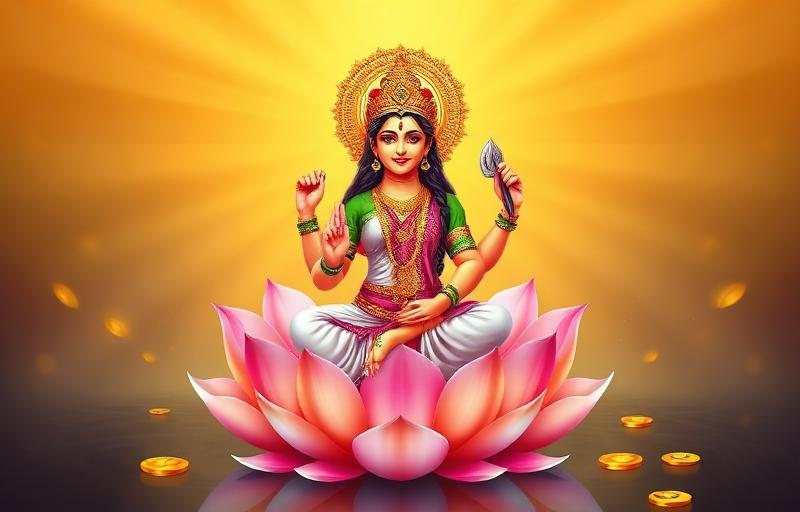
Household midnight custom: Some families conclude their observance after the birth puja on the night of 4–5 September, offer bhog and take a small amount of prasad.
Formal parana custom: Other traditions wait until the next day, using sunrise, the end of Ashtami and/or Rohini and their temple’s prescribed rule. Do not assume that sunrise or midnight alone settles every case. For the Mumbai 2026 observance, the following morning is 5 September, not 4 September. Exact permitted times must come from a city- and tradition-specific calendar.
See the dedicated Janmashtami parana guide. When you do end a fast, begin with suitable fluids and a small, familiar meal; avoid overeating. Do not prolong a fast if unwell.
Health precautions before fasting
Children should participate through stories, decoration and prayer rather than food or water restriction. Pregnant or breastfeeding people, older adults, and anyone with diabetes, kidney disease, illness or regular medicines should seek personalised medical advice before changing meals or fluids. Do not change or skip prescribed medication for a ritual.
Stop fasting and obtain appropriate help for faintness, confusion, marked weakness or dehydration. Puja without fasting remains an option. This guide is religious information, not medical advice.
Quick Answers
Is nirjala fasting compulsory?+
No. Waterless fasting is not compulsory; follow a health-compatible observance and seek medical advice where needed.
Can I drink water?+
Yes in phalahar. A voluntary waterless fast is a different practice, not the default requirement.
Can I break the fast after midnight?+
Some household traditions do; formal parana traditions may wait until the following day. Confirm with your temple’s calendar.
Can I eat sabudana and sendha namak?+
Many phalahar families allow them, but temple and household restrictions differ.
About the author
Pandit Mahesh Trivedi · Festival Traditions & Panchang
Pandit Mahesh leads the festival-date and Panchang content on Vandnaa. He cross-references multiple regional panchangs (Drik, Vaishnava, Bengali, Marathi) for every festival date published on the site.
Meet the Vandnaa editorial team →Explore on Vandnaa
Related Articles
Janmashtami 2026 Vrat Paran Time - When and How to Break the Fast
6 min read
Why Janmashtami Has Two Dates - Smarta vs Vaishnava Tradition Explained (2026)
6 min read
Janmashtami 2026: Exact Midnight Puja Muhurat and What Happens Then
7 min read
Chappan Bhog for Janmashtami: The Complete 56-Item List Explained
7 min read