Jogulamba of Alampur
In the town of Alampur in Telangana, on the banks of the Tungabhadra river near its meeting with the Krishna, stands the Jogulamba Temple, one of the most significant Shakti Peethas of southern India. The Devi here is worshipped as Jogulamba, a powerful form associated with the sixty four yoginis of tantric tradition.
Alampur is already renowned for its cluster of ancient Nava Brahma temples, dedicated to Lord Shiva in a distinctive Chalukyan architectural style, and the presence of Jogulamba beside them gives this quiet riverside town a rare dual identity of Shiva and Shakti worship together.
The Legend of the Shakti Peeth
Jogulamba Temple is counted among the eighteen Maha Shakti Peethas described in tradition, an important sub group among the larger list of Shakti Peethas across India. As per belief, the upper teeth of Sati fell at this site, consecrating Alampur as a seat of the Devi's fierce protective power.
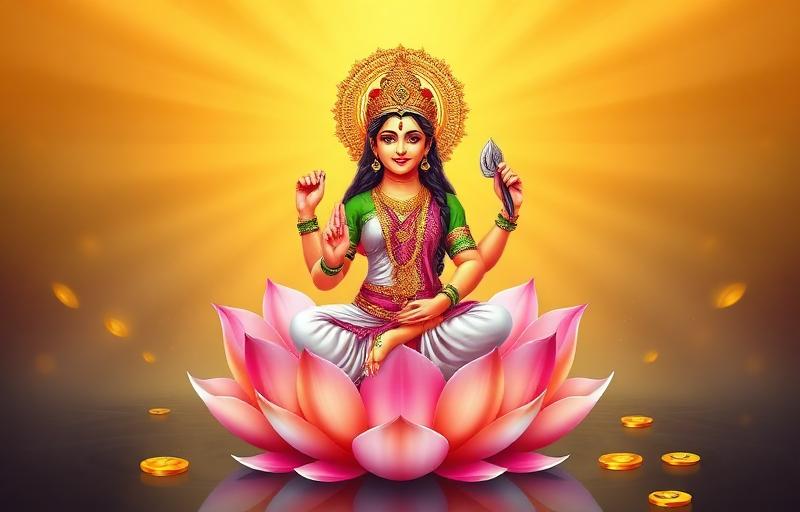
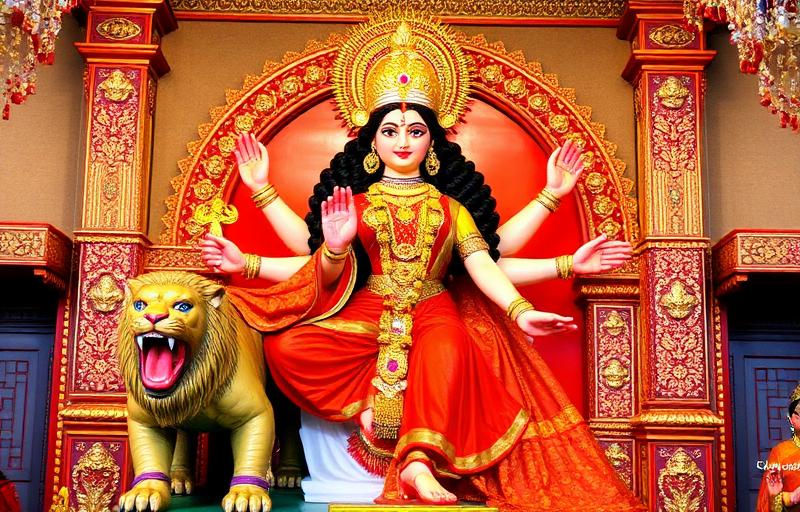
Jogulamba is traditionally depicted in a powerful, commanding form, seated amid symbols associated with the yoginis, reflecting her role as a guardian deity as much as a mother goddess. Over time, the temple faced periods of neglect and was lovingly restored in more recent times, allowing devotees to once again offer worship to the Devi in her rightful place.
Significance and What Devotees Pray For
Devotees visiting Jogulamba Temple pray for protection from harm, strength to overcome obstacles, and the Devi's grace in difficult times, drawing on her reputation as a fierce and powerful guardian goddess. As per tradition, sincere devotion here is believed to be met with swift compassion beneath the Devi's commanding form.
The combined presence of the Nava Brahma Shiva temples and the Jogulamba Shakti Peeth makes Alampur a place where devotees often complete a fuller circuit of worship, honouring both Shiva and Shakti in a single sacred visit.
Darshan Guide: Timings and Festivals

The temple follows a regular daily pattern of morning and evening aarti, with darshan available through the day for visiting devotees. As timings can vary, it is advisable to check locally, particularly around major festivals.
Navratri is celebrated with great devotion at Jogulamba Temple, and the wider Alampur temple complex also sees festive activity during Maha Shivratri, given the presence of the Nava Brahma Shiva shrines close by.
How to Reach Alampur
Alampur is located in the Jogulamba Gadwal district of Telangana, on the banks of the Tungabhadra river. The nearest railway stations are at Kurnool and Gadwal, from where the temple is reachable by road.
The nearest major airport is Hyderabad, from where devotees can travel onward by road or rail to reach Alampur and the Jogulamba Temple.
Mantra to Chant and Takeaway
Devotees chant Om Jogulambayai Namah (salutations to Devi Jogulamba) while offering their prayers, invoking her protective strength and grace.
A visit to Jogulamba Temple, standing quietly beside the ancient stones of the Nava Brahma temples, reminds devotees that Shiva and Shakti are never truly separate. Worship offered here, as at every Shakti Peeth, is an act of faith and love, not a transaction.
Frequently Asked Questions
Which body part of Sati is linked to Jogulamba Temple?+
According to tradition, the upper teeth of Sati fell at Alampur, making Jogulamba Temple one of the eighteen Maha Shakti Peethas described in tradition.
Why is Alampur special for pilgrims?+
Alampur is home to both the ancient Nava Brahma Shiva temples and the Jogulamba Shakti Peeth, giving devotees the rare opportunity to honour Shiva and Shakti together in one sacred visit.
What is the best time to visit Jogulamba Temple?+
Navratri is an especially significant time for darshan at Jogulamba Temple, along with Maha Shivratri, when the wider Alampur temple complex comes alive with festivity.
About the author
Pandit Ravindra Sharma · Vedic Rituals & Bhakti, 22+ years
Pandit Ravindra is the Vandnaa editorial team's resident specialist on aarti, chalisa, and daily devotion. He has performed home and temple pujas across Varanasi and Delhi for over two decades and contributes the bhakti-focused articles on this site.
Meet the Vandnaa editorial team →