What Is the Kaivalya Upanishad
The Kaivalya Upanishad is one of the shorter minor Upanishads, traditionally placed among the group associated with the Atharvaveda. Its name comes from kaivalya, meaning absolute oneness or aloneness, the state of the soul resting purely in itself, free from all bondage.
Despite its brevity, it is dense with meaning. Unlike Upanishads that unfold through long philosophical debate, the Kaivalya Upanishad moves quickly, using a teacher-student dialogue to point directly at the goal of all spiritual seeking, the realisation of the Self.
The Sage Ashvalayana Approaches Brahma
The Upanishad opens with the sage Ashvalayana approaching Lord Brahma, here addressed as Parameshthin, the one seated in the highest place. Ashvalayana asks to be taught that supreme, pure knowledge which the wise use to cast off all impurity and reach the highest state of being.
Brahma, pleased with the sincerity of the question, begins to teach him the path of kaivalya, a path built not on ritual accumulation but on faith, devotion, meditation and steady inner discipline.
Not by Rites, but by Renunciation Alone
One of the Upanishad's most quoted lines states plainly, na karmana na prajaya dhanena tyagenaike amritatvam anashuh - not through ritual action, not through children, not through wealth, but through renunciation alone have some attained immortality.
This single verse reframes the whole spiritual journey. It does not condemn family life or right action, but it insists that none of these, by themselves, can carry a soul to liberation. Only the inner act of letting go, of desire, of ownership, of the sense of "I did this", opens the way to kaivalya.
Meditation on the Self Seated Within
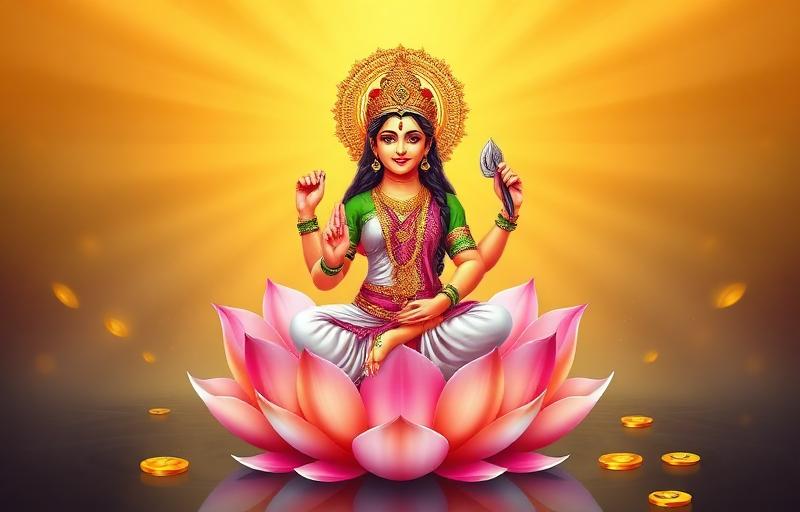
The Upanishad then turns to meditation, describing the Self as seated in the innermost cave of the heart, smaller than the smallest yet the support of all. The seeker is guided to withdraw the mind from the senses, steady the breath, and fix attention on this inner presence through the sound Om.
It teaches that the one who realises this Self comes to know it as none other than Shiva, the auspicious one, pure consciousness beyond name and form. The text uses the phrase Shivam eva kevalam, only Shiva alone remains, to describe the seeker's final, undivided realisation.
Benefits as Understood in Tradition
- Devotees believe reflecting on this Upanishad's teaching helps loosen attachment to achievements, possessions and titles
- It is said to cultivate vairagya, a healthy dispassion that does not reject the world but stops clinging to it
- Regular contemplation of the Self seated within is believed to steady the mind for deeper meditation
- As per tradition, its teaching on Shiva as the true nature of the Self is treasured especially in Shaiva households
A Simple Takeaway for Daily Life
The Kaivalya Upanishad's message is not a call to abandon one's home or duties, but an invitation to hold them more lightly. Doing one's work honestly while quietly letting go of the need to own its results is, in essence, the renunciation this Upanishad speaks of.
A small daily practice inspired by this teaching is to sit quietly for a few minutes, breathe evenly, and simply notice the awareness that is watching the breath, without naming or claiming it. Such reflection, tradition holds, is an act of faith and love, not a transaction.
What People Ask Most
What is the main teaching of the Kaivalya Upanishad?+
It teaches that liberation, or kaivalya, is reached not through rituals, children or wealth, but through renunciation, knowledge and meditation that reveals the Self as one with Shiva.
Who teaches Ashvalayana in the Kaivalya Upanishad?+
The sage Ashvalayana approaches Lord Brahma, addressed as Parameshthin, and asks to be taught the supreme knowledge that leads beyond all impurity to the highest state of being.
What does the word kaivalya mean?+
Kaivalya means absolute oneness or aloneness, the state in which the soul rests purely in its own true nature, free from bondage to the body, the mind and the cycle of rebirth.
About the author
Anjali Mehta · Editor, M.A. Religious Studies
Anjali is the managing editor for Vandnaa and oversees the festival and vrat coverage. She holds an M.A. in Religious Studies and reviews every published article for accuracy, accessibility, and tradition-fidelity.
Meet the Vandnaa editorial team →