The Temple at Bhairavgarh
The Kal Bhairav temple stands at Bhairavgarh, on the bank of the Shipra river a few kilometres from the centre of Ujjain in Madhya Pradesh.
What is there:
- A modest temple, far smaller than Ujjain's famous Mahakaleshwar, with a walled courtyard
- The image of Kal Bhairav, a stone face and torso, heavily draped and garlanded, with a silver crown
- A plate held to the lips of the image during the offering, which is the practice the temple is known for
- Traces of old Malwa style paintings on the walls, found under later plaster
- Shops outside selling the offering, along with flowers and coconut
The temple is mentioned in the Avanti Khanda of the Skanda Purana, and its foundation is traditionally attributed to a king named Bhadrasen. The present structure is later, and the site has been rebuilt more than once.
Ujjain is one of the great Shaiva cities of India, and the arrangement of its shrines is deliberate. Mahakaleshwar is the presiding deity, one of the jyotirlingas, and Kal Bhairav is understood as the kotwal, the guardian and police officer of the city, who keeps order on Mahakal's behalf.
That relationship explains a great deal about how he is worshipped, and what he is asked for.
Who Bhairav Is
Bhairav is one of the more misunderstood figures in the Hindu pantheon, so it is worth setting out what the tradition actually says.
The basics:
- Bhairav is a fierce form of Shiva, not a separate deity and not a demon
- The name carries the sense of terrifying, and the iconography is deliberately frightening, with fangs, a garland of skulls and a dog as vahana
- The best known katha has Bhairav emerging from Shiva's anger and severing a head of Brahma, after which he wanders as a Kapali, carrying the skull, until the sin is released at Kashi
- He is the guardian of the kshetra, the one posted at the boundary, and this is why so many temple towns have a Bhairav shrine at their edge
- Ashta Bhairav, the eight Bhairavs, guard the eight directions
Why a terrifying form is worshipped. This is the part that puzzles people who meet Bhairav for the first time, and the answer is consistent across the tradition.
- A guardian is not required to be pleasant. He is required to be effective
- Fierce forms are approached for protection, for justice, and for matters where a gentle deity is felt to be the wrong address
- The fear the image produces is understood to be directed outward, at what threatens the devotee, rather than at the devotee
Kal Bhairav, whose name adds kala, meaning time and also death, is the form in which this guardianship is at its most absolute. What he guards against, ultimately, is not thieves.
The Liquor Offering
The practice that brings most visitors to Bhairavgarh needs describing carefully, because it is widely sensationalised.
What actually happens:
- Devotees buy liquor at shops outside the temple, alongside flowers, coconut and garlands
- The bottle is handed to the priest, who pours it into a shallow plate
- The plate is held to the lips of the image, tilted, and the level in the plate drops
- A portion is returned to the devotee as prasad
- The offering is made throughout the day and the temple has done this for as long as anyone records
Why liquor. The background is tantric rather than folk.
- Certain tantric traditions use the panchamakara, five substances beginning with the syllable ma, of which madya, liquor, is one
- The logic of those traditions is that what is ordinarily prohibited is offered under ritual conditions, deliberately, as a way of refusing the distinction between pure and impure
- Fierce forms including Bhairav, and certain forms of the Devi, are the deities of those traditions
- Over centuries the practice at such shrines was domesticated, so that what remains is an offering made by ordinary families rather than an initiated rite
On the disappearing liquid. Visitors ask what happens to it, and honest answers vary. Devotees regard it as accepted by the deity. Sceptical accounts have proposed absorption through the porous stone or a channel behind the image. No public examination has settled it, and the temple does not invite one.
What can be said without taking a side is that the practice is old, continuous and central to the shrine's identity.
A necessary note. The offering is ritual, and the prasad returned is a token quantity. This is not an occasion for drinking, alcohol is prohibited on temple premises beyond the offering itself, and anyone travelling in the region should not confuse the ritual with permission. If alcohol is a problem in your life, the prasad can be declined without any impropriety, and no priest will object.
The Kotwal of Ujjain
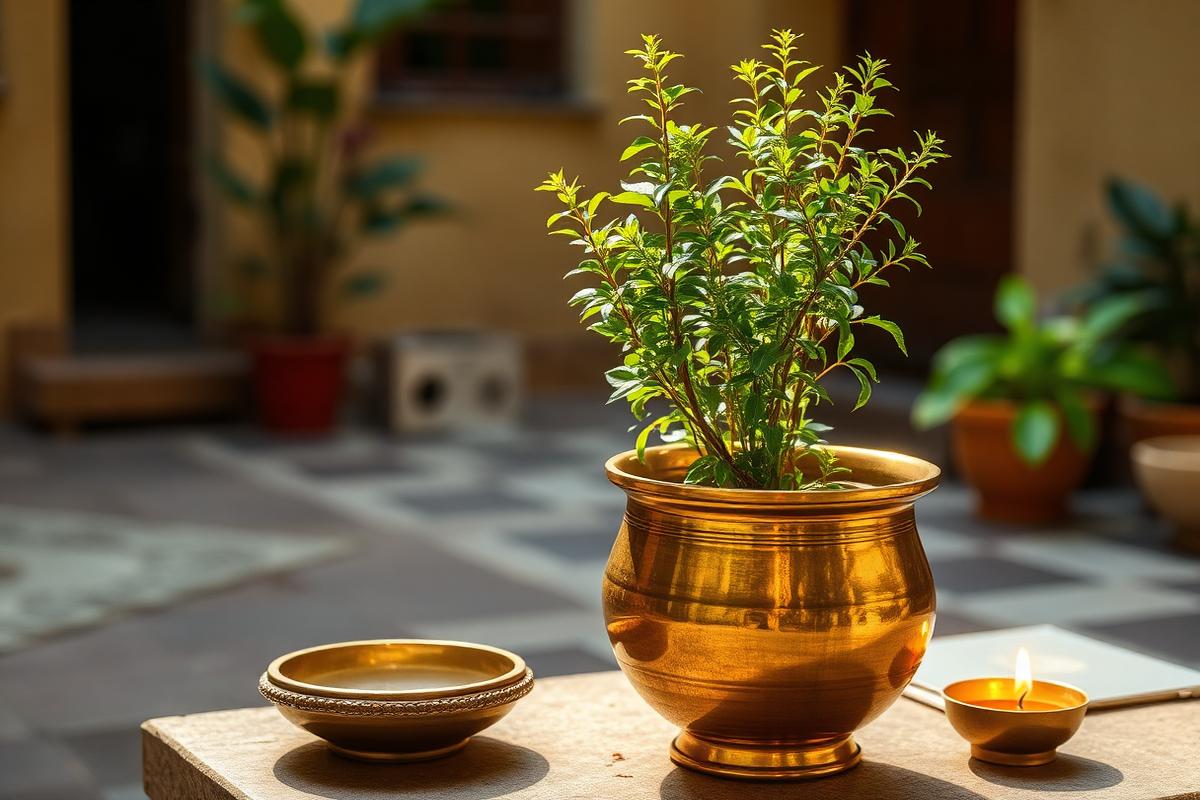
The idea that a deity holds a civic office is one of the more interesting features of Indian religious geography, and Ujjain is its clearest example.
How the arrangement is understood:
- Mahakaleshwar is the lord of the city, and Ujjain is his kshetra
- Kal Bhairav is his kotwal, the officer responsible for order within it
- Traditional practice held that a visitor to Ujjain should present themselves to the kotwal, and many pilgrims still take darshan at Bhairavgarh as part of a Mahakal visit
- Local usage extends the idea further, and the deity is invoked in matters of justice, disputes and wrongs done
Why cities assign deities to offices. This is not unique to Ujjain, and the pattern says something about how Indian towns understood themselves.
- A city with a presiding deity needs a boundary, and boundaries need guardians
- The office of kotwal makes the guardian's role specific rather than vague, with duties a devotee can appeal to
- It gives people a place to take a grievance that the ordinary authorities have not resolved
That last function is the living one. Fierce guardian deities across India, from Bhairav in the north to Karuppasamy and Muneeswarar in the south, are the deities of the wronged, approached when a matter cannot be settled elsewhere.
A temple like Bhairavgarh is not primarily about intoxicants. It is about having somewhere to go when you believe you have been treated unjustly, and a guardian understood to take that seriously.
Worship and the Calendar
The temple runs on a full daily schedule and has its own occasions in the year.
Daily worship:
- Darshan is available through the day, with aarti at fixed times morning and evening
- Offerings of liquor, coconut, flowers, garlands and a black or red cloth
- Offerings to the dog, Bhairav's vahana, are made by many devotees, and feeding dogs is treated as a form of service to him
- Sindoor and oil are applied to the image
The calendar:
- Kal Bhairav Jayanti, also called Bhairav Ashtami, on the eighth day of the dark fortnight of Margashirsha, the temple's principal festival
- Sundays and Tuesdays, the weekdays associated with Bhairav worship
- Ashtami of each fortnight, observed by regular devotees
- Mahashivratri, when all Ujjain is busy
- The Simhastha Kumbh, held at Ujjain roughly every twelve years, when the city fills entirely
Who comes and why. The petitions brought here run to a pattern:
- Protection of the household and of travellers
- Matters of justice, disputes, false accusation and litigation
- Relief from fear, and from what devotees describe as obstruction by unseen causes
- Fulfilment of vows made in difficulty
On that last category. Fear, persistent misfortune and a sense of being obstructed are also how anxiety, depression and exhaustion present themselves. Devotion sits alongside medical and psychological care and never in place of it, and anyone whose distress is affecting sleep, work or safety should be seen by a doctor. The deity of justice has never been in competition with the physician.
Visiting Kal Bhairav
Getting there
- Bhairavgarh, on the Shipra a few kilometres from central Ujjain, Madhya Pradesh
- Autos run from anywhere in Ujjain and the trip is short
- Ujjain has a railway station on the Western Railway network, and Indore airport is about 55 km away
- Most visitors combine the temple with Mahakaleshwar in the same morning
Timings
- Open through the day, with aarti morning and evening. Check locally, since timings shift on festivals
- Early morning is the quietest
When to go
- October to March for comfortable weather
- Kal Bhairav Jayanti in Margashirsha for the main festival
- Sundays for the weekly crowd
- Avoid the Simhastha period unless you specifically want the Kumbh, when Ujjain is overwhelmed
Practical notes
- The offering is bought outside. Do not carry your own
- Leave footwear at the counter. Keep valuables secure in the crowd
- Photography inside is restricted. Ask rather than assume
- The temple is small and the queue moves slowly on busy days. Go early
Etiquette
- This is a working shrine of a fierce deity, not a curiosity. Devotees around you are bringing serious matters
- Do not treat the liquor offering as a spectacle to be filmed
- Feeding the dogs around the temple is welcomed. Teasing them is not
Combining the visit
- Mahakaleshwar and its Bhasma Aarti, for which booking is required well in advance
- Harsiddhi temple, with its two famous lamp towers
- The Shipra ghats and Ram Ghat
- Sandipani Ashram, where Krishna is held to have studied
A closing thought. Indian religion is often presented to outsiders as either serene philosophy or colourful festival. Bhairavgarh is neither. It is a small temple where people bring their fear and their grievances to a deity with fangs, and pour him a drink, and the whole thing has been working for a very long time.
Common Questions From Devotees
Where is the Kal Bhairav temple in Ujjain?+
At Bhairavgarh on the bank of the Shipra, a few kilometres from central Ujjain in Madhya Pradesh. Autos run from anywhere in the city, Ujjain has a railway station, and Indore airport is about 55 km away.
Why is liquor offered to Kal Bhairav?+
The background is tantric. Certain traditions use the panchamakara, five substances beginning with ma, of which madya or liquor is one, offering under ritual conditions what is ordinarily prohibited in order to refuse the pure and impure distinction. Fierce forms including Bhairav are the deities of those traditions, and the practice was later domesticated into a family offering.
What happens to the liquor in the plate?+
Accounts differ honestly. Devotees regard it as accepted by the deity. Sceptical explanations have proposed absorption through porous stone or a channel behind the image. No public examination has settled the question. What can be said without taking a side is that the practice is old, continuous and central to the shrine.
Who is Bhairav?+
A fierce form of Shiva, not a separate deity. The best known katha has him emerging from Shiva's anger and severing a head of Brahma, then wandering as a Kapali until the sin is released at Kashi. He is the guardian of the kshetra, posted at boundaries, and Ashta Bhairav guard the eight directions.
What does kotwal of Ujjain mean?+
Mahakaleshwar is the lord of the city and Kal Bhairav is his kotwal, the officer responsible for order within it. Traditional practice held that a visitor to Ujjain should present themselves to the kotwal, and the deity is invoked in matters of justice, disputes and wrongs done.
When is the temple's main festival?+
Kal Bhairav Jayanti, also called Bhairav Ashtami, on the eighth day of the dark fortnight of Margashirsha. Sundays and Tuesdays are the weekly days of Bhairav worship, and the Ashtami of each fortnight is observed by regular devotees.
About the author
Anjali Mehta · Editor, M.A. Religious Studies
Anjali is the managing editor for Vandnaa and oversees the festival and vrat coverage. She holds an M.A. in Religious Studies and reviews every published article for accuracy, accessibility, and tradition-fidelity.
Meet the Vandnaa editorial team →Explore on Vandnaa
Related Articles

Kilkari Bhairav Baba: Delhi's Pandava Era Guardian and the Temple Beside Purana Qila
8 min read
Bhojpur: The Giant Linga in a Temple Nobody Finished
8 min read

Mitaoli: The Circular Yogini Temple on a Hill in Morena
8 min read
Ram Raja Sarkar of Orchha: The Only Place Rama Is Worshipped as a Reigning King
8 min read