What Kalava Is + Origin in Bali-Vishnu Story
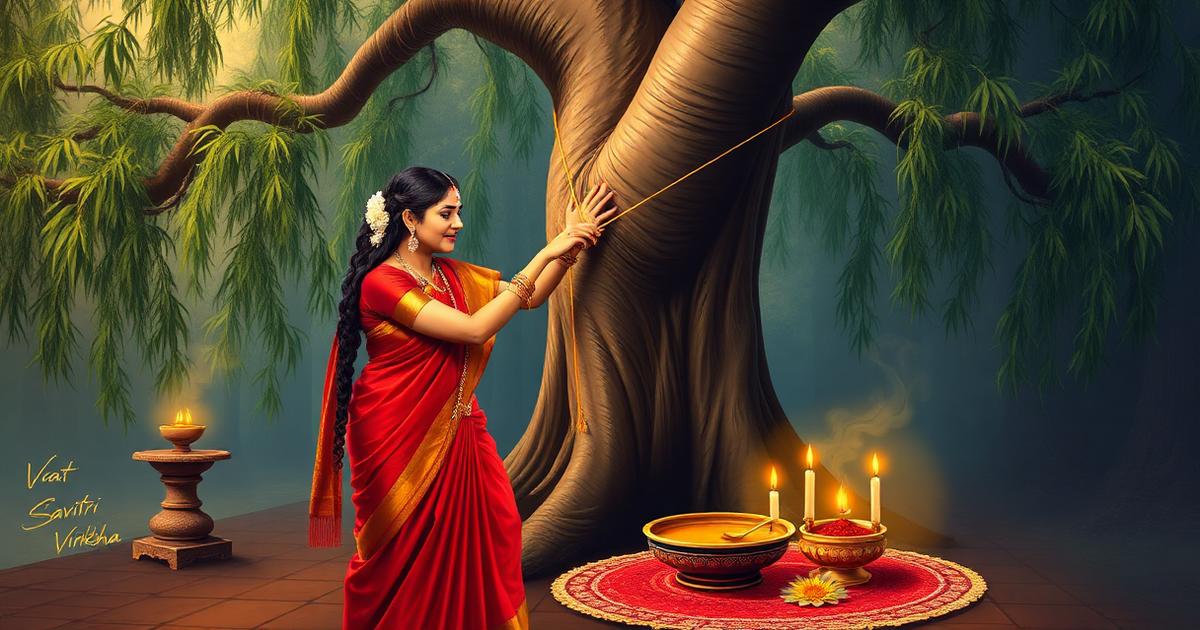
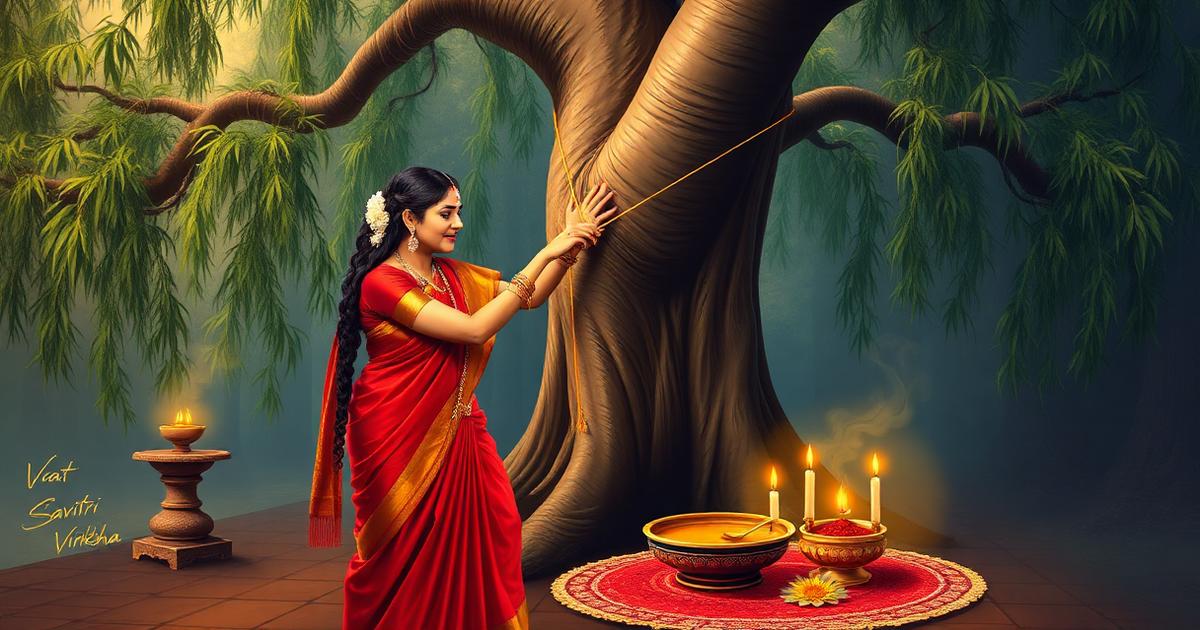
Kalava (also called Mauli, Raksha Sutra, or Kankana depending on region) is the sacred thread tied on the wrist after a puja or at the beginning of any auspicious occasion. It is usually red or red-yellow (the most traditional), occasionally yellow or red-yellow-green braided. Made of cotton or silk yarn, twisted into a thin sturdy cord about 30-45 cm long.
The 3 names:
- Kalava = the regional Hindi/Sanskrit name, most common in North India.
- Mauli = the elder name, derived from 'moli' meaning 'on top' (since the thread sits on top of the wrist).
- Raksha Sutra = the formal Sanskrit name = 'protective thread'.
All three refer to the same thing. South Indian equivalents include 'Pavithra' (Tamil) and 'Raksha Bandhanam' (broader term including Rakhi thread).
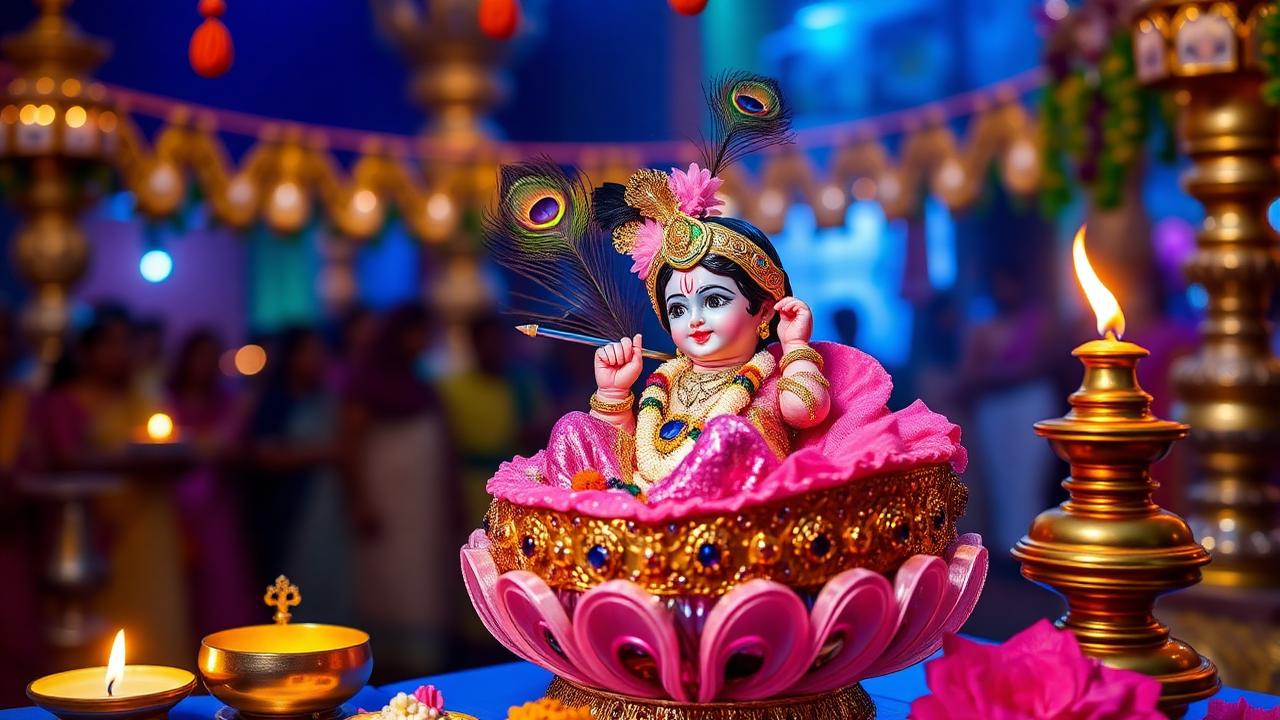
Origin story (Bali Maharaj): The most popular origin story comes from the Vishnu Purana. The demon king Bali, after being humbled by Lord Vishnu's Vamana avatar, asked Vishnu to remain in his kingdom (Patala) as his guardian. Vishnu agreed and went to live in Patala, leaving Lakshmi (his wife) waiting in Vaikuntha. Lakshmi missed Vishnu desperately.
Lakshmi disguised herself as a poor woman and went to Bali's court. She tied a simple thread on Bali's wrist (this is the first 'raksha sutra' in mythology) and said: 'Brother, I have tied this thread of protection on you - in return, please give me whatever I ask.' Bali, touched and bound by the sacred thread, agreed. Lakshmi then asked for Vishnu's return - Bali had no choice but to release Vishnu. Lakshmi succeeded.
This is why kalava is tied on the wrist of brothers by sisters during Raksha Bandhan, why priests tie it on devotees during every puja (the priest 'protects' the devotee), and why elders tie it on younger members of family during festivals (the elder 'protects' the younger).
The deeper symbolism: the thread is a physical contract of protection. The tier becomes responsible for the safety and welfare of the wearer; the wearer accepts that protection with gratitude. This is why kalava is never tied casually - it always comes with a sankalp (intention/blessing) from the tier.
Common occasions for kalava:
- Beginning of any puja - tied by the priest or family elder.
- Raksha Bandhan - tied by sister on brother's right wrist (this is the famous rakhi).
- Bhai Dooj - tied by sister.
- Weddings - tied by priest on bride, groom, and family members.
- House-warming (griha pravesh) - tied on family members.
- New business opening.
- Starting a major journey.
- Birthdays (often tied by parents on children).
- Festival days (Diwali, Holi, Navratri).
- After temple visits (some temples give kalava as prasad/blessing).
- Saraswati Puja for students (yellow kalava specifically).
- Hanuman temple visits (red kalava typical).
The Tying Rules: Wrist, Rounds, Mantra, Who Ties
Wrist (most critical rule):
- Men: RIGHT wrist always.
- Women - unmarried: LEFT wrist.
- Women - married: RIGHT wrist (some traditions use left for any age; check family practice).
- Boys and girls (under 12-15): typically follow the gender rule (boys right, girls left).
- Specifically for Raksha Bandhan: sister ties on brother's right wrist regardless of any other rule.
Number of rounds (must be ODD):
- 3 rounds = standard for daily wear and most pujas.
- 5 rounds = special pujas (Lakshmi, Saraswati, Diwali, marriages).
- 7 rounds = major occasions (yagna, kumbh-style ceremonies).
- NEVER even (2, 4, 6) - even rounds are inauspicious. Always odd.
- Some North Indian traditions tie 3 rounds for ordinary use, 7 for marriages, 21 for extreme protection (rare).
Direction: Wrap clockwise when looking at the wrist from above. This matches the cosmic direction (pradakshina direction in temples).
Mantra during tying: The standard kalava-binding mantra is:
'Yena baddho bali raja, danavendro maha balah, Tena tvaam abhibadhnami, raksha maa chala maa chala.'
Translation: 'With the same thread that was used to bind the powerful demon king Bali, I bind you. May this protection never weaken; do not waver, do not waver.'
This specifically references the Bali-Lakshmi story.
Another common mantra is the simpler: 'Om Raksha sutram bandhami, sarva siddhi pradayakam.' ('I bind the protective thread, the giver of all attainments.')
Some priests use the long Pandit mantras with specific deity names; common people can use the simpler version.
Who can tie:
- A priest (most formal context).
- An elder (parents, grandparents, uncles, aunts on younger family members).
- An equal or younger only in specific contexts (sister to brother in Raksha Bandhan).
- A spouse on each other (rare; usually done during weddings or special pujas).
- Yourself on yourself - permissible if no one else available, but considered less effective. Self-tying breaks the 'protector-protected' dynamic.
Who must not tie:
- Someone in a state of impurity (just woken up without bathing, post-funeral period, etc.).
- A menstruating woman traditionally should not tie (modern practice varies).
- A non-Hindu does not tie traditional kalava (Hindu-specific gesture, though gifting one is fine).
Preparation: The thread should be:
- Fresh (a new piece, not reused).
- Clean (handled with washed hands).
- Sacred-blessed if possible (passed through diya smoke or sprinkled with ganga jal or kept on the puja deity before tying).
- Cotton or silk (synthetic acceptable in modern times but cotton traditional).
- Red, yellow, or red-yellow (occasionally other colours for specific deities - white for funeral protection rare, yellow for Saraswati, green for prosperity in some traditions).
When and How to Remove the Kalava
The rule: don't remove it deliberately. The kalava should fall off naturally - this is when it has 'completed its protective duty'. Pulling it off intentionally is considered to break the protection prematurely.
Natural falling timeframes:
- Cotton kalava: 7-21 days typically (loosens with hand washing, sweating, normal wear).
- Silk kalava: 30-60 days (more durable).
- Some tightly tied kalavas last 90+ days.
- The tighter you tie initially, the longer it lasts. Most priests tie moderately tight - tight enough to feel snug, loose enough to allow natural shedding within 2-3 weeks.
When natural shedding is OK:
- It falls off in the bath or while washing hands. Don't fish it out from the drain - let it go.
- It comes off in your sleep. Find it on the bed/floor and dispose properly (see below).
- It snaps during normal wear. Remove the remnant, dispose properly.
When you can manually remove:
- Tuesday or Saturday (the most auspicious days for kalava removal).
- The day before a new kalava-tying ceremony (so a fresh one replaces the old).
- Before a major religious bath (Ganga snan, kumbh, etc.) - the old kalava is offered with the bath.
- Before surgery or medical procedure where it must come off.
- If it becomes very dirty or starts smelling - hygiene overrides tradition.
When to NOT remove manually:
- During Diwali week or major festival period - the kalava is at its most active.
- On Sundays or other inauspicious-for-removal days (Sunday for some traditions; check family practice).
- During menstruation (some traditions say wait until cycle ends).
- Within 30 days of receiving it (allow the protection to mature).
How to dispose of removed kalava (very important):
- NEVER throw in regular trash. The kalava has been blessed - regular trash disposal is disrespectful.
- Best option: Immerse in a flowing water source (river, stream, ocean). The kalava 'returns' to nature.
- Second-best: Bury at the root of a sacred tree (peepal, banyan, neem) or a clean tree in your area. The kalava decomposes into the earth respectfully.
- Third option: Place in a flowing water tank or a clean garden pot if you have no other access. Cover with a little soil.
- In emergency: Place in a clean spot in nature (grass area, base of a tree) and let it decompose.
- Modern compromise: Some people collect old kalavas over months and dispose of them all at once on a Tuesday or Saturday at a sacred site or local river.
Replacing the kalava:
- The next kalava-tying opportunity (another puja, festival, temple visit) is when you receive a new one.
- Don't 'self-tie' a new one as routine - wait for an appropriate occasion or a priest/elder.
- Some Hindus maintain a continuous kalava throughout life by getting a new one tied at every major puja - the old one falls naturally, the new one is tied within days.
Children and kalava:
- Children's kalavas often need adult monitoring - the thread can get caught in toys, hair, etc.
- If a child's kalava breaks early, retie at the next opportunity (within a few days).
- For very young children (under 2), some parents tie kalava on the ankle instead of wrist - less likely to get pulled off.
During illness or hospital:
- If hospitalised, you may need to remove the kalava for procedures. Do so respectfully, store in a clean cloth bag, and retie after the procedure (or get a priest to tie a new one).
- The kalava is protective during illness - don't view its temporary removal as 'losing protection'. The intent and prayer continue.
The Science + Common Mistakes
The science (wrist acupressure activation):
The wrist contains several major acupressure points. The kalava sits at the area where:
- The radial pulse point (3 cm above the base of the thumb) - heart-related point.
- The Heart 7 acupressure point (inside wrist crease, pinky side) - mental calm + sleep regulation.
- The Pericardium 6 point (3 finger-widths above the inside wrist) - anti-anxiety + anti-nausea.
A thread tied around the wrist with moderate pressure provides continuous gentle stimulation to these points. Over the 7-21 days it stays on, the cumulative micro-stimulation has measurable physiological effects:
- Lower resting heart rate (small effect).
- Better sleep onset (mild effect).
- Reduced baseline anxiety.
- Improved circulation to fingertips.
Multiple studies (including small studies at Banaras Hindu University and AIIMS Delhi) have documented physiological differences in wrist-circumference acupressure points among kalava wearers vs non-wearers. The effect is small but consistent.
The colour also matters: red wavelength is the most stimulating to skin nerves; yellow is calming. The red-yellow combination provides both stimulation and calming - traditional textiles understand colour therapy intuitively.
The twisted-cord structure: the slight roughness of twisted cotton continuously stimulates the wrist skin in micro-amounts that smooth synthetic threads don't replicate. This is why traditional twisted cotton/silk kalava is preferred over modern smooth synthetic 'religious thread'.
Common mistakes:
1. Even number of rounds. Tying 4 rounds because you can't remember 3 vs 5 - just default to 3 if uncertain. Even is inauspicious.
2. Wrong wrist (gender). Men should use right, women left (unmarried) or right (married). Mistakes commonly happen when foreigners or non-traditional families tie. Easy to remember: men right, unmarried women left, then married women shift to right.
3. Removing immediately. Some people get a kalava at a temple, then remove it that evening because it 'looks odd' with formal clothing. This wastes the entire blessing. If you can't wear it openly, slide a long-sleeved shirt over it and let it stay.
4. Disposing in trash. This is the biggest disrespect. Multiple modern Hindus do this carelessly. Train family members: kalava goes in flowing water or under a tree, never in trash.
5. Letting it get dirty without removal. A kalava that has become very black with sweat/dirt is no longer 'pure' - remove and dispose properly, then get a new one. Hygiene isn't a sin in this tradition.
6. Tying yourself when you have access to a priest/elder. Self-tying is the lowest tier of effectiveness. If you're going to a temple anyway, get the kalava tied by the priest there.
7. Mixing kalavas. Wearing 3 kalavas because you visited 3 different temples in a week - the result is just visual clutter. One kalava at a time is the rule. New tying replaces the previous (the previous should be removed if still there).
8. Using synthetic plastic 'religious threads.' Some shops sell mass-produced plastic-coated synthetic thread as kalava. These don't decompose, look cheap, and don't carry the same energetic value. Stick to traditional cotton or silk.
9. Wearing kalava during impure activities. When entering bathroom/toilet, some traditions say cover it with shirt sleeve. The protective thread shouldn't be exposed to purely impure environments.
10. Not tying on children regularly. Children benefit MOST from kalava protection (they're considered most vulnerable to nazar and negative energy). Many modern urban Hindu parents skip this. Re-introduce the practice - tie a fresh kalava on your child at every puja or temple visit.
The broader principle: kalava is one of those small daily Hindu practices that costs nothing, takes 30 seconds to tie, and provides genuine protective + acupressure benefit. Skipping it because it 'seems superstitious' loses a real benefit. Most westerners who try wearing one for a month notice tangible mood improvement and better sleep. The science is real even if subtle.
Common Questions From Devotees
Can I get a kalava tied at any Hindu temple I visit?+
Yes - most Hindu temples have priests who tie kalava as part of the darshan or special puja experience. You usually request it (some give automatically; others on request), and a small offering (10-50 rupees in most temples; more at famous shrines) is appreciated. Some temples specialise in kalava - Hanuman temples (red kalava for protection), Saraswati temples (yellow for students), Lakshmi temples (red-yellow for prosperity). After major pilgrimages (Tirupati, Vaishno Devi, Jagannath Puri), the kalava becomes a marker that you've done that yatra.
Is it OK to wear kalava while swimming or playing sports?+
Yes - the kalava is meant to be worn during normal life activities including sports and exercise. It is water-safe (the colour may fade slightly but the thread holds). Swimming, gym, running, yoga - all fine with kalava on. The only consideration: for contact sports (boxing, MMA, wrestling), it might snap during a match - if so, dispose respectfully and retie at next puja. For competitive cricket or football, no issue at all.
What if the kalava is making my wrist itch or develop a rash?+
Remove it immediately - this is a hygiene/allergy issue, not a religious one. The cause is usually: sensitivity to the dye, the thread became too dirty, or the colour-fixing chemicals in cheaper kalavas. Solution: get a kalava from a reputed temple (better quality cotton/silk, natural dyes), or use plain natural-undyed cotton thread blessed in your home puja, or tie it on the ankle instead. Don't tolerate skin irritation - that's not what the kalava is meant to do.
Can non-Hindus wear or receive a kalava?+
Yes - kalava is not religion-restricted. Anyone who attends a Hindu wedding, visits a Hindu temple as a guest, or does a Hindu puja with friends typically receives a kalava. The protection and blessing apply regardless of the recipient's religion. Many foreign tourists in India receive kalava and wear it proudly for months. Indian Christians, Muslims, Sikhs often receive kalava at Hindu weddings or during Diwali visits and wear it as a gesture of friendship. There's no religious conflict in wearing.
About the author
Pandit Mahesh Trivedi · Festival Traditions & Panchang
Pandit Mahesh leads the festival-date and Panchang content on Vandnaa. He cross-references multiple regional panchangs (Drik, Vaishnava, Bengali, Marathi) for every festival date published on the site.
Meet the Vandnaa editorial team →