The Virgin Goddess of Kanyakumari
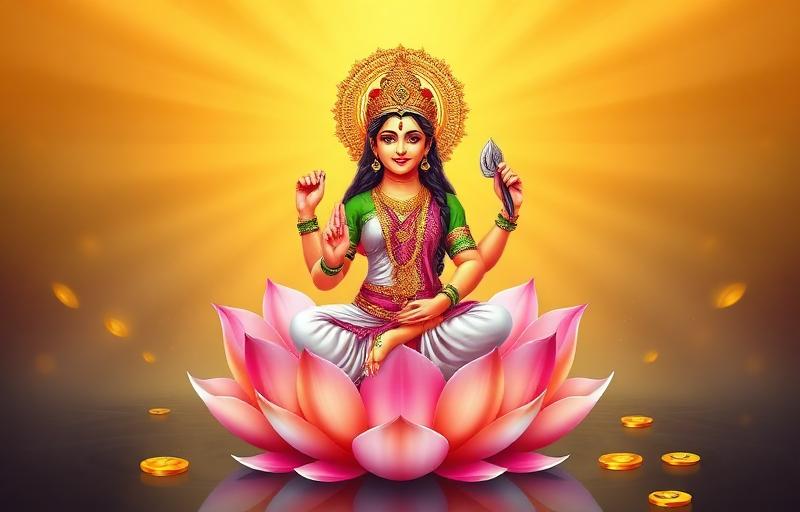
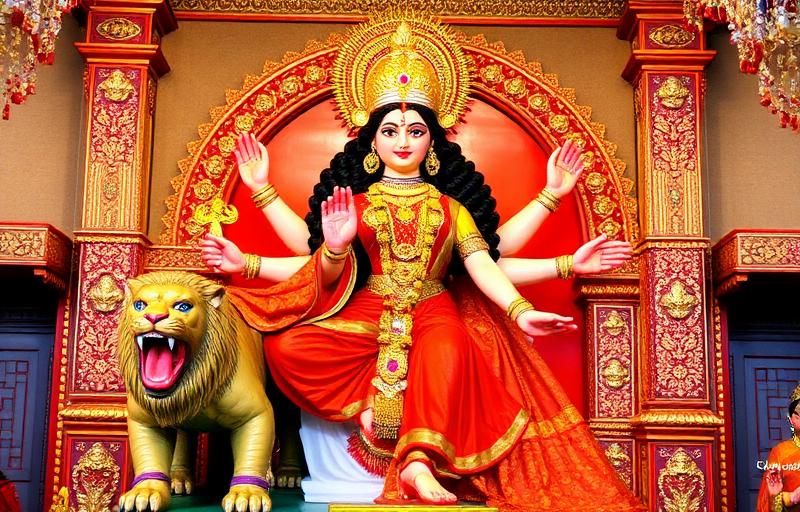
At the very southern tip of mainland India, where the Arabian Sea, the Bay of Bengal and the Indian Ocean meet, stands the Kanyakumari Bhagavathy Temple. Here the Devi is worshipped as Kanyakumari, the eternal virgin goddess, a radiant and powerful form of Devi Parvati herself.
The temple faces the vast waters where the three seas mingle, and devotees regard its location at land's end as symbolic, the Devi standing as an eternal guardian at the very edge of the sacred land of Bharat.
The Katha of the Eternal Virgin
According to tradition, a powerful asura named Banasura had received a boon that he could only be defeated by a virgin goddess. To fulfil this destiny, Devi Parvati took birth and performed intense tapasya at this southern shore, awaiting union with Lord Shiva, for it was foretold that their marriage would be the very moment of her power.
The wedding was arranged for an auspicious midnight hour, but sage Narada, knowing that the Devi needed to remain in her virgin, unmarried form to defeat Banasura, caused the sacred hour to pass unnoticed through a divine sign. The marriage never took place, and Devi Kanyakumari, remaining eternally a maiden, went on to defeat Banasura and restore peace, becoming forever revered as the virgin goddess of this sacred shore.
Significance and What Devotees Pray For
Some traditions count Kanyakumari among the Shakti Peethas of India, a place of deep sanctity where devotees believe the Devi's power resides in her purest, most independent form. Devotees pray here for strength, protection and the courage to remain steadfast in one's own path, drawing inspiration from Devi Kanyakumari's own unwavering resolve.
As local legend holds, the Devi's nose ornament once shone so brightly that it could be seen glimmering far out at sea, a story devotees cherish as a symbol of her radiant, ever watchful presence over the waters and all who cross them.
Darshan Guide: Timings and Festivals
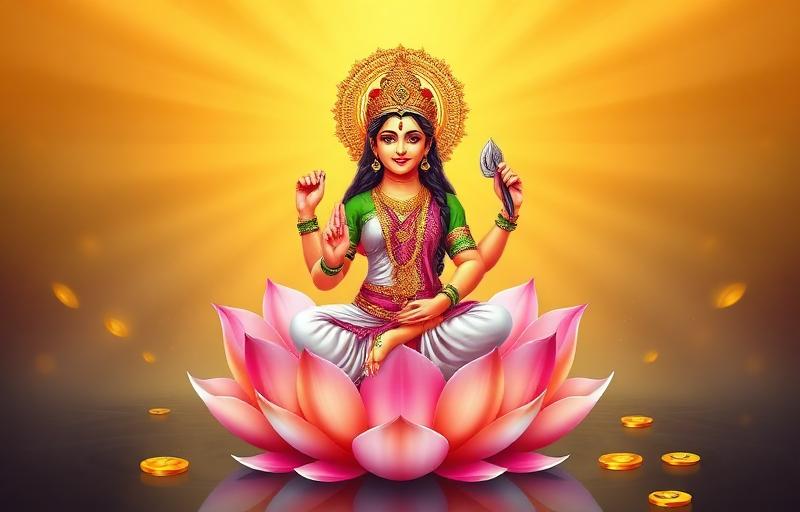
The temple follows its own traditional customs regarding dress and entry, which devotees are asked to respectfully follow, alongside a daily schedule of morning and evening aarti. It is best to confirm exact timings locally before visiting.
Navratri is celebrated here with great devotion, and the nearby Vivekananda Rock Memorial draws pilgrims who combine their darshan of the Devi with a visit to witness the sunrise and sunset over the meeting of the three seas.
How to Reach Kanyakumari
Kanyakumari is located at the southern tip of Tamil Nadu, well connected by road and rail. The Kanyakumari railway station serves the town directly, connecting it to major cities across India.
The nearest airport is Thiruvananthapuram International Airport in neighbouring Kerala, from where devotees can travel by road to reach Kanyakumari.
Mantra to Chant and Takeaway
Devotees chant Om Kanyakumaryai Namah (salutations to the virgin goddess Kanyakumari) while offering prayers facing the waters where the three seas meet.
The katha of Kanyakumari teaches that strength and independence are themselves sacred, and that the Devi's power needed no partner to defeat evil. A visit to this land's end shrine, like every Shakti Peeth, is an act of faith and love, not a transaction.
Quick Answers
Why is Devi Kanyakumari worshipped as an eternal virgin?+
According to tradition, Devi Kanyakumari's wedding to Lord Shiva was interrupted by sage Narada so that she could remain in her virgin form and defeat the asura Banasura, who could only be slain by a virgin goddess.
Where is Kanyakumari Bhagavathy Temple located?+
The temple stands at the very southern tip of mainland India, in Tamil Nadu, where the Arabian Sea, the Bay of Bengal and the Indian Ocean meet.
What is the significance of the temple's coastal location?+
Devotees regard the temple's position at land's end as symbolic of the Devi standing as an eternal, watchful guardian over the sacred land of Bharat and all who cross its waters.
About the author
Pandit Ravindra Sharma · Vedic Rituals & Bhakti, 22+ years
Pandit Ravindra is the Vandnaa editorial team's resident specialist on aarti, chalisa, and daily devotion. He has performed home and temple pujas across Varanasi and Delhi for over two decades and contributes the bhakti-focused articles on this site.
Meet the Vandnaa editorial team →