What Is Karma
Karma literally means action - every thought, word and deed we perform. The law of karma teaches that each action leaves an impression and sets in motion a matching result, in this life or another. It is not blind fate or punishment but a perfectly just, natural law - as we sow, so shall we reap. Understanding karma replaces helplessness with responsibility, because the future is shaped by the choices we make in the present moment.
Sanchit Karma - Accumulated Actions
Sanchit karma is the vast storehouse of all karma accumulated across countless past lifetimes that has not yet borne fruit. It is like a granary holding all the seeds of past actions, both good and bad, waiting for the right time and conditions to ripen. No single lifetime is long enough to exhaust this store, which is why the soul takes repeated births. Spiritual practice and grace are said to gradually burn away this accumulated karma.
Prarabdha Karma - Destiny of This Life
Prarabdha karma is the portion of sanchit karma that has 'begun to fructify' and shapes the circumstances of your present life - the family you were born into, your body, and many of the joys and sorrows you meet. It is often compared to an arrow already released from the bow: it must run its course. Wise teachers advise accepting prarabdha with equanimity, neither resisting nor blaming, while using each situation as an opportunity for growth and devotion.
Kriyaman Karma - Present Actions
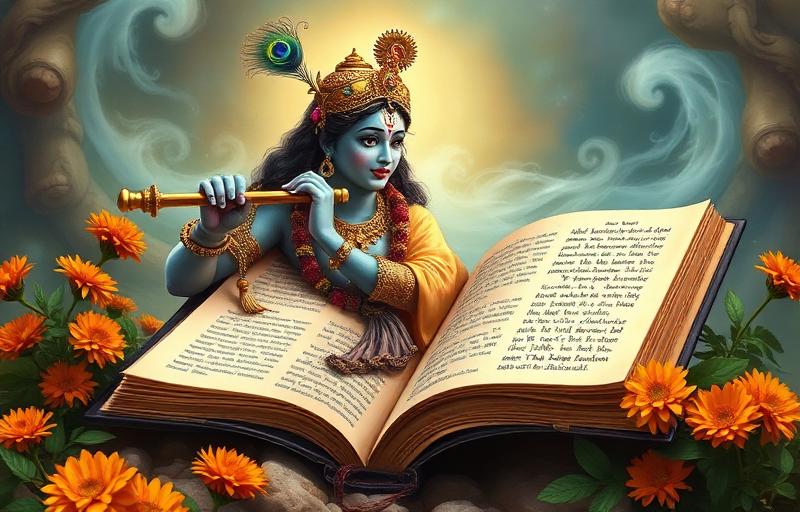
Kriyaman karma (also called agami karma) is the karma we are creating right now through our present choices and actions. This is where free will truly lives - while prarabdha is fixed, the actions of today are entirely in our hands. Some kriyaman karma gives immediate results, while the rest is added to the sanchit store for the future. Because we shape our destiny here, conscious, righteous action in the present is the key to a better tomorrow.
What the Bhagavad Gita Teaches
The Bhagavad Gita offers the highest teaching on karma through karma yoga - the path of selfless action. Lord Krishna advises: act with full devotion to your duty, but surrender attachment to the results. When action is offered to the divine without craving for reward, it stops creating new binding karma and becomes a means of liberation. This is nishkama karma - desireless action - which purifies the heart while one continues to live and work in the world.
How to Lighten and Transcend Karma
Karma is not a prison - it can be lightened and ultimately transcended. Sincere selfless service, devotion (bhakti), japa, meditation and the grace of a true guru are traditionally said to soften the weight of past karma. Accepting prarabdha calmly, while choosing good kriyaman actions and offering them to the divine, gradually empties the sanchit store. The goal is not merely good karma but freedom from the cycle altogether, through self-knowledge and surrender.
Frequently Asked Questions
What are the three types of karma?+
The three types are sanchit (the accumulated store of all past karma), prarabdha (the portion now bearing fruit as this life's circumstances), and kriyaman or agami (the karma we create through present actions).
What is the difference between prarabdha and kriyaman karma?+
Prarabdha is the fixed karma already shaping this life, like an arrow released from the bow. Kriyaman is the karma we create right now through free will - the actions of today that we can still choose.
Can we change our karma?+
Prarabdha must largely run its course, but kriyaman karma is fully in our hands today. Through good actions, devotion, service and grace, we can shape the future and gradually lighten our accumulated karma.
Is karma the same as fate?+
No. Fate suggests no control, but karma includes free will. Prarabdha resembles fate as it is already set, yet our present kriyaman actions continually create new karma and shape what is to come.
What does the Bhagavad Gita say about karma?+
The Gita teaches karma yoga - act with full devotion to your duty but renounce attachment to results. Such desireless action offered to the divine stops binding the soul and becomes a path to liberation.
How can spiritual practice reduce bad karma?+
Selfless service, japa, meditation, devotion and the grace of a true guru are traditionally believed to soften the weight of past karma, purify the heart and gradually free the soul from the cycle of action.
About the author
Anjali Mehta · Editor, M.A. Religious Studies
Anjali is the managing editor for Vandnaa and oversees the festival and vrat coverage. She holds an M.A. in Religious Studies and reviews every published article for accuracy, accessibility, and tradition-fidelity.
Meet the Vandnaa editorial team →Explore on Vandnaa
Related Articles

Dharma - Meaning & Significance in Hinduism
9 min read
Bhagavad Gita - All 18 Chapters Summary & Key Teachings
10 min read
How to Start Your Spiritual Journey - Beginners Guide
9 min read
Types of Meditation (Dhyana) - Techniques Guide
10 min read
Dashavatar - 10 Avatars of Lord Vishnu: Names, Order, Meaning, Significance
11 min read
Sattvic, Rajasic & Tamasic Food (3 Gunas Diet)
9 min read