What Is Grama Devate?
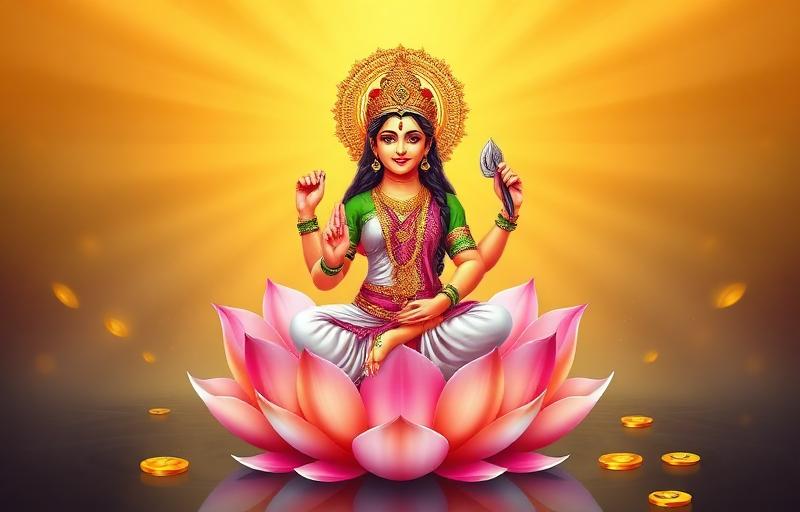
Grama Devate refers to the tradition of village deity worship found across Karnataka, where nearly every village honours its own guardian deity, most often a goddess, believed to protect the settlement, its people, its livestock and its harvest. This worship exists alongside, and is considered complementary to, devotion offered to major pan-India deities in larger temples.
For villagers, the Grama Devate is rarely a distant or occasional presence; she is understood as intimately involved in the day-to-day wellbeing of the community she watches over.
Common Forms and Names
Across Karnataka, this tradition takes many names and forms, Mariamma, Durgamma, Banashankari, Huligemma and Mailar Linga among the most widely recognised, each cherished within her own region while sharing a broadly similar devotional role. Some village deities are gentle, motherly presences, while others, worshipped in a fiercer aspect, are approached with rituals aimed at appeasing and channelling their formidable energy for the community's benefit.
Despite the variety of names, the underlying devotional relationship, a guardian trusted with the safety of an entire community, remains remarkably consistent.
The Village Boundary and Protection
Shrines to the Grama Devate are traditionally positioned at the edge of the settlement, a placement rooted in the belief that the goddess stands guard at the threshold between the community and whatever lies beyond it. This boundary role connects her worship closely to the agricultural rhythms of village life, protection of the fields, the wellbeing of livestock, and safety from disease during vulnerable seasons.
Many villagers make it a habit to seek her blessing before undertaking anything significant, from sowing a new crop to setting out on a journey.
Jatre: The Village Fair
The annual jatre dedicated to the Grama Devate is often the single largest community event of the village calendar, bringing together residents, extended family visiting from cities, and devotees from neighbouring villages. Processions carrying the deity's symbol, folk music, theatre and communal feasting mark these days, with the entire village typically pausing its ordinary routine to take part.
For many families with roots in a particular village, returning for the jatre is treated as a near-obligatory act of belonging, regardless of how far they now live.
A Tradition for Every Household
One of the striking features of Grama Devate worship is how broadly it is shared across the community, participation is not limited by caste or class in the way some formal temple rituals historically were, and the festival's rituals, processions and feast are generally open to the whole village. Local priests, often from within the community rather than from a formal Brahminical lineage, conduct much of the worship, reinforcing this sense of shared ownership.
This inclusive character has helped Grama Devate worship remain vibrant even as village life itself has changed considerably over the generations.
The Takeaway for Today's Devotee
Grama Devate worship teaches that devotion is layered, a family may travel across the country to a great temple, yet still return home each year to honour the deity who has watched over their own village for generations.
For devotees, this tradition is a reminder that faith need not choose between the grand and the local; both can be held with equal sincerity.
Common Questions From Devotees
What does Grama Devate mean?+
Grama Devate refers to the village deity worship tradition found across Karnataka, where each village honours its own guardian deity, most often a protective goddess.
What are some well-known Grama Devate forms?+
Widely recognised forms include Mariamma, Durgamma, Banashankari, Huligemma and Mailar Linga, each cherished within her own region.
Is Grama Devate worship open to everyone in the village?+
Yes, participation in the festivals and rituals is generally open to the whole community, reflecting the tradition's inclusive character.
About the author
Pandit Ravindra Sharma · Vedic Rituals & Bhakti, 22+ years
Pandit Ravindra is the Vandnaa editorial team's resident specialist on aarti, chalisa, and daily devotion. He has performed home and temple pujas across Varanasi and Delhi for over two decades and contributes the bhakti-focused articles on this site.
Meet the Vandnaa editorial team →