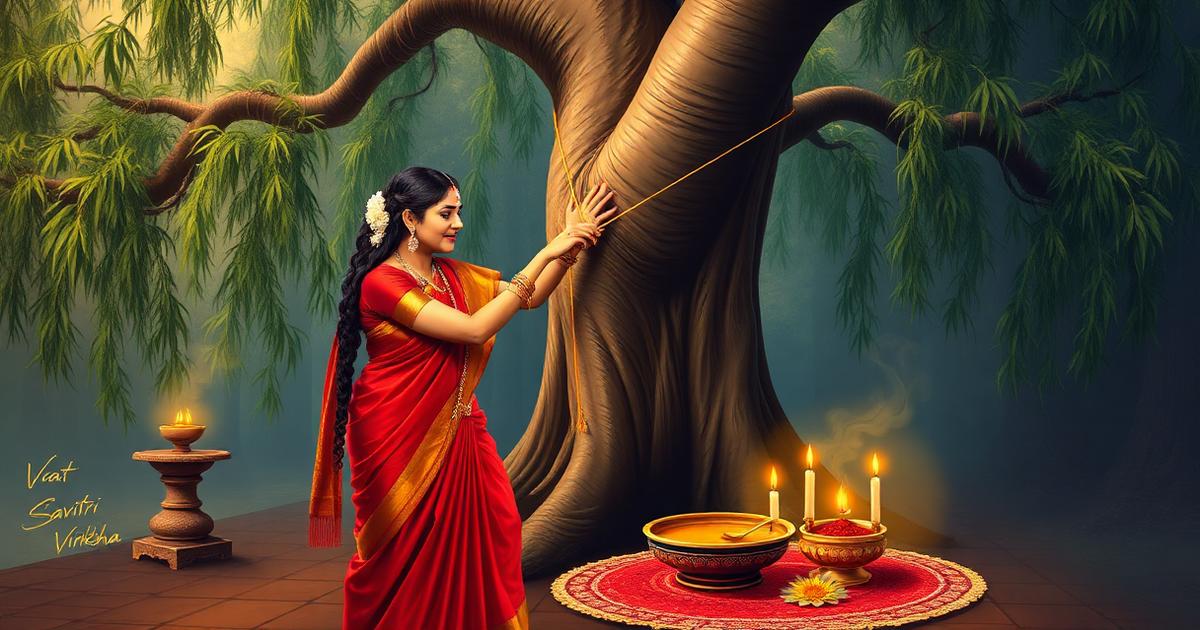
Why Karwa Chauth Is the Ultimate Test of a Wife's Devotion
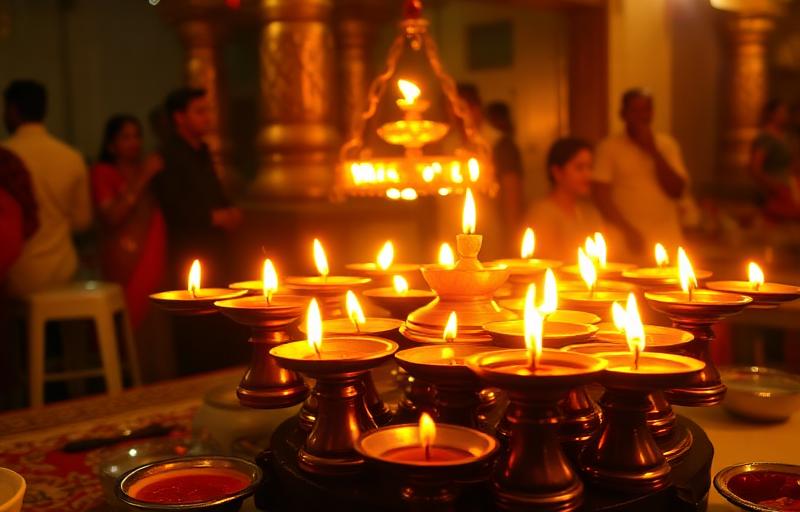
Across North India, one full moon turns every market red with bangles and every rooftop full of women with a sieve in hand. That is Karwa Chauth.
The vrat is named after Karwa - a small clay pot with a spout, symbolic of giving and protection - and Chauth meaning the fourth day (Chaturthi) of Krishna Paksha in Kartik month.
Karwa Chauth 2026 falls on Friday, 30 October 2026.
- Chaturthi Tithi Begins: 6:40 PM, 29 October 2026
- Chaturthi Tithi Ends: 8:15 PM, 30 October 2026
- Main Puja Muhurat: 5:36 PM – 6:54 PM (30 October)
- Moonrise Timing (varies by city - see next section)
The vrat is nirjala - no water, no food - from sunrise until moonrise. The moment of moonrise is sacred: the wife views the moon through a decorated sieve (chalni), then turns to view her husband's face through the same chalni, and only then accepts water and food from his hand.
The Mahabharata records that Draupadi observed Karwa Chauth when Arjuna was in danger. Goddess Parvati once observed it for Lord Shiva. Every queen, every sage's wife, every ordinary woman across centuries has kept this vrat. The belief: as long as the wife's fast is unbroken, no harm can come to her husband.
In this guide: city-wise moon timings, step-by-step vidhi, the full Karwa-Veerwati katha, and the 7 rules that decide the vrat's strength.
🙏 Never miss moonrise - set a city-specific Karwa Chauth reminder in the Vandnaa App.
City-Wise Moon Timing for 30 October 2026
Moonrise varies by city - East Indian cities see the moon first, West Indian cities last. Do not break the fast before your local moonrise.
🌙 Major Indian Cities - Moonrise on 30 October 2026:
- Kolkata: 7:38 PM
- Patna: 7:45 PM
- Varanasi: 7:52 PM
- Lucknow: 7:58 PM
- Delhi / NCR: 8:12 PM
- Chandigarh: 8:14 PM
- Jaipur: 8:15 PM
- Indore: 8:18 PM
- Bhopal: 8:20 PM
- Hyderabad: 8:20 PM
- Bangalore: 8:21 PM
- Mumbai: 8:36 PM
- Pune: 8:37 PM
- Ahmedabad: 8:38 PM
- Surat: 8:40 PM
🌍 Karwa Chauth Abroad:
- Dubai: 6:52 PM (local)
- London: 4:55 PM (local)
- New York: 6:42 PM (local)
- Toronto: 6:38 PM (local)
- Singapore: 8:04 PM (local)
- Sydney: 7:18 PM (local)
Important Rules:
- Break the fast only after you personally see the moon. Not based on a clock. If clouds hide the moon, wait.
- If moon does not appear due to heavy clouds, accept the tithi end (8:15 PM India) as the time to break - with permission from an elder suhagin.
- Pregnant women or those with health issues should consult family and may break fast at moon tithi end even without sighting.
Remember: the soul of the vrat is not the hour of moonrise - it is the wife's focused prayer for her husband's long life held through the day.
Complete Karwa Chauth Vidhi + The Veerwati Katha
Sargi (pre-dawn meal from mother-in-law): Between 3:30 AM – 4:30 AM (before sunrise), the vrati eats the sargi - a special meal prepared by the saas (mother-in-law). It contains dry fruits, fenia, mathri, fruits, mithai, and coconut. Sargi is eaten in silence with prayer. After the last bite, the nirjala fast begins.
Day (sunrise to sunset): Dress in red or yellow saree/lehenga with complete 16 shringaar - sindoor, bindi, kajal, mangalsutra, chura/bangles, mehendi, nose ring, earrings, anklet, toe rings, necklace, bracelet, hair pin, gajra, pallu tilak, and red lipstick.
Afternoon group puja (4:00 – 5:30 PM): Suhagins gather at a senior lady's home. Thali includes: karwa (clay pot), diya, roli, chandan, akshat, flowers, sieve, a small bowl of water, mithai, matthi, and the katha book. The Karwa Chauth katha is read aloud while all sit in a circle and pass their thalis clockwise 7 times (feras).
The Veerwati Katha (must be heard): In ancient times lived a princess Veerwati, the only sister of 7 brothers. After marriage she kept Karwa Chauth. By evening she grew so weak her brothers couldn't bear to see her. They lit a lantern behind a peepal tree and told her - 'The moon has risen.' Veerwati, trusting her brothers, broke her fast.
At that very moment, news arrived: her husband had fallen ill. She rushed to his palace, found him dead, and began weeping holding his body. Goddess Indrani appeared and explained - 'Because you broke the fast before real moonrise, your husband lost his life.'
Veerwati wept, promised never to break a Karwa Chauth again, and prayed. Indrani taught her the correct Karwa Chauth vidhi. Veerwati waited 12 months and kept the next Karwa Chauth flawlessly. At the real moonrise, her dead husband breathed again - revived by the power of the correct vrat.
Moonrise - Paran (break of fast): After moon sighting, view the moon through the chalni/sieve. Offer water (arghya) chanting 'ॐ सोमाय नमः'. Then turn the chalni to view your husband. He feeds you the first sip of water from his hand, then the first bite of mithai. The vrat is complete.
Touch his feet; he blesses you with a gift (traditional - sari, jewellery, or cash).
Sargi: The Pre-Dawn Meal That Powers the 13-Hour Karwa Chauth Fast
Sargi is the sacred pre-dawn meal given by a mother-in-law (saas) to her daughter-in-law (bahu) before the Karwa Chauth fast begins. The ritual window: between 4:00 AM and sunrise. Not a single morsel or drop of water is consumed after sargi until the moon is sighted.
Why Sargi Matters:
Sargi is a gesture of love and blessing from the woman who is "adopting" her son's wife into the family. The saas prepares it and sends or serves it - even if they live in separate cities, a gift delivery is arranged. The mother-in-law is essentially saying: "I will sustain you through this fast for my son's long life."
First-time brides whose saas has passed away or who are not in touch with their mother-in-law can receive sargi from a close elder female relative, or prepare their own sargi. The sentiment matters more than the source.
What Goes in Sargi:
Traditional Sargi includes 8 items - one for each part of the body (the 8 limbs in a salutation, saashtanga pranam):
1. Fenugreek seeds (methi) - soothes hunger pangs during the day; improves blood sugar stability during fasting 2. Dry fruits - almonds, cashews, raisins, figs (energy-dense foods for the long day) 3. Makhana (fox nuts / lotus seeds) - light on stomach, satiating, considered auspicious 4. Mathri or namkeen snacks - savoury fried snacks to balance sweet items 5. Fruits - preferably banana (potassium for sustained energy) and apple 6. Kadha or herbal tea - ginger-honey-tulsi brew; the last hot beverage before the fast 7. Coconut - pieces or whole; Karwa Chauth's connection to Lord Shiva (who loves coconut) 8. Sweets - traditionally sewain (vermicelli) in milk, or mathri with jaggery. Not heavily sweet; the intention is nourishment.
A Nutritionist's View on Karwa Chauth Sargi:
Given that the fast lasts 13–16 hours (sunrise to moonrise), sargi should ideally include:
- Complex carbohydrates (makhana, dry fruits, banana) for slow energy release
- Protein (dry fruits, especially almonds) to reduce hunger
- Avoid: heavy fried foods or excessive salt (causes thirst during the no-water fast)
- Hydrate maximally just before the last water - drink 2 glasses of water with the sargi
For New Brides in 2026 (First Karwa Chauth):
First Karwa Chauth is emotionally the most significant. If your mother-in-law is sending you a sargi hamper, you should ideally eat from it with gratitude and her blessing. If you're nuclear and self-sourcing sargi, involve your husband in its preparation - make it a shared ritual.
Vandnaa App's Karwa Chauth countdown gives you the exact sargi window (city-wise) and sends a reminder at 3:45 AM so you don't oversleep and miss the sargi time.
Complete Karwa Chauth Puja Kit & Moon Sighting Guide 2026
The Karwa Chauth puja happens in two parts: the sandhya (evening group puja) and the moonrise sighting. Both have specific requirements.
The Karwa Chauth Puja Kit (What to Gather):
1. Karwa (the clay pot): Small clay pot with a lid. This is the central object - "Karwa" means a specific type of small pot with a spout. Fill it with water. You can also use a copper lota. 2. Thali (puja plate): Decorated with flowers, kumkum, akshat (unbroken rice grains), diyas 3. Chalni (sieve): A kitchen sieve (chalni) for looking at the moon and husband through its holes - a folk tradition symbolising filtering away obstacles 4. Sindoor and kajal: For post-fast application when puja completes 5. 7 types of grains (sapta-dhanya): Wheat, rice, urad, mung, chickpea, sesame, jaggery - a pinch of each in the karwa 6. Red dupatta or chunni: For covering the head during puja 7. Gangajal: A small vessel of Gangajal to sprinkle 8. Diya and match: At least 3 diyas 9. Flowers: Marigold and red roses 10. Karwa Chauth vrat katha book: Or downloaded from the Vandnaa App
The Group Puja (5:30–7:00 PM):
Traditionally, women gather in a circle and pass the puja thali clockwise while the eldest (or a pandit) reads the Karwa Chauth Vrat Katha. The thali is passed 7 times (one round for each phera of marriage) with each woman saying a prayer for the other's husband.
Solo Puja if Group Is Not Possible:
Sit facing the Moon direction (generally East or North-East). Perform the katha reading yourself. Keep a picture of your husband in front of you. The intention and sincerity matter more than the group.
The Moon Sighting (Moonrise 2026: 8:09–9:45 PM depending on city):
1. Go outside with your thali, chalni, diya, and karwa of water 2. Spot the moon and look at it through the chalni's holes 3. Transfer gaze to husband: Look at your husband's face through the chalni (folk tradition - filters away bad luck) 4. Husband feeds wife: The husband gives the first sip of water and first morsel of food to end the fast. He offers from the karwa's spout. 5. Apply sindoor (husband applies to wife's maang if family tradition) 6. Both bow and pray together for a long life and happy marriage
City-wise 2026 Moonrise Timings:
- Delhi: 8:09 PM
- Mumbai: 8:45 PM
- Bengaluru: 8:51 PM
- Kolkata: 7:38 PM
- Jaipur: 8:14 PM
- Chandigarh: 8:12 PM
Vandnaa App provides exact moonrise times for 200+ Indian cities and international cities for Karwa Chauth 2026, with a live countdown.
Karwa Chauth for Modern Couples: Traditions That Evolve, Meanings That Endure
Karwa Chauth is the most debated Hindu festival in urban India today - with spirited arguments about gender equality, mutual fasting, and the meaning of sacrifice. Here is a thoughtful take.
The Original Intention:
Karwa Chauth was created in a historical context where women had no independent financial or social security. Their entire wellbeing depended on the health and life of their husband. Praying for his long life was literally praying for their own survival and that of their children. This was not oppression - it was devotion as the only available form of agency.
What Has Changed:
Today, many wives are equal or higher earners. The "dependence" has shifted. But the prayer remains beautiful because it encapsulates something that doesn't change: the deep human desire to say "your life matters to me above my comfort."
How Modern Couples Adapt:
1. Husbands fasting too: Many husbands now observe the fast with their wives - not by tradition but by choice. This is widely celebrated as the most romantic expression. The moon sighting together as two fasting people has its own emotional power.
2. Making it mutual: Some couples agree that the wife fasts for the husband AND the husband performs some act of service or sacrifice that day - cooking the evening meal, handling all domestic work, or giving up something he enjoys.
3. The symbolism over the strictness: For working women, the no-water fast may be medically difficult. Many modern couples agree to a modified fast (water is allowed, one fruit meal) while maintaining the core ritual: the puja, the katha, the moon sighting, and the husband giving the first morsel.
What Should Never Be Compromised:
- The sincerity of the prayer: "May my husband live a long, healthy, happy life"
- The puja and katha reading
- The moon sighting and the first water given by the husband
- The emotional meaning of "I did this hard thing today because I love you"
For Long-Distance Couples:
Video call at moonrise. The husband on video shows his face through the chalni. The husband pre-sends a small gift or arranges for food delivery for the first post-fast meal. Distance doesn't break Karwa Chauth - it intensifies its emotional resonance.
For Working Women:
If you're in a meeting or travel when moonrise happens, the sighting can happen up to an hour after moonrise - what matters is that you sight the actual moon, not a photo of it. Pre-arrange with your husband: he knows your city's moonrise time and keeps the food ready.
Vandnaa App's Karwa Chauth Countdown and moon tracker make it easy for couples to coordinate - even across time zones - for the most important moment of the day.
The Veerwati Katha: The Story Behind Karwa Chauth and Its Hidden Message

The Veerwati Katha is the central legend of Karwa Chauth. It is the story that must be heard on the day of the fast - and its meaning is far deeper than a cautionary tale about ritual strictness.
The Katha:
Once there was a princess named Veerwati. On her first Karwa Chauth after marriage, she was visiting her parents' home. She was frail and found the daylong fast unbearable. As the moon had not yet risen, her seven brothers were overcome with love for their sister and could not bear to see her suffer.
Her brothers devised a trick: they held a large mirror behind a peepal tree and lit torches around it. The reflection shimmered like moonlight. Veerwati, fooled by the gleam, performed the moon-sighting ritual with the false moon. She broke her fast.
Within moments, a message arrived: her husband had died.
She rushed home in grief and began her long vigil. For years, she prayed, served, and fasted. According to the extended version of the katha, Goddess Parvati finally appeared and through her grace, Veerwati's husband revived.
But the story does not end with "lesson: always fast strictly." The deeper message is this:
Why the Katha Is Told:
1. Karwa Chauth requires conscious participation. The brothers acted from love but took away Veerwati's agency. Love that overrides a woman's dharmic choice - however well-meaning - is not protective love.
2. The moon is witness, not mechanism. The fast is not broken by drinking water. It's broken by insincerity - by going through the form without the intention. Veerwati's fast was broken because she believed she was done.
3. Patience is the true fast. Veerwati's years of grief-fast and service revived her husband. The one-day fast is a symbol of the lifetime of patience that a devoted spouse cultivates.
The Full Katha (Summary Version) to Read on the Day:
"Once upon a time there was a queen named Veerwati who was beautiful and devoted. She was newly married and came to her parents' home on Karwa Chauth. As the day wore on and the moon did not rise, she could not bear the thirst. Her seven brothers, unable to see her suffer, held a mirror to simulate the moon. Veerwati, deceived, broke her fast. At once, servants brought news that her husband was dying. She ran to him. He was gone. Weeping, she began a long penance. The goddess Parvati took pity on her and told her to keep Karwa Chauth with full faith the next year. She did - and her husband revived from his illness, and they lived many more years together in happiness. And from that day, women keep Karwa Chauth for their husbands' long lives."
Vandnaa App has the full audio katha in both Hindi and English, narrated in a slow, clear voice for puja listening.
Reader Questions Answered
Can a new bride keep her first Karwa Chauth after engagement but before marriage?+
Traditionally, Karwa Chauth is kept only after the actual wedding ceremony (saat phere). In the modern era some families allow it after engagement as well, if both sides agree. The first Karwa Chauth (pehli chauth) is special - bride wears her wedding jora/lehenga, and receives saree + jewellery from in-laws. If you are unsure, ask your mother-in-law - her blessing is essential for the first vrat.
Is Karwa Chauth safe for pregnant women or diabetics?+
Nirjala (no water) is not safe for pregnant women, nursing mothers, diabetics, and those with heart/kidney issues. Modified vrat is fully valid: take water and fruits during the day, skip the sargi's heavy foods, and perform all the rituals normally. The scriptures say bhaav (intention) matters more than the rigor. Never risk your health - a living wife is her husband's greatest protection.
What should the husband do on Karwa Chauth?+
A supportive husband makes the vrat 10x more joyful. Return home early. Help her prepare the puja thali. Do not eat heavy meals in front of her during the day (some husbands also fast in support). Arrive punctually at moonrise. Feed her water and mithai with your hands. Give a gift - the scriptures encourage it. Speak softly and thank her for her devotion. A Karwa Chauth celebrated together strengthens the marriage more than any other festival.
About the author
Pandit Mahesh Trivedi · Festival Traditions & Panchang
Pandit Mahesh leads the festival-date and Panchang content on Vandnaa. He cross-references multiple regional panchangs (Drik, Vaishnava, Bengali, Marathi) for every festival date published on the site.
Meet the Vandnaa editorial team →