Why Kitchen Vastu Matters
In Vastu Shastra, the kitchen is the seat of Agni (the fire element), which governs health, energy and nourishment in the home. Arranging it in harmony with the five elements is believed to support good health, warmth and positivity for the family.
The core idea is simple: fire (the stove) and water (the sink) are opposing elements, so they should not sit too close or directly facing each other. Vastu is traditional guidance, not a guarantee - treat these tips as helpful ideals and apply what your space allows.
Best Direction for the Kitchen, Stove & Sink
- Kitchen location: The south-east (Agni kona) is considered the ideal corner for the kitchen, as it is the direction of the fire element. The north-west is the next best choice.
- Stove (chulha): Place it in the south-east, and stand facing east while cooking. East is linked to health and positive energy.
- Sink and water: Keep the sink, water tap and storage in the north-east part of the kitchen, away from the stove.
- Fire and water apart: Keep the stove and sink on different counters or at least a small distance apart so the two elements do not clash.
- Refrigerator: The south-west or south-east is generally suggested for the fridge.
- Storage of grains: The south-west is considered good for storing flour, rice and pulses.
Kitchen Vastu Do's & Don'ts
Do:
- Keep the kitchen clean, well-lit and clutter-free.
- Let in natural light and fresh air; an east window is ideal.
- Store water in the north or north-east.
- Keep the gas cylinder or fire source in the south-east.
Avoid:
- The stove directly facing the sink or directly under a water tank.
- A kitchen directly above or below a puja room, toilet or bedroom, where possible.
- Broken utensils, a leaking tap or a non-working stove - repair these promptly.
- Keeping medicines or footwear in the kitchen.
If your kitchen cannot match the ideal, do not worry. Cleanliness, light and a grateful heart while cooking matter most.
Colours & Balancing the Elements
Since the kitchen is ruled by fire, warm and earthy colours are traditionally preferred:
- Good colours: Yellow, orange, light green, cream and earthy tones, which suit the fire element gently.
- Use sparingly: Heavy use of blue or black, linked to water, is avoided right at the cooking zone.
- Element balance: If the stove and sink must be near each other, a small wooden or earthen object placed between them is a common remedy to soften the clash.
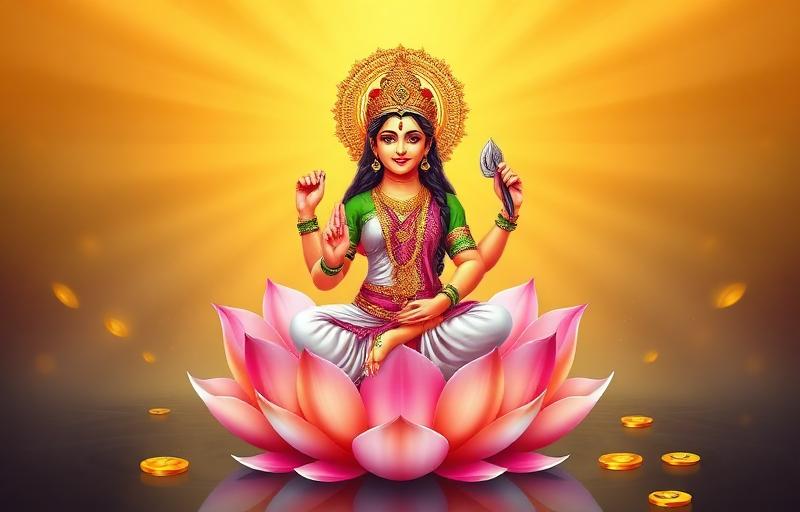
- A sacred touch: Many families keep a small image of a deity or light a diya in the kitchen, treating cooking as an offering of nourishment.
These are gentle traditional ideals. A clean, cheerful kitchen where food is cooked with love already carries the best energy.
Quick Answers
Which direction is best for the kitchen as per vastu?+
The south-east (Agni kona) is considered the ideal direction for the kitchen, as it is the direction of the fire element. The north-west is regarded as the next best option. This is traditional guidance, not a strict rule.
Which way should you face while cooking?+
Vastu suggests facing east while cooking, as east is linked to health and positive energy. Placing the stove in the south-east corner makes facing east natural.
Why should the stove and sink not be together?+
The stove represents fire and the sink represents water - opposing elements in vastu. Keeping them apart, ideally on different counters or with a small gap, is believed to avoid an elemental clash. If space is limited, a wooden or earthen object placed between them is a common remedy.
What if my kitchen does not match vastu directions?+
Do not worry. Vastu offers ideals, not guarantees. Keeping the kitchen clean, well-lit, clutter-free and cooking with a calm, grateful heart is considered most important. Apply whichever tips your space allows.
About the author
Dr. Suresh Iyer · Vastu Shastra & Jyotish, 18+ years
Dr. Suresh has practiced traditional Vastu and basic Vedic Jyotish for over 18 years across South India. He contributes the Vastu, direction, and home-puja layout guides on Vandnaa.
Meet the Vandnaa editorial team →