A City Transformed by Devotion
For a few days each autumn, Kolkata transforms entirely around the worship of Goddess Durga. Streets fill with lights, neighborhoods gently compete in devotion and artistry, and the whole city takes on a shared rhythm built around visiting the goddess in pandal after pandal. This culture, built over generations, is as much about community and creativity as it is about ritual worship.
The Spirit of Community Puja
At the heart of Kolkata's Durga Puja is the sarbojanin, or community, puja, organized by neighborhood committees who spend months planning everything from the pandal design to the schedule of rituals and cultural programs. Residents of a locality often contribute together, whether through funds, labor or simply their presence, turning the puja into a shared project of devotion rather than the responsibility of any single family.
Evenings during the festival bring the tradition of adda, unhurried conversation among friends and family, and pandal hopping, visiting as many pandals as possible across the city, both of which have become inseparable from the devotional calendar itself.
Theme Pandals and Artistic Devotion
Kolkata is particularly known for its theme pandals, elaborate structures designed each year around a chosen concept, ranging from recreations of famous temples and monuments to reflections on social and cultural subjects. Skilled artists and designers, often working for months, transform ordinary materials into striking structures that draw visitors from across the city and beyond, without losing sight of the pandal's central purpose as a house of worship.
Recognition on the World Stage

In 2021, Durga Puja in Kolkata was inscribed by UNESCO on its Representative List of the Intangible Cultural Heritage of Humanity, an acknowledgment of the festival's unique blend of devotion, art and community participation. For devotees and residents alike, this recognition affirmed what generations of Kolkata's puja-goers had always known, that this festival represents something culturally significant far beyond the city itself.
Devotion at the Heart of the Celebration
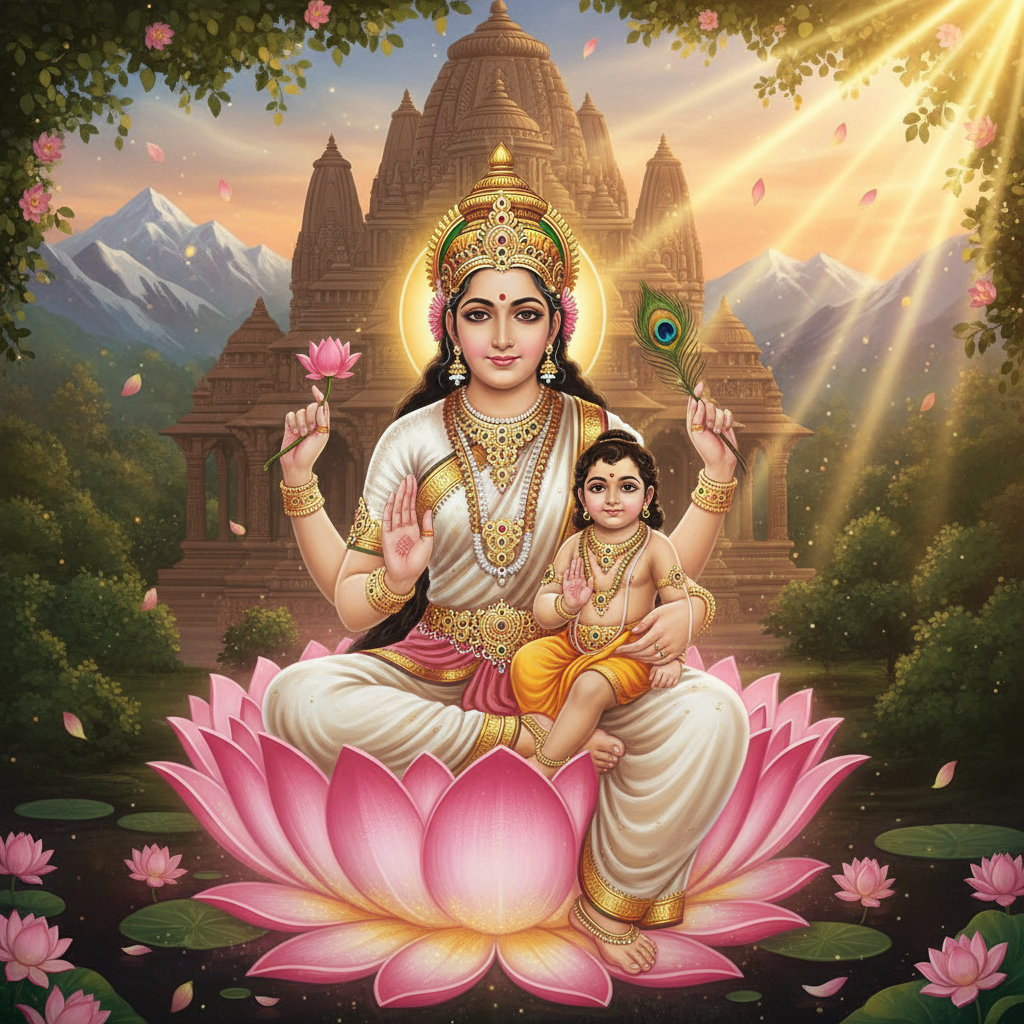
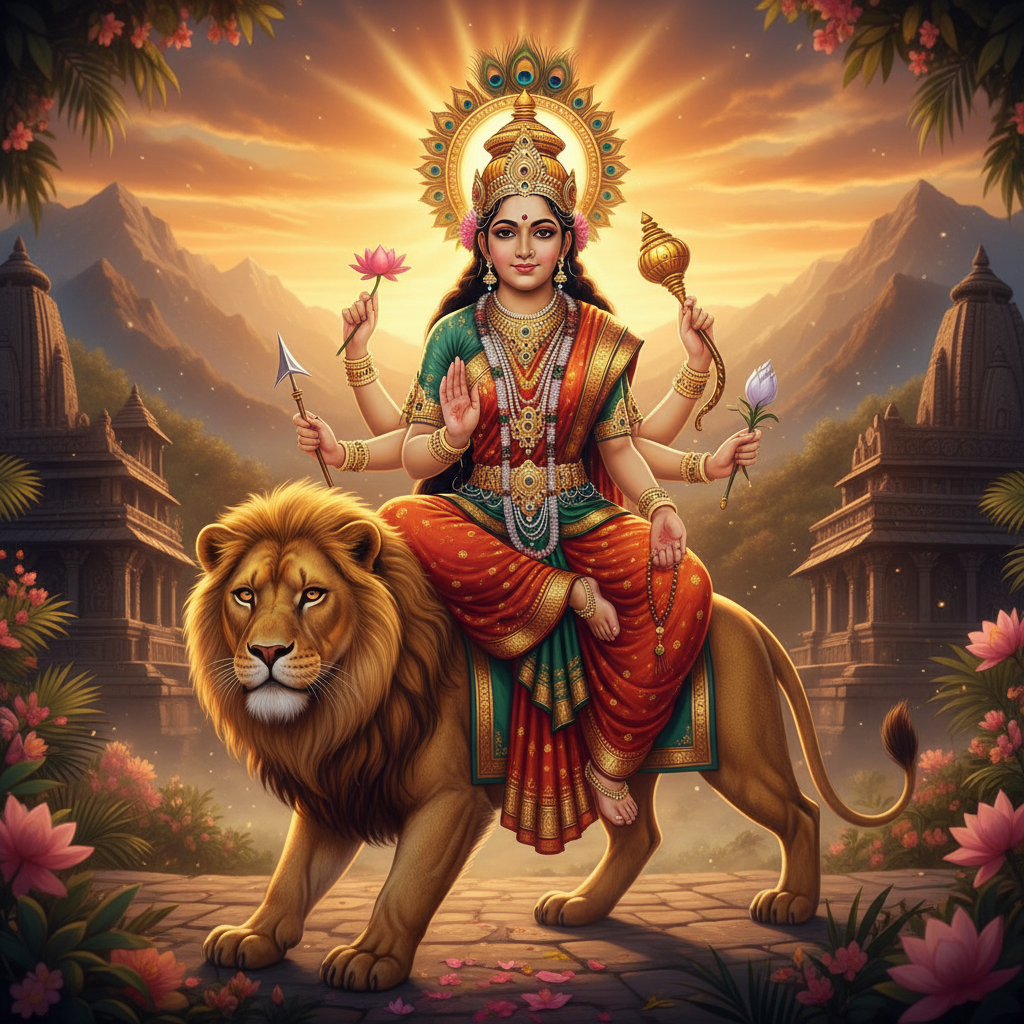
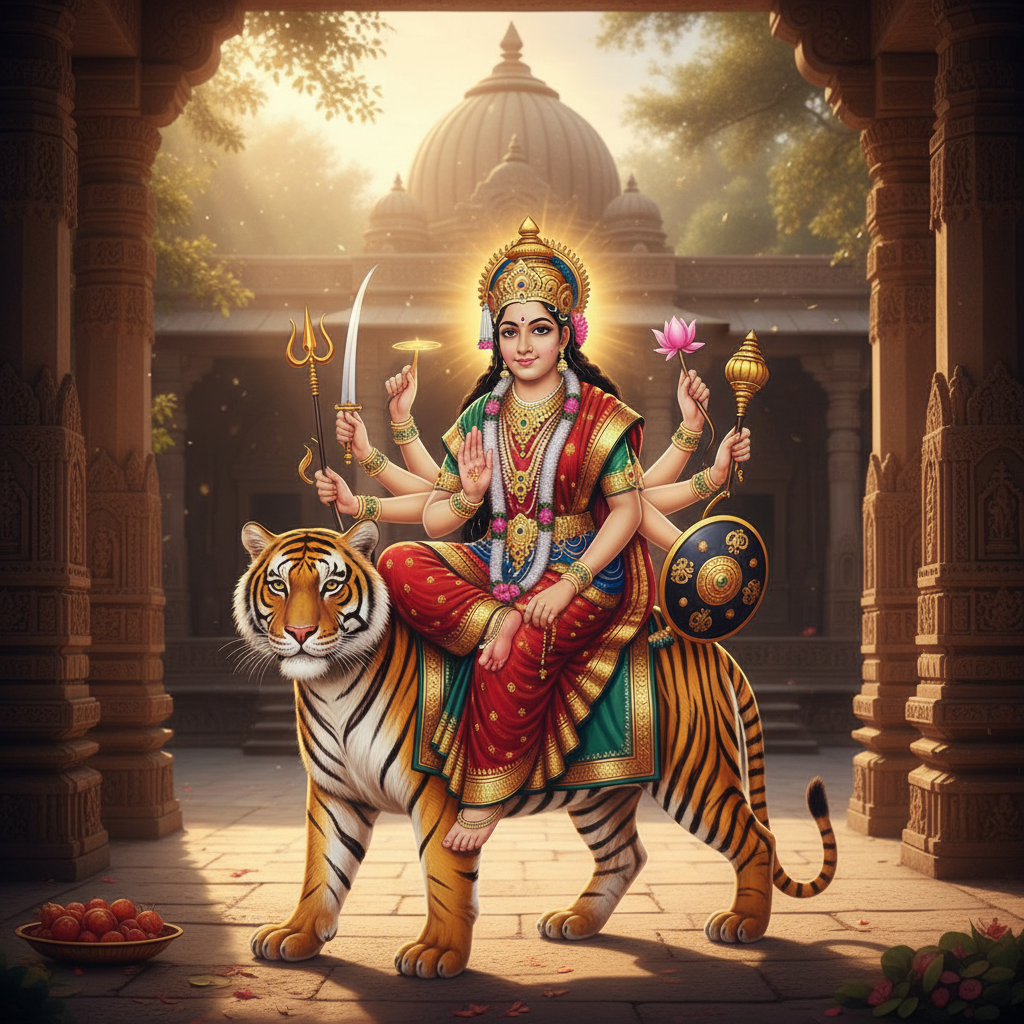
Amid the lights, crowds and artistry, the devotional core of the festival remains unchanged, the worship of Durga as the Divine Mother who returns to her devotees each year. Priests continue to perform the traditional rituals of each day, from Shashthi to Dashami, within even the most elaborate theme pandals, a reminder that beneath every creative structure lies the same enduring act of faith.
A Devotee's Takeaway
Kolkata's Durga Puja culture shows how devotion can grow to embrace an entire city without losing its sacred center. For devotees, experiencing this culture, whether through a quiet visit to a neighborhood puja or a walk through the city's grandest theme pandals, is ultimately still an encounter with the same timeless devotion to the Goddess.
Frequently Asked Questions
What is sarbojanin puja in Kolkata?+
Sarbojanin puja refers to community-organized Durga Puja celebrations run by neighborhood committees, open to the entire locality rather than a single family, forming the backbone of Kolkata's Durga Puja culture.
When was Kolkata's Durga Puja recognized by UNESCO?+
In 2021, Durga Puja in Kolkata was inscribed on UNESCO's Representative List of the Intangible Cultural Heritage of Humanity, recognizing its unique blend of devotion, art and community participation.
What are theme pandals?+
Theme pandals are elaborately designed pandal structures built each year around a chosen artistic concept, ranging from recreations of monuments to social themes, while still serving their central purpose as a place of worship.
About the author
Pandit Mahesh Trivedi · Festival Traditions & Panchang
Pandit Mahesh leads the festival-date and Panchang content on Vandnaa. He cross-references multiple regional panchangs (Drik, Vaishnava, Bengali, Marathi) for every festival date published on the site.
Meet the Vandnaa editorial team →