What is Krishna Ashtottara Shatanamavali?
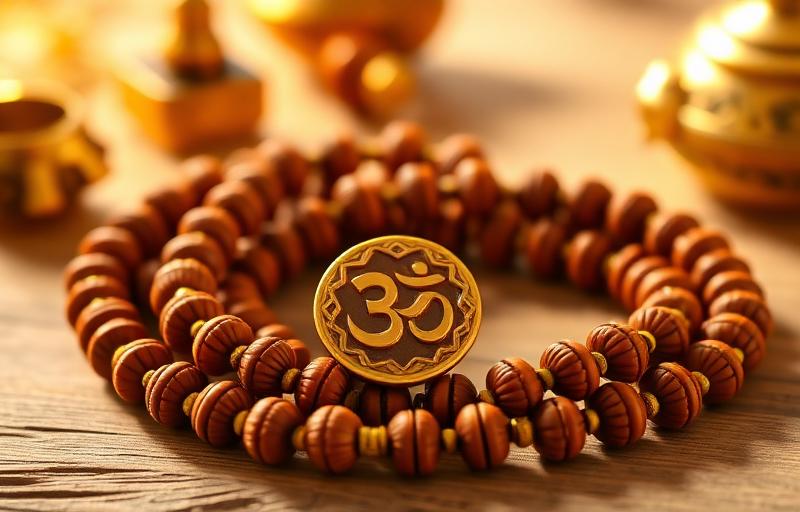
Krishna Ashtottara Shatanamavali is a sacred Sanskrit hymn composed of 108 divine names of Lord Krishna. The word 'Ashtottara' literally means '108' (Ashta = 8, Uttara = above hundred = 108), and 'Shatanamavali' translates to 'a garland of one hundred names.' Each of the 108 names captures one aspect of Krishna - from his birth in Mathura, his childhood pranks with Yashoda, his role as Arjuna's charioteer, to his cosmic form as Parabrahman. Devotees chant these 108 names daily as a complete spiritual practice - it functions like a focused 108-bead japa mala session, with each bead invoking one specific divine quality. The Ashtottara is found in Pancharatra Agama texts and is also part of the Bhavishya Purana. Unlike the much longer Vishnu Sahasranama (1000 names), the Ashtottara is short enough to recite in 7-10 minutes, making it perfect for daily morning or evening practice. It is the single most popular Krishna prayer recited in homes, temples (especially ISKCON and Udupi traditions), and during Janmashtami celebrations across India.
Complete List of 108 Names of Krishna (Sanskrit + Meaning)
Below is the complete Krishna Ashtottara Shatanamavali in groups of 12 for easier daily recitation. Each name begins with 'Om' and ends with 'Namah' (e.g., Om Krishnaya Namah). Names 1-12: Om Krishnaya Namah (the dark one, all-attractive), Om Kamalanathaya Namah (lord of Lakshmi), Om Vasudevaya Namah (son of Vasudeva), Om Sanatanaya Namah (the eternal), Om Vasudevatmajaya Namah (son of Vasudev), Om Punyaya Namah (the pure), Om Lila Manusha Vigrahaya Namah (the divine in human form), Om Shri Vatsa Kaustubha Dharaya Namah (wearer of Srivatsa mark and Kaustubha gem), Om Yashoda Vatsalaya Namah (beloved son of Yashoda), Om Hariye Namah (remover of sins), Om Chaturbhuja Atta Chakra Asi Gada Shankhadyudayudhaya Namah (four-armed wielder of chakra, sword, mace, and conch), Om Devakinandanaya Namah (joy of Devaki). Names 13-24: Om Shrishaya Namah (lord of Shri), Om Nandagopa Priyatmajaya Namah (beloved son of Nanda), Om Yamuna Vega Samharine Namah (controller of Yamuna's force), Om Balabhadra Priyanujaya Namah (younger brother of Balarama), Om Putana Jeevita Haraya Namah (slayer of demoness Putana), Om Shakatasura Bhanjanaya Namah (breaker of Shakatasura), Om Nanda Vraja Janananandine Namah (joy of Nanda's Vraja), Om Sachchidananda Vigrahaya Namah (embodiment of existence-consciousness-bliss), Om Navaneeta Vilipta Angaya Namah (body smeared with butter), Om Navaneeta Natanaya Namah (butter dancer), Om Muchukunda Prasadakaya Namah (granter of grace to Muchukunda), Om Shodasha Stree Sahasresha Namah (lord of sixteen thousand consorts). Names 25-36: Om Tribhangine Namah (three-folded posture), Om Madhurakritaye Namah (sweet form), Om Shukavagamritabdindave Namah (moon of Shuka's nectar speech), Om Govindaya Namah (one who pleases cows and earth), Om Yoginam Pataye Namah (lord of yogis), Om Vatsa Vati Charanaya Namah (cowherd who tends calves), Om Anantaya Namah (infinite), Om Dhenukasura Bhanjanaya Namah (slayer of Dhenuka), Om Trinikrita Trinavartaya Namah (one who made Trinavarta as a blade of grass), Om Yamala Arjuna Bhanjanaya Namah (breaker of twin Arjuna trees), Om Uttala Tala Bhetre Namah (breaker of tall palm trees), Om Tamala Shyamalakritaye Namah (dark like tamala tree). Names 37-48: Om Gopagopishvaraya Namah (lord of cowherds and gopis), Om Yogine Namah (yogi), Om Koti Surya Sama Prabhaya Namah (radiant like crores of suns), Om Ilapataye Namah (lord of earth), Om Parasmai Jyotishe Namah (supreme light), Om Yadavendraya Namah (lord of Yadavas), Om Yadudvahaya Namah (best of Yadus), Om Vanamaline Namah (garland of forest flowers), Om Peetavase Namah (yellow-clothed), Om Parijata Apaharakaya Namah (one who carried away Parijata), Om Govardhana Achaloddhartre Namah (lifter of Govardhan mountain), Om Gopalaya Namah (cow protector). Names 49-60: Om Sarva Palakaya Namah (protector of all), Om Ajaya Namah (unborn), Om Niranjanaya Namah (untainted), Om Kamajanakaya Namah (father of Kama / Cupid Pradyumna), Om Kanjalochanaya Namah (lotus-eyed), Om Madhughne Namah (slayer of Madhu), Om Madhavaya Namah (lord of Lakshmi), Om Mathura Nathaya Namah (lord of Mathura), Om Dwaraka Nayakaya Namah (lord of Dwaraka), Om Baline Namah (mighty one), Om Vrindavana Anta Sancharine Namah (one who roams in Vrindavan), Om Tulasi Dama Bhushanaya Namah (adorned with Tulsi garland). Names 61-72: Om Shyama Nundara Sundaraya Namah (dark and beautiful), Om Shamanthaka Mane Hartre Namah (recoverer of Syamantaka gem), Om Naranarayana Atmakaya Namah (Nara-Narayana form), Om Kubja Krishtangaragaya Namah (anointed with Kubja's sandal paste), Om Mayine Namah (master of maya), Om Paramapurushaya Namah (supreme person), Om Mushtikasura Chanura Mallayuddha Visharadaya Namah (expert wrestler against Mushtika and Chanura), Om Samsara Vairine Namah (enemy of worldly bondage), Om Kamsaraye Namah (enemy of Kamsa), Om Muraraye Namah (enemy of Mura), Om Narakantakaya Namah (slayer of Narakasura), Om Anadi Brahmacharine Namah (eternal celibate / yogi). Names 73-84: Om Krishna Vyasana Karshakaya Namah (remover of distress for devotees), Om Shishupala Shirashchhetre Namah (severer of Shishupala's head), Om Duryodhana Kulanta Kritaye Namah (destroyer of Duryodhana's lineage), Om Vidura Akrura Varadaya Namah (boon-giver to Vidura and Akrura), Om Vishvarupa Pradarshakaya Namah (revealer of cosmic form), Om Satya Vache Namah (truthful speaker), Om Satya Sankalpaya Namah (whose resolve is truth), Om Satyabhama Rataye Namah (beloved of Satyabhama), Om Jayine Namah (victorious), Om Subhadra Purvajaya Namah (elder brother of Subhadra), Om Vishnave Namah (all-pervading), Om Bhishma Mukti Pradayakaya Namah (giver of liberation to Bhishma). Names 85-96: Om Jagad Gurave Namah (universal teacher), Om Jagannathaya Namah (lord of universe), Om Venunada Visharadaya Namah (expert flute player), Om Vrishabhasura Vidhvamsine Namah (slayer of bull-demon), Om Banasura Karantakaya Namah (severer of Banasura's arms), Om Yudhishtira Pratishthatre Namah (establisher of Yudhishthira), Om Barhi Barhavata Msakaya Namah (peacock-feather crowned), Om Parthasarathaye Namah (charioteer of Arjuna), Om Avyaktaya Namah (unmanifest), Om Gita Amrita Mahodadhaye Namah (great ocean of Gita's nectar), Om Kaliya Phani Manikya Ranjita Shri Padambujaya Namah (lotus feet shining with Kaliya serpent's gem), Om Damodaraya Namah (one bound with rope at waist). Names 97-108: Om Yajna Bhoktre Namah (enjoyer of yajnas), Om Daana Vendraya Namah (lord of Danavas / king of giving), Om Narayanaya Namah (supreme refuge), Om Para Brahmane Namah (supreme Brahman), Om Pannagashana Vahanaya Namah (rider of Garuda, eater of serpents), Om Jala Krida Samasakta Gopi Vastra Apaharakaya Namah (taker of gopis' clothes during water sports), Om Punyaslokaya Namah (of praiseworthy fame), Om Tirthapadaya Namah (whose feet are pilgrimages), Om Vedavedyaya Namah (knowable through Vedas), Om Dayanidhaye Namah (treasure of compassion), Om Sarva Bhuta Atmakaya Namah (soul of all beings), Om Sarvagrahe Rupine Namah (form of all planets). End with: 'Iti Shri Krishna Ashtottara Shatanamavali Sampurnam' (Thus ends the 108 names of Shri Krishna).
7 Powerful Benefits of Chanting Krishna's 108 Names
1. Removes mental stress and anxiety - Each name carries Krishna's compassion. Chanting daily creates a meditative rhythm that lowers cortisol, slows breathing, and quiets the mind in 7-10 minutes. Devotees report sleeping better within 2 weeks of practice. 2. Attracts prosperity (Lakshmi-Krishna couple) - Names like 'Kamalanathaya', 'Madhavaya', 'Shrishaya' invoke Krishna as Lakshmi's consort. Lakshmi only stays where Krishna is worshipped daily - that's why combining Krishna Ashtottara with Lakshmi Ashtottara is the most powerful wealth practice. 3. Resolves family/relationship conflicts - 'Yashoda Vatsalaya' (beloved of Yashoda) and 'Subhadra Purvajaya' (Subhadra's brother) carry the energy of family love. Couples chanting together report renewed harmony within 21-40 days. 4. Protection from enemies and negative energy - Names like 'Kamsaraye' (enemy of Kamsa), 'Muraraye' (enemy of Mura), 'Narakantakaya' (slayer of Narakasura) are protective shields. Chant them when facing workplace politics, court cases, or unexplained obstacles. 5. Spiritual progress and bhakti awakening - 'Sachchidananda Vigrahaya' (existence-consciousness-bliss form) and 'Para Brahmane' (supreme Brahman) are direct paths to advaita realization. Many sadhakas report deeper meditation after 40 days of Ashtottara chanting. 6. Healing childhood traumas - Krishna's bal-leela names (Navaneeta Natanaya, Yashoda Vatsalaya) heal inner-child wounds. Visualizing baby Krishna while chanting is a powerful trauma-release practice taught in many bhakti traditions. 7. Liberation (moksha) - The Bhagavad Gita Chapter 8 states that chanting Krishna's names at the moment of death grants liberation. Daily Ashtottara conditions the mind to remember Krishna in the final moment.
How to Chant Krishna Ashtottara - Step-by-Step Vidhi

Best time: Brahma Muhurta (4:00-5:30 AM) for maximum result. Second best: 7:00-8:00 PM during pradosha kaal. Avoid: 12 noon and 12 midnight (rajas/tamas peaks). Preparation (5 minutes): 1. Bathe and wear clean yellow or white clothes (Krishna's colors). 2. Sit on a wool or kusha grass aasan facing east. 3. Place Krishna idol/picture in front, light a ghee diya (no mustard oil for Krishna), and offer fresh tulsi leaves and yellow flowers. 4. Sprinkle Ganga jal or any water with 'Om Vishnave Namah' to purify the space. Sankalpa (intention setting): Take a sip of water (achaman), state your name, gotra, today's tithi, and your specific intention (e.g., 'I, [name], chant the 108 names of Lord Krishna for [purpose: health/wealth/peace/moksha]'). The Chant: 5. Use a tulsi mala (108 beads). 6. Start each name with 'Om' and end with 'Namah' - full form: 'Om Krishnaya Namah'. Move one bead per name. 7. Read at a slow, steady pace (5-7 seconds per name) - total time should be 8-12 minutes. 8. Visualize Krishna playing the flute under Kadamba tree as you chant. Closing: 9. After the 108th name, say 'Iti Shri Krishna Ashtottara Shatanamavali Sampurnam'. 10. Offer the fruit (phal) of the jap to Krishna: 'Tvadiyam Vastu Govinda Tubhyameva Samarpaye' (I offer this back to you, Govinda). 11. Take prasad (one tulsi leaf, water, or any naivedya offered). Frequency: Once daily for 40-day mandala for one specific result. 3 times daily during Janmashtami week. Once a week (Wednesday or Thursday) for general well-being.
Best Days, Tithis & Festivals for Krishna Ashtottara
Days of the week: Wednesday and Thursday are most auspicious (Wednesday is Krishna's day in many traditions, Thursday is Vishnu's day - Krishna being Vishnu's avatar). Avoid Tuesday and Saturday for fresh starts (those are for Hanuman and Shani). Tithis (lunar dates): Ashtami (8th day) of every month is Krishna Ashtami - extremely powerful. Ekadashi (11th day) is auspicious for all Vishnu/Krishna practices. Pournami (full moon) amplifies Krishna's bhakti energy especially in Kartik month (October-November). Major festivals to start a 40-day Ashtottara mandala: 1. Janmashtami (August-September) - Krishna's birthday is the supreme starting day. 2. Radha Ashtami (15 days after Janmashtami) - for couples and marriage seekers. 3. Govardhan Puja (day after Diwali) - for prosperity. 4. Mokshada Ekadashi (Margashirsha, Dec) - Gita Jayanti, for spiritual liberation. 5. Vasant Panchami (Magh, Feb) - start of yellow-themed worship. 6. Akshaya Tritiya (Vaishakh, May) - for everlasting wealth.
5 Common Mistakes to Avoid While Chanting
1. Skipping the Sankalpa - Without stating intention, the jap result becomes generic. Always say what you're chanting for, with date and gotra. 2. Rushing through names - Many devotees finish in 4 minutes to 'get it done'. The minimum recommended duration is 8 minutes. If you rush, the mind doesn't enter meditative state. 3. Wrong oil/incense - Mustard oil is for Hanuman/Shani/Bhairav, NOT Krishna. Use ghee diya only. Camphor (kapoor) is also welcome. Avoid musk-heavy incense; sandalwood and rose are ideal. 4. No tulsi - Krishna mandates tulsi in every offering. Chanting without tulsi present in the room reduces benefit. Keep a tulsi plant nearby or at least dry tulsi leaves in the puja thali. 5. Eating onion/garlic on jap days - These tamasic foods cloud the mind. On Ashtami, Ekadashi, and Pournami when you do intensive jap, eat satvik food only (fruits, milk, simple grains, ghee).
What People Ask Most
How long does it take to chant Krishna Ashtottara once?+
8-12 minutes is the ideal range. Faster than 5 minutes means rushing and losing the meditative state; slower than 15 minutes risks the mind wandering. For beginners, 10 minutes is the sweet spot. Use a tulsi mala (108 beads) so you naturally maintain rhythm.
Can women chant Krishna Ashtottara during menstruation?+
Yes - mental chanting (manasik jap) is always allowed. The traditional restriction applies only to touching the idol and entering the inner sanctum. Listen to audio recitation or recite silently from a clean place. Krishna himself addressed Draupadi and Kunti without any such restriction - the bhava (devotion) matters, not the body's state.
What is the difference between Krishna Ashtottara and Vishnu Sahasranama?+
Vishnu Sahasranama has 1000 names of Vishnu (Krishna being one of his avatars). It takes 35-45 minutes. Krishna Ashtottara has 108 names specifically about Krishna (his Vrindavan leelas, Mahabharat role, cosmic form). Both are equally powerful, but Ashtottara is more focused on Krishna's specific divine play and is much more practical for daily chanting. Sahasranama is recommended for weekly/special-day practice; Ashtottara for daily.
Should I chant in Sanskrit or my own language?+
Sanskrit is preferred because each name has specific phonetic vibrations tuned to chakras (e.g., 'Krishnaya' vibrates the heart chakra, 'Namah' grounds energy). If Sanskrit is hard, listen to a recording while you mentally chant. After 2-3 weeks of listening, you'll naturally start pronouncing correctly. Reading meaning in Hindi/English alongside is recommended - bhakti grows with understanding.
Can I chant Krishna Ashtottara for someone else's well-being?+
Yes - this is called 'Sankalpa with substitute beneficiary'. State in the sankalpa: 'I chant on behalf of [person's name and gotra] for [their need: health/marriage/job]'. The jap karma transfers but you also receive 1/16 of the merit. Most powerful when the beneficiary is parents, sick relatives, or your spouse. Do at least 11 days continuous for tangible result.
About the author
Acharya Vinaya Kapoor · M.A. Sanskrit, Mantra & Stotra Studies
Acharya Vinaya holds an M.A. in Sanskrit from Banaras Hindu University and writes the mantra and stotra commentary on Vandnaa. Her focus is on accurate pronunciation, traditional context, and helping modern readers connect with classical texts.
Meet the Vandnaa editorial team →Explore on Vandnaa
Related Articles
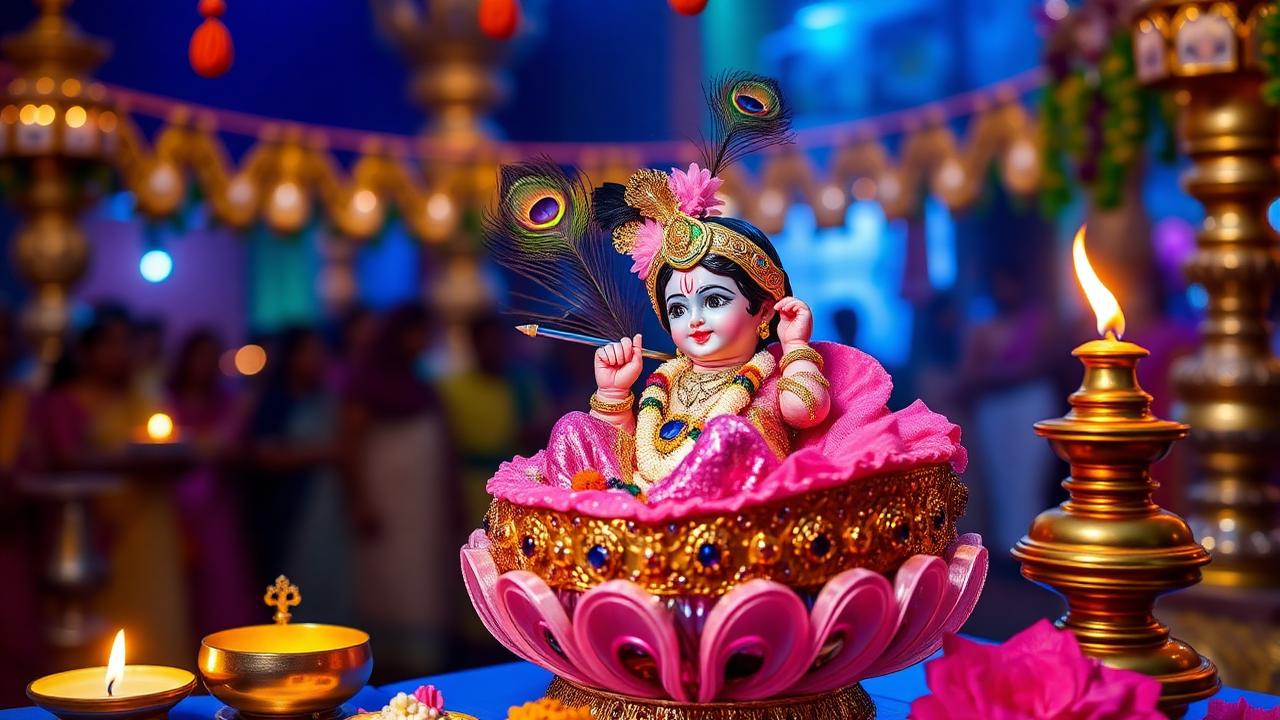
Krishna Janmashtami Vrat Rules: Complete Fasting & Food Guide
9 min read
Best Time to Read Hanuman Chalisa – Morning or Evening? (सुबह या शाम?)
8 min read
Best Mantra Before Sleeping – 7 Powerful Bedtime Mantras for Deep, Peaceful Sleep
11 min read
Om Namah Shivaya Mantra Benefits & Meaning (ॐ नमः शिवाय)
9 min read
Gayatri Mantra Meaning, Benefits & How to Chant (गायत्री मंत्र)
12 min read