The Katha of Rukmini Vivah
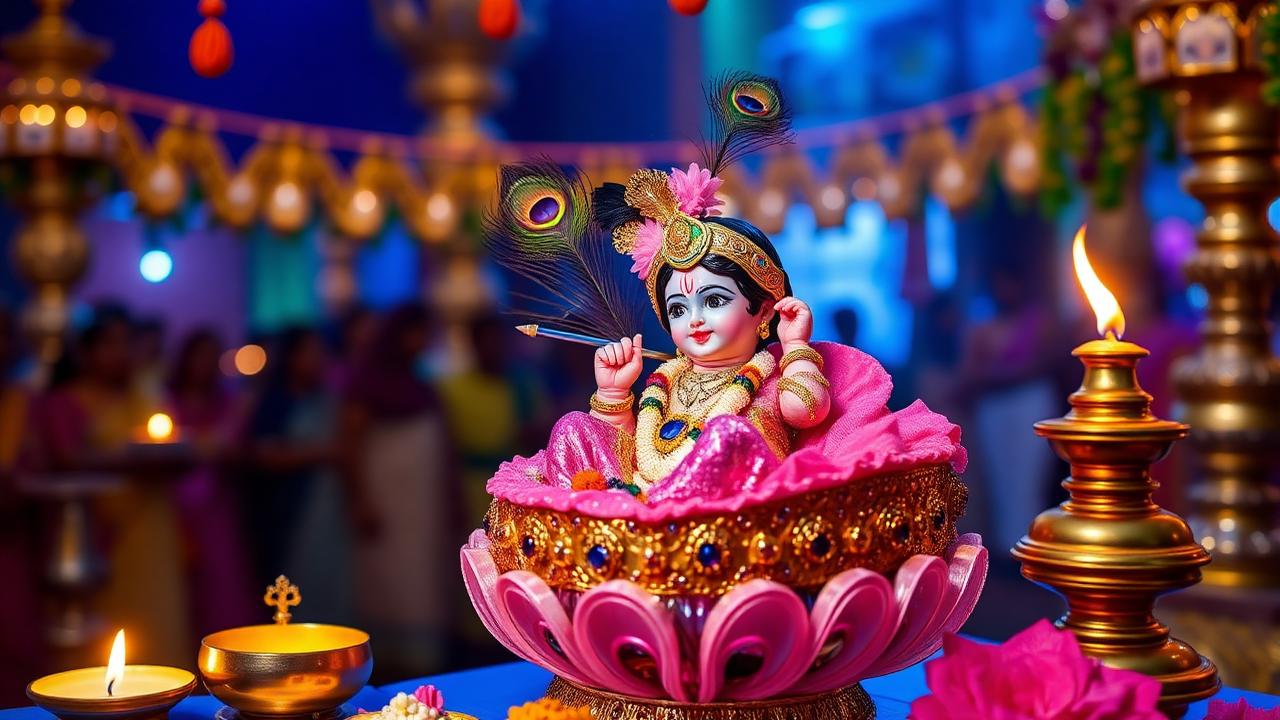
Rukmini was the princess of Vidarbha, daughter of King Bhishmaka, who had heard of Krishna's glory, wisdom and grace from travelling sages and had come to love him in her heart without ever having met him. But her elder brother Rukmi, who held a deep dislike for Krishna, arranged her marriage instead to Shishupala, the king of Chedi.
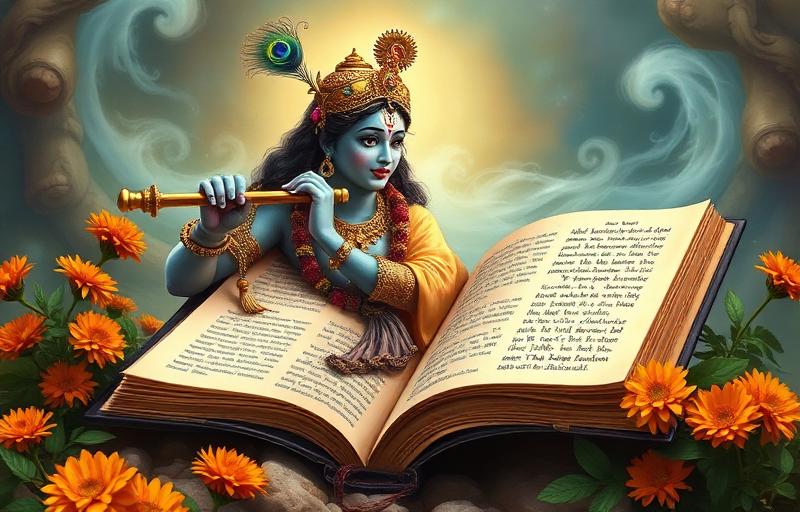
As the wedding approached, Rukmini, unwilling to marry anyone but Krishna, secretly sent a trusted Brahmin messenger to Dwarka with a heartfelt letter, telling Krishna of her devotion and asking him to come and take her away before the ceremony, describing how she would visit the temple of the goddess Ambika to pray, as was customary for brides, just before the wedding.
Krishna set out at once from Dwarka. Arriving as Rukmini stepped out from her prayers at the temple, he lifted her onto his chariot before the assembled kings and rode away, with Rukmi and other suitors giving chase. Krishna defeated the pursuers, and tradition holds he spared Rukmi's life at Rukmini's earnest request. Krishna and Rukmini were then married according to tradition, and she came to be honoured as the foremost among his principal queens, regarded by devotees as an avatar of Goddess Lakshmi herself.
Scriptural Context
This katha, often called Rukmini Haran, is described in detail in the Purva Bhaga of the Bhagavata Purana's Dashama Skandha. The Vishnu Purana and Harivamsha also reference this marriage among the accounts of Krishna's life in Dwarka.
Rukmini is counted among the Ashta Bharya, Krishna's eight principal queens, and her devotion expressed through her letter is often held up in devotional literature as an early and moving example of prema bhakti, love-filled devotion, from a devotee to the divine.
The Symbolic and Spiritual Meaning
Devotees read Rukmini's letter as a symbol of the soul's earnest yearning for the divine, a heartfelt call sent out in faith, without any certainty of how or when it would be answered. Her decision to write despite the risk shows that sincere devotion often requires courage, not passive waiting.
Krishna's swift arrival is understood as a reminder that the divine responds to genuine, heartfelt calling. Rukmini's later recognition as an avatar of Lakshmi reflects how this union came to represent an ideal, the balance of grace, prosperity and devotion coming together.
What It Teaches Devotees
- That sincere devotion, expressed with courage like Rukmini's letter, can overcome even the most difficult circumstances.
- That the divine listens closely to heartfelt calling and responds in its own time and way.
- That true love and faith may sometimes require boldness rather than passive acceptance of what is arranged.
- That mercy shown even to an opponent, as Krishna spared Rukmi, reflects grace paired with victory.
How It Is Remembered Today
Temples devoted to Krishna and Rukmini together can be found across India, including in Dwarka and at Udupi, where devotees offer prayers to this divine couple as an ideal of devotion and grace.
The katha is retold during Krishna-centred festivals and Bhagavata Katha sessions, and Rukmini's letter is often cited in devotional teaching as an example of how sincere, courageous prayer reaches the divine.
The Takeaway
Krishna and Rukmini's katha reminds devotees that sincere devotion, offered with courage and faith, is always heard, however distant the divine may seem. Love expressed honestly, tradition holds, finds its way home.
Frequently Asked Questions
Who was Rukmini?+
Rukmini was the princess of Vidarbha who fell in love with Krishna through hearing of his glory, and secretly wrote to him asking him to take her away before her arranged marriage to Shishupala.
Why did Rukmini write to Krishna?+
Rukmini's brother had arranged her marriage to Shishupala against her wishes, so she wrote a heartfelt letter asking Krishna to come and take her away before the wedding could take place.
Is Rukmini considered an avatar of Lakshmi?+
Yes, devotees regard Rukmini as an avatar of Goddess Lakshmi, and she is honoured as the foremost among Krishna's eight principal queens, the Ashta Bharya.
About the author
Anjali Mehta · Editor, M.A. Religious Studies
Anjali is the managing editor for Vandnaa and oversees the festival and vrat coverage. She holds an M.A. in Religious Studies and reviews every published article for accuracy, accessibility, and tradition-fidelity.
Meet the Vandnaa editorial team →