The Field and the Knower of the Field
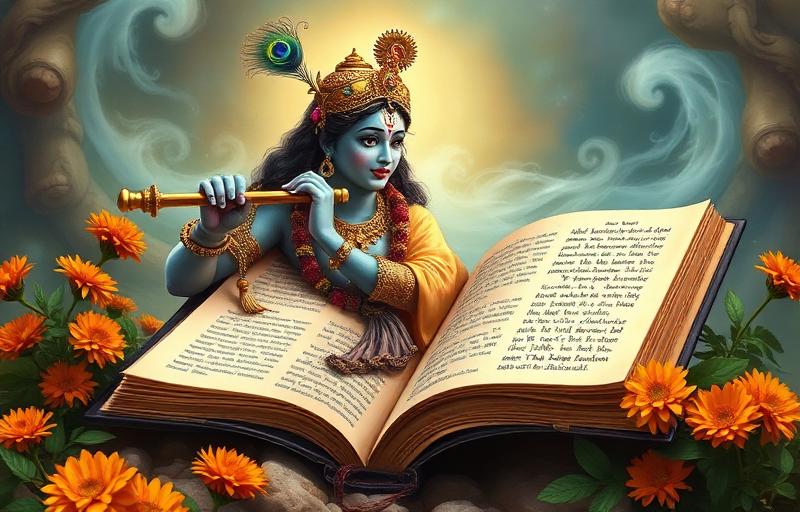
In the thirteenth chapter of the Bhagavad Gita, Lord Krishna gives Arjuna one of the most illuminating teachings on our true nature, through the metaphor of a field and its knower.
- Kshetra (the field): This is the body along with the mind, senses, intellect, ego and all their experiences. Like a field where seeds are sown and crops grow, the body-mind is where actions, sensations, thoughts and emotions arise and pass. It is the changing, perceivable 'stuff' of our worldly existence.
- Kshetragya (the knower of the field): This is the conscious Self, the awareness that witnesses the field. Just as a farmer knows his field but is not the field itself, the Self knows and observes the body, mind and their changes, while remaining distinct from them.
Krishna reveals that this Knower, the true Self, is present in every being, and that ultimately the same divine consciousness is the Knower in all fields. To recognise this is the beginning of true wisdom.
What This Teaching Reveals
The distinction between Kshetra and Kshetragya carries a life-changing insight:
- We are the witness, not the witnessed: Our true Self is the aware knower, not the ever-changing body, thoughts or emotions. Just as a screen is not affected by the film played upon it, the Self is untouched by the field's changes.
- Freedom from false identity: So much suffering comes from mistaking ourselves for the body-mind - 'I am my pain, my age, my failure'. Recognising the Knower loosens this grip and brings peace.
- The Self is eternal: While the field is born, changes and dies, the Knower is unborn and deathless. This gives fearlessness in the face of change.
- The same Self in all: Krishna says the wise see the one Knower dwelling equally in all beings. This grows compassion, humility and a sense of oneness.
The chapter also describes the qualities of true knowledge (humility, non-violence, patience, devotion), showing that this wisdom is not merely intellectual but lived.
Living This Wisdom
Though profound, the teaching of Kshetra and Kshetragya can be gently applied every day:
- Practise witnessing: When strong emotions or thoughts arise, quietly notice, 'I am the one aware of this feeling; I am not the feeling itself.' This creates a calming inner space.
- Hold difficulties lightly: Remembering that troubles belong to the ever-changing field, while you are the steady knower, brings resilience and peace.
- Care for the field wisely: Recognising we are not merely the body does not mean neglecting it; we tend the body-mind with balance, as a farmer cares for his field, without being enslaved to it.
- See the Self in others: Treating everyone as a dwelling place of the same divine Knower deepens respect and kindness.
Regular meditation and self-inquiry (like the Neti Neti method) help this understanding move from the head to the heart. This is offered as sacred Gita wisdom for reflection and practice.
Reader Questions Answered
What are Kshetra and Kshetragya in the Bhagavad Gita?+
In chapter 13, Kshetra (the field) is the body along with the mind, senses, intellect and ego - the changing 'stuff' of worldly existence. Kshetragya (the knower of the field) is the conscious Self, the awareness that witnesses the field while remaining distinct from it, like a farmer who knows his field but is not the field.
Why is the Kshetra-Kshetragya teaching important?+
It reveals that our true Self is the aware witness, not the ever-changing body and mind. This frees us from the suffering of false identity ('I am my pain, my failure'), gives fearlessness since the Knower is eternal, and grows compassion by seeing the same Self in all beings.
How can I apply this teaching in daily life?+
Practise witnessing - when strong emotions arise, notice 'I am aware of this feeling, I am not the feeling'. Hold difficulties lightly as belonging to the changing field, care for the body-mind with balance without being enslaved to it, and see the same divine Self in others. Meditation and self-inquiry deepen this.
About the author
Anjali Mehta · Editor, M.A. Religious Studies
Anjali is the managing editor for Vandnaa and oversees the festival and vrat coverage. She holds an M.A. in Religious Studies and reviews every published article for accuracy, accessibility, and tradition-fidelity.
Meet the Vandnaa editorial team →