Kukke Subramanya: A Shrine of Serpent Reverence
Kukke Subramanya, in Karnataka's Dakshina Kannada district, sits on the banks of the Kumaradhara river at the foot of the Kumara Parvata hills. The temple honours Lord Subrahmanya, son of Shiva also known as Kartikeya, worshipped here in close association with Vasuki, the king of serpents, making this one of India's most distinctive centres of Naga devotion.
Devotees travel here specifically for the temple's Sarpa Samskara rituals, believed to bring peace to those who feel burdened by ancestral vows connected to serpent reverence left unfulfilled.
The Legend of Vasuki at Kukke Subramanya
Tradition tells that Vasuki, king of the serpents, sought refuge here after Indra's vajra struck him, and it was Lord Subrahmanya who granted him protection and a permanent place of honour at this spot. Out of gratitude, Vasuki is said to reside here still, worshipped alongside Subrahmanya in the sanctum.
The temple's very name, Kukke, is drawn from the dense forest terrain surrounding it, and its position amid this untouched landscape is seen by devotees as fitting for a shrine so closely tied to the natural world's serpent guardians.
Why Devotees Come for Sarpa Samskara
Sarpa Samskara, sometimes called Ashlesha Bali, is a traditional ritual conducted at Kukke Subramanya for devotees who wish to honour the Naga devatas and seek relief from what tradition describes as unfulfilled ancestral vows connected to serpent reverence. The ritual is performed by temple priests according to established custom, with devotees participating as an act of devotion and remembrance of family tradition.
- Devotees see the ritual as an expression of respect toward nature and ancestral memory rather than a personal remedy sought elsewhere
- Families often undertake the ritual together, viewing it as an act of shared devotion and continuity
- Kukke Subramanya's setting amid forest and river is itself considered part of the sanctity of the practice
Darshan Guide: Timings and the Ritual Process
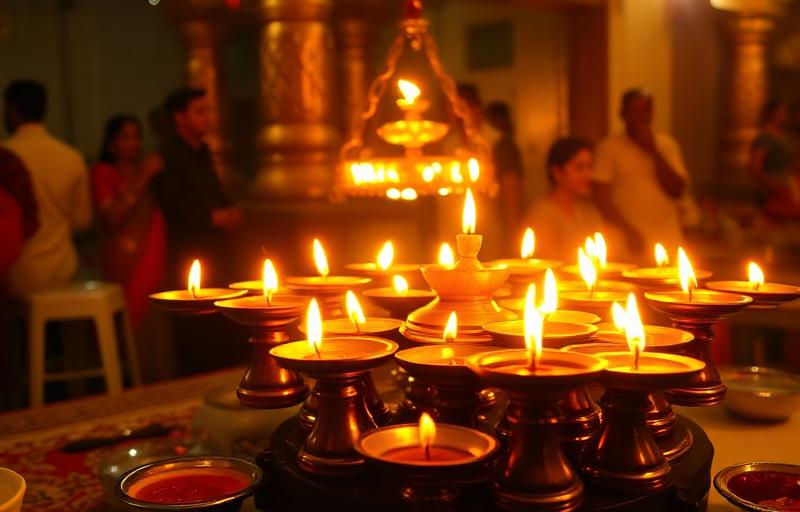
The temple maintains regular morning and evening darshan hours, and devotees wishing to perform Sarpa Samskara are advised to book in advance through the temple's administration, as the ritual follows a set procedure and specific days. Many pilgrims also take a ritual dip in the Kumaradhara river before darshan, a practice considered purifying in local tradition.
Skanda Shashti, celebrating Subrahmanya's victory over the demon Tarakasura, is among the temple's most significant festival occasions.
How to Reach Kukke Subramanya
Subrahmanya Road railway station, on the line connecting Mangaluru with Bengaluru, is the nearest railhead, followed by a short road journey to the temple town. Mangaluru International Airport is the nearest airport, and the temple is also reachable by road from Dharmasthala and other pilgrim towns of the region.
A Simple Prayer and the Takeaway
Devotees at Kukke Subramanya often chant Om Saravanabhavaya Namah, a salutation to Subrahmanya honouring his birth amid the reeds of Saravana.
The temple's Naga tradition reminds devotees that reverence for nature's creatures and remembrance of family tradition can be part of sincere devotion. A visit here, whatever the reason that brings a devotee, remains an offering of faith, not a transaction.
Frequently Asked Questions
What is Sarpa Samskara at Kukke Subramanya?+
It is a traditional ritual, also called Ashlesha Bali, performed to honour the Naga devatas and seek relief from unfulfilled ancestral vows connected to serpent reverence, conducted by temple priests following set custom.
Why is Vasuki worshipped at Kukke Subramanya?+
Tradition tells that Vasuki, king of the serpents, took refuge here after being struck by Indra's vajra, and Lord Subrahmanya granted him a permanent place of honour, which is why he is worshipped alongside Subrahmanya in the sanctum.
How do I reach Kukke Subramanya Temple?+
Subrahmanya Road railway station on the Mangaluru-Bengaluru line is the nearest railhead, followed by a short road journey, while Mangaluru International Airport is the nearest airport.
About the author
Pandit Mahesh Trivedi · Festival Traditions & Panchang
Pandit Mahesh leads the festival-date and Panchang content on Vandnaa. He cross-references multiple regional panchangs (Drik, Vaishnava, Bengali, Marathi) for every festival date published on the site.
Meet the Vandnaa editorial team →
