What is Kuldevta / Kuldevi? Why Every Family Has One
Kuldevta (कुलदेवता) means 'family deity' - Kula = lineage, Devta = god. Kuldevi is the female form. Every Hindu family/lineage has a specific deity assigned at the time of the family's spiritual origin (often traced back 7-10 generations or further). This deity is considered the spiritual guardian of the entire bloodline - protecting, blessing, and guiding all descendants. Unlike Ishta Devta (your personal chosen deity), Kuldevta is INHERITED, not chosen. You may worship Krishna by personal preference, but your kuldevta might be Goddess Kali or Shiva or a specific local deity. Both worships are valid - they serve different purposes. Why every family has one: Per Hindu cosmology, when a soul takes birth into a specific family/gotra, they're 'admitted' to that lineage's spiritual lineage too. The kuldevta acts as the karmic anchor for the entire family's collective karma - receiving collective worship and dispensing collective blessings. The 4 types of family deities in Hindu tradition: 1. Kuldevta/Kuldevi - primary family deity, worshipped at major life events. 2. Gramdevta - village deity, worshipped by everyone in that geography. 3. Ishta Devta - your personal chosen deity. 4. Adhya Devi - the goddess of the specific geographic region (e.g., Vaishno Devi for Jammu region). Why neglected kuldevta causes problems: When generations stop worshipping the kuldevta (often due to migration, urbanization, or losing the family knowledge), the protective relationship weakens. Symptoms in families: chronic financial struggles despite hard work, repeated marriage delays, family disputes that don't resolve, unexplained health issues across generations. Reconnecting with the kuldevta is the first step in solving these patterns.
How to Find Your Forgotten Kuldevta
Method 1 - Ask elders (most direct): Talk to the oldest living member of your family - usually grandparent or great-grandparent. Ask: 'Hamare kuldevta kaun hai? Where do we go for kuldevta darshan?' Many older family members know but never get asked. Document what they say in writing immediately. Method 2 - Check family rituals: 1. At weddings in your family, which deity's photo is placed? That's often the kuldevta. 2. During major festivals, which temple does the family traditionally visit? 3. Family's 'mool sthan' (ancestral village) - the village deity is often the kuldevta. 4. Idols/photos in the family home of 4+ generations - the prominent one is usually kuldevta. Method 3 - Family astrologer / kulguru: Many traditional families have a Kul Purohit (family priest) whose lineage has served yours for generations. He records the kuldevta information. Contact him through your gotra association or family elder. Method 4 - Astrological reading: If methods 1-3 fail, a qualified Vedic astrologer can identify the kuldevta from your birth chart by examining the 9th house (lineage/dharma), planetary positions, and gotra. Cost: Rs.1000-3000 per consultation. Method 5 - Spiritual confirmation: Once you have a candidate kuldevta, do this verification: 1. Worship them for 9 consecutive days (a navagraha-like cycle). 2. On day 10, observe your dreams. If the deity 'visits' in dreams or you feel a strong emotional pull during the puja - confirmed. 3. Other signs: sudden small positive shifts in life within 21 days. Common kuldevtas in India by region: North India - Vaishno Devi, Hanuman, Krishna, Shiva. Maharashtra - Khandoba, Vitthal, Bhavani. Gujarat - Mataji (various forms), Krishna. Bengal - Kali, Durga. South India - Venkateswara, Murugan, Karthikeya, Mookambika. Rajasthan - Karni Mata, Rajputi Mata. What if family is from different lineages (parents from different families): Father's kuldevta takes precedence (paternal lineage rule), but you can also worship mother's kuldevta. Some couples worship both - completely valid.
Kuldevta Worship Vidhi (When & How)
When to worship kuldevta: 1. Major life events - birth of child, marriage, new home, new business, starting major project. Kuldevta gets first invitation. 2. Annual family festival - most families have a specific date (often a tithi associated with the kuldevta) when the entire family gathers at the kuldevta temple. 3. Weekly day - if your kuldevta has a specific day (e.g., Tuesday for Hanuman, Friday for Mahalakshmi), make that day a special remembrance. 4. Personal worship - daily morning prayer naming the kuldevta. 5. Annual pilgrimage - visit the kuldevta's main temple once a year if possible. Vidhi for daily worship at home: 1. Place kuldevta's photo on the puja altar (in a special position - center or top). 2. Each morning before other puja, take their name first: 'Om [Kuldevta's name] Namah'. 3. Offer them the first portion of any prasad before distributing to family. 4. On the kuldevta's special day weekly, do extended puja with their preferred offerings (each deity has specific bhog - research yours). Vidhi for major life events: 1. Before any major event, visit the kuldevta's temple (or home altar if temple is far). 2. Take sankalpa: 'I, [your name], gotra [gotra], inform our kuldevta [name] that [event] is happening on [date]. We seek your blessing for success'. 3. Offer fresh coconut, fruits, and red/yellow flowers. 4. Make a vow: 'After successful completion, I will visit the temple with [specific offering] as gratitude'. Reconnecting after generations of neglect: 1. Start with sincere apology in your daily puja: 'O Kuldevta, I/we apologize for our family's negligence of you for [X generations]. We are returning to your shelter'. 2. Plan a pilgrimage to the kuldevta's main temple within 6 months. 3. At the temple, do a 'Tarpan-style' offering - pour milk, offer flowers, donate to the temple. 4. Bring back a small piece of prasad / temple flower for your home altar. 5. From that day, do daily naming. Within 11-21 weeks, the lineage's protection re-activates.
7 Signs Your Family's Kuldevta is Neglected
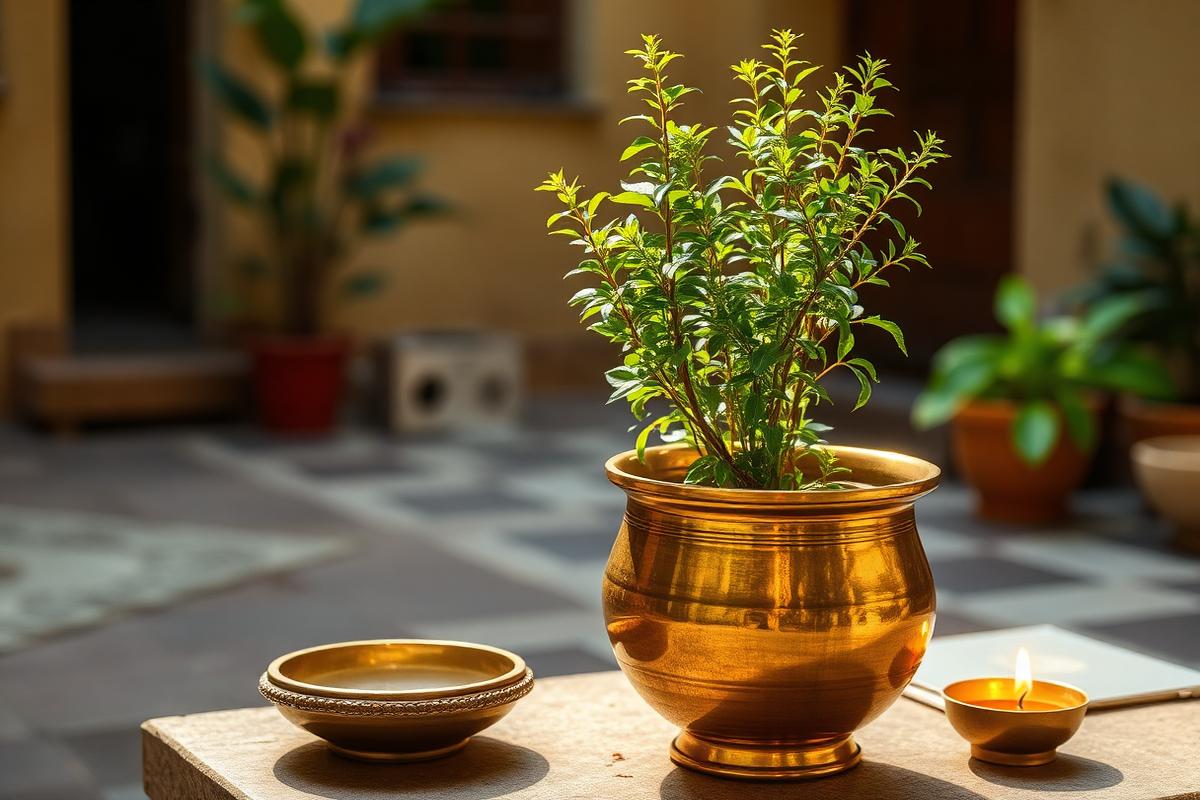
Watch for these patterns across multiple family members and generations (not just one person): 1. Chronic financial struggle despite hard work - multiple generations work hard but wealth doesn't accumulate. Inheritance disputes, businesses that don't grow despite competent management. 2. Marriage delays for multiple family members - proposals fall through repeatedly across cousins/siblings. Marriages happen but with significant difficulty. 3. Frequent family disputes that don't resolve - siblings fight, in-laws cause friction, no peace at family gatherings. 4. Recurring health issues across generations - diabetes, BP, mental health all heritable but more frequent than statistically expected. 5. No birth of male child for generations (in patriarchal lineages where this is desired) - or unexplained infertility. 6. Unsettled spirits / ancestral visitations in dreams - multiple family members report dreaming of deceased relatives asking for water, food, or rituals. 7. Major life events go wrong - weddings have last-minute issues, big projects fail at launch, new homes have problems. If 4+ of these match, kuldevta neglect is likely. Action plan: 1. Find kuldevta (use methods above). 2. Schedule family pilgrimage within 3 months. 3. Start daily naming in puja. 4. Do annual major worship on kuldevta's special day. 5. Pass the knowledge to next generation - make a family doc: 'OUR KULDEVTA' with name, primary temple location, special day, preferred offerings, important mantras. Important note: Kuldevta worship is FAMILY worship, not individual. Try to involve siblings, parents, cousins. Even one family member starting can shift the lineage energy - but family-wide engagement multiplies results.
Reader Questions Answered
What if I don't agree with my family's traditional kuldevta?+
Common modern dilemma. The kuldevta is your family's spiritual ancestor - disagreeing with it is like rejecting part of your heritage. Compromise: continue ackowledging the kuldevta (token daily naming, annual visit) while also worshipping your personally chosen Ishta Devta freely. The two don't conflict. Many devotees worship Krishna personally but maintain kuldevta worship of, say, Goddess Kali. Both flow simultaneously. Don't 'replace' kuldevta - add Ishta Devta on top.
Can a married woman worship her husband's kuldevta instead of her parents'?+
Traditionally yes - after marriage, a woman takes her husband's lineage, gotra, and kuldevta. Her primary worship shifts to husband's kuldevta. However, she can also continue worshipping her parents' kuldevta (especially on key festivals at her parental home). Modern progressive view: both are valid; do what feels right. Children of the marriage inherit the father's kuldevta as primary.
Is going to the kuldevta's main temple mandatory or can home worship suffice?+
Home worship is daily essential. Annual or major-life-event pilgrimage to the main temple is highly recommended (every 1-3 years at minimum). The temple is the kuldevta's 'high-energy' spot - the prana there is concentrated and recharges your lineage connection. Family pilgrimage is also one of the few times the entire bloodline reconnects geographically. If genuinely unable to travel due to distance/health, do an elaborate home puja on kuldevta's special day with sincere intention - substitutes 70% of pilgrimage merit.
Can I worship someone else as kuldevta if I genuinely don't know mine?+
Not 'as kuldevta' - kuldevta is inherited, not chosen. BUT you can: 1. Adopt an 'Adhya Devi' (the regional goddess of your geographic origin) as a temporary spiritual mother until you find the actual kuldevta. 2. Worship the Devi/Devta that your gotra is associated with (each gotra has a rishi-deity link). 3. Devote to your Ishta Devta deeply - this fills the spiritual gap. Continue searching for the actual kuldevta over years through methods listed above. Many families take 5-10 years to fully reconstruct their kuldevta knowledge - that's normal. Don't stop searching.
About the author
Pandit Ravindra Sharma · Vedic Rituals & Bhakti, 22+ years
Pandit Ravindra is the Vandnaa editorial team's resident specialist on aarti, chalisa, and daily devotion. He has performed home and temple pujas across Varanasi and Delhi for over two decades and contributes the bhakti-focused articles on this site.
Meet the Vandnaa editorial team →Explore on Vandnaa
Related Articles
Pitra Dosha - 7 Symptoms, Real Causes & Powerful Remedies (Complete Guide)
11 min read
Mool Mantra - Most Powerful Beej Mantras for Every Deity (Complete Guide)
11 min read

Havan at Home - Complete Vidhi, Samagri List, Mantras & Rules for Daily Worship
10 min read
16 Sanskars: Hindu Rituals from Birth to Death Explained
11 min read
Home Temple Setup: Vastu, Direction, Items & Complete Guide
9 min read
Krishna Ashtottara Shatanamavali - Complete 108 Names of Krishna with Meaning & Benefits
12 min read