What Is Lalita Trishati
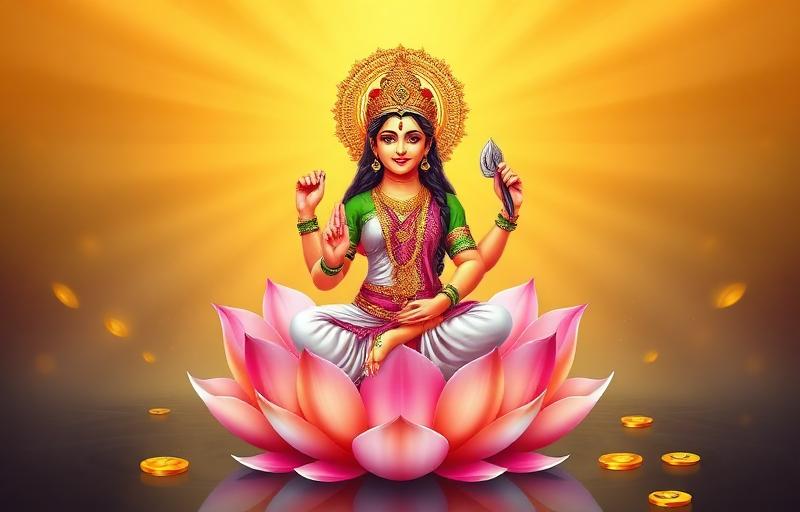
Lalita Trishati is a devotional hymn consisting of three hundred names of Goddess Lalita, also known as Tripura Sundari, the supreme form of the Divine Mother worshipped in the Sri Vidya tradition. It is found within the Brahmanda Purana and is considered a close companion to the better known Lalita Sahasranama, the hymn of her thousand names.
What makes this hymn unique is its structure. The three hundred names are arranged into groups, and each group begins with one of the syllables of the Panchadashi, the fifteen-syllable mantra sacred to Devi Lalita's worship. In this way, reciting the hymn is understood as unfolding the deeper meaning of the mantra itself, name by name.
Story Behind the Hymn
According to tradition, this hymn came into being when sage Agastya approached Hayagriva, the horse-headed form of Lord Vishnu and a great teacher of Sri Vidya, wishing to learn a devotional hymn shorter than the thousand names of Lalita Sahasranama but equally powerful. Hayagriva is said to have then invoked the Ashta Vak Devatas, the eight goddesses of speech and wisdom, who together composed these three hundred names in praise of the Divine Mother.
Because it was born from the union of divine speech and mantra, devotees consider Lalita Trishati to carry within it both poetic beauty and mantric power, making it treasured in the Sri Vidya tradition alongside the Sahasranama.
Meaning and Significance
Each name in Lalita Trishati describes a different aspect of the Goddess, her form, her ornaments, her weapons, her compassion and her role as ruler of the universe. Together, the three hundred names build a complete picture of Devi Lalita as both a tender mother and a sovereign empress of creation.
Because the hymn is structured around the Panchadashi mantra, it is often considered a bridge between simple devotional recitation and the deeper Sri Vidya practice of mantra worship, allowing even those unfamiliar with esoteric practice to connect with its essence through devotion alone.
How Devotees Recite It
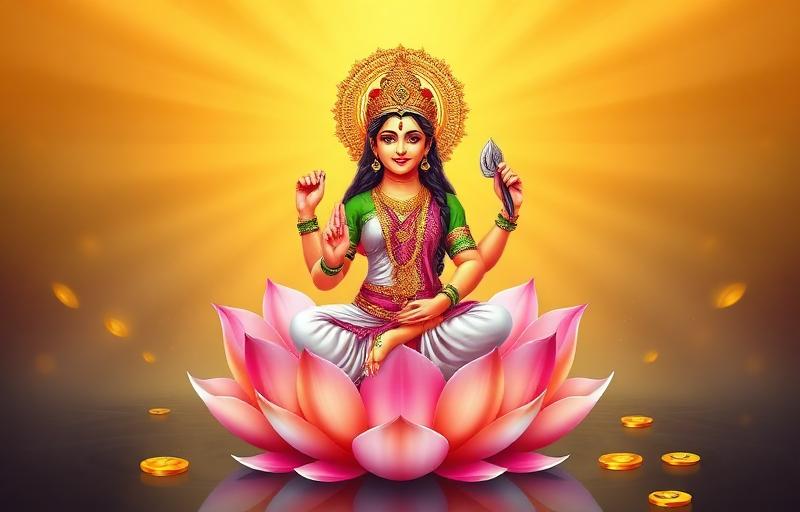
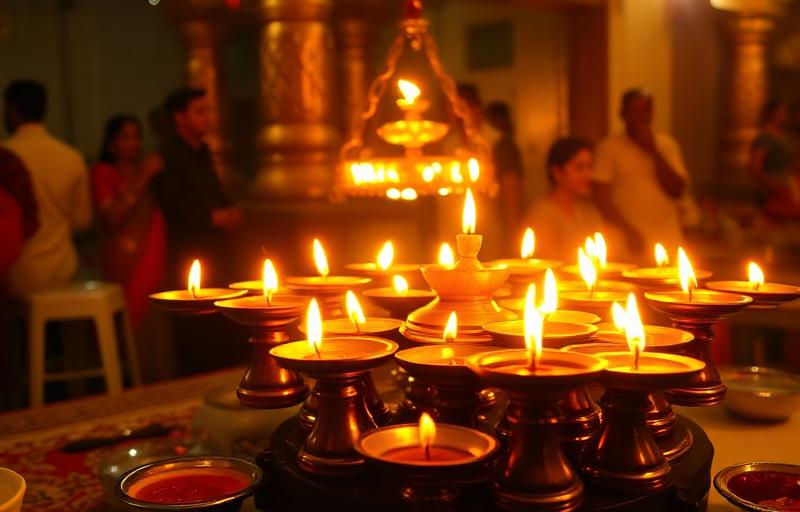
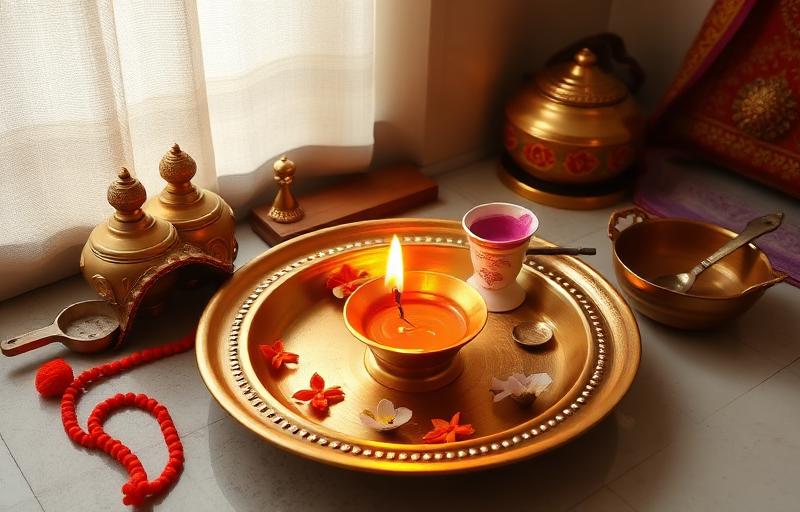
Lalita Trishati is often recited together with, or shortly after, the Lalita Sahasranama, especially on Fridays which are considered auspicious for Devi worship, and during Navratri. Devotees typically recite it seated calmly before an image or yantra of the Goddess, after a bath, with flowers and a lamp offered in devotion.
- Some devotees recite one name repeatedly as japa for focused meditation
- Others prefer the full hymn as a flowing recitation of praise
- It is considered especially meaningful when recited with understanding of the meaning of the names rather than by rote alone
Benefits As Per Tradition
As per tradition, reciting Lalita Trishati with devotion is believed to bring inner peace, clarity of mind and a deep sense of connection to the Divine Mother's grace. Because the names touch on so many aspects of the Goddess, from compassion to strength, devotees believe the hymn nurtures balance in the reciter's own life.
- Devotees believe it strengthens devotion and steadies the mind for meditation
- It is said to bring a sense of protection and maternal grace
- Many consider it a gentler complement to the more elaborate Sahasranama recitation
A Daily Takeaway
Lalita Trishati reminds devotees that the Divine Mother wears countless names because no single word can capture her fullness, and that each name is simply another doorway into her presence. Choosing even a handful of these names to reflect upon can enrich one's daily devotion.
Reciting this hymn regularly, even a portion of it, becomes an act of faith and love, not a transaction, a quiet way of remembering that grace surrounds daily life in many forms.
Quick Answers
What is Lalita Trishati?+
It is a devotional hymn of three hundred names of Goddess Lalita, found in the Brahmanda Purana and closely associated with the Lalita Sahasranama.
How is Lalita Trishati different from Lalita Sahasranama?+
Lalita Trishati has three hundred names arranged around the syllables of the Panchadashi mantra, while Lalita Sahasranama has a thousand names; both are recited in Sri Vidya devotion.
When is Lalita Trishati usually recited?+
It is commonly recited on Fridays and during Navratri, often alongside the Lalita Sahasranama, though devotees may recite it at any time with sincerity.
About the author
Acharya Vinaya Kapoor · M.A. Sanskrit, Mantra & Stotra Studies
Acharya Vinaya holds an M.A. in Sanskrit from Banaras Hindu University and writes the mantra and stotra commentary on Vandnaa. Her focus is on accurate pronunciation, traditional context, and helping modern readers connect with classical texts.
Meet the Vandnaa editorial team →