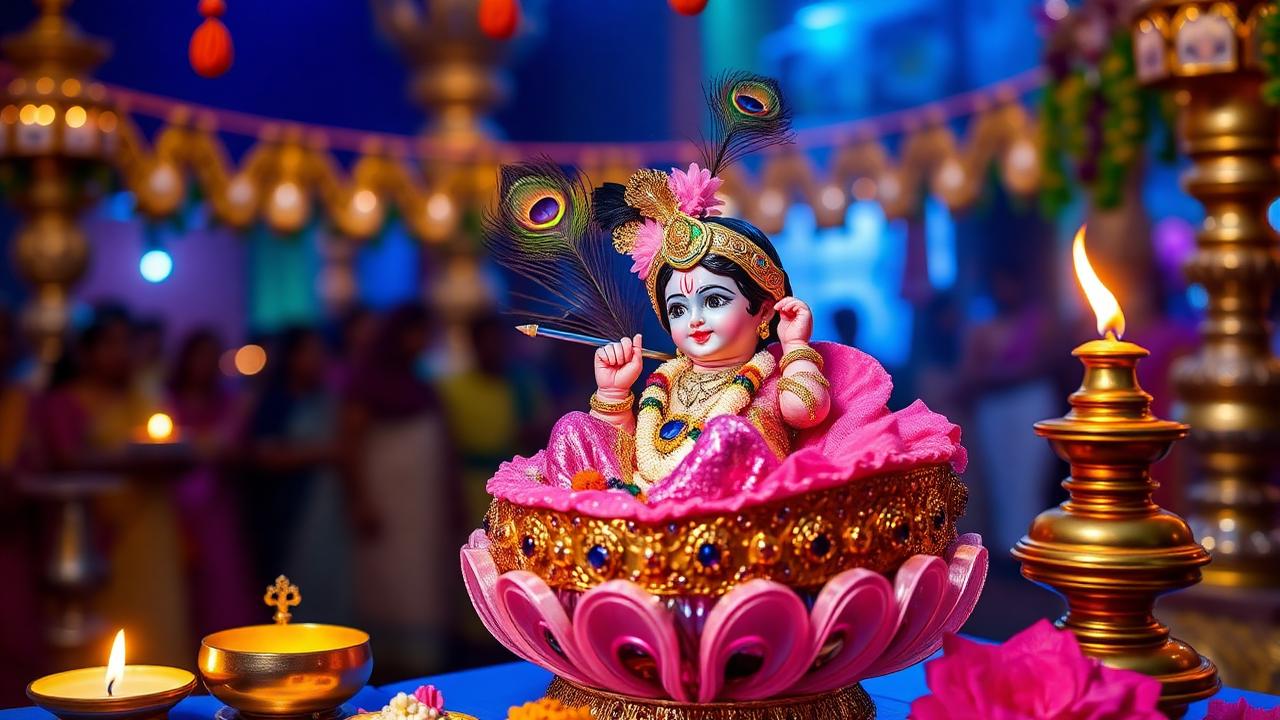
The Bonfire That Burns Winter Itself
Lohri is one of the few Hindu festivals that worships fire and the harvest rather than a deity in human form. It is the eve of Makar Sankranti, marking the end of the winter solstice and the welcome of Uttarayan - the half-year when the sun moves north.
Lohri 2027 falls on Wednesday, 13 January 2027. It is celebrated primarily in Punjab, Haryana, Himachal, Delhi, and across the Punjabi diaspora worldwide.
The central image of Lohri is the bonfire (Lohri di aag) lit at sunset and kept burning until late night. Families circle the fire 7 times clockwise, throwing offerings of til, gud, peanuts, popcorn, and rewri into the flames. Children sing folk songs about Dulla Bhatti - a Robin-Hood-like Punjabi hero who saved kidnapped girls from forced marriage. Newborn babies and newly-married brides have their first Lohri celebrated with extra grandeur.
Unique to Lohri is that it is agnostic across religions - Hindu, Sikh, Christian, even Muslim Punjabis celebrate it as a community winter festival.
🔥 The fire of Lohri is said to carry your wishes directly to Surya. What you throw in the fire - physical (til, gud) or symbolic (old grudges, fears) - is consumed and transformed.
The Dulla Bhatti Story - Why This Hero is Lohri's Star
Abdullah Bhatti (popularly Dulla Bhatti) was a 16th-century Punjabi rebel against Mughal Emperor Akbar's harsh land taxes. He was hanged in 1599. But what made him a folk hero across ALL Punjabi communities - Hindu, Sikh, Muslim - was a different act.
In his time, the Mughal nobles practised the cruel custom of taking young Punjabi girls forcibly to wealthy buyers as concubines. Dulla Bhatti would intercept these caravans, free the kidnapped girls, and arrange their proper Hindu/Muslim marriages back in their villages - paying the dowries from his own loot.
Two specific girls - Sundari and Mundri - became famous through Dulla Bhatti's intervention. He arranged their marriages in front of a community bonfire and sprinkled the marriage with sugar (a custom that continues - every Lohri, sugar is sprinkled on newlywed brides for blessings).
The Lohri folk song 'Sundar mundariye, ho! Tera kaun vechara, ho!' directly retells this story. Children recite it door-to-door, asking for til-gud-rewri-money in Dulla Bhatti's honour. Whatever they receive, they throw symbolically into the bonfire - to thank Dulla Bhatti's spirit.
The deeper meaning: Lohri is the only Hindu/Punjabi festival that explicitly commemorates a stand against gender-based violence and forced marriage. The Sundari-Mundri songs are essentially women's-rights songs sung by 5-year-olds without realizing it. This is why Lohri is celebrated grandly when a baby girl is born in the family - Dulla Bhatti's blessing is invoked.
Lohri Day Rituals - Step-by-Step
Morning (Day 1, 13 Jan 2027):
- Children go door-to-door singing 'Sundar mundariye' songs
- Households offer them sweets, money, and til-gud
- Mothers prepare special foods: makki di roti, sarson da saag, pinni, gajak, til-rewri
- Newly-married couples and families with newborns prepare for special celebration
Evening Bonfire (5:30 PM – 9:00 PM):
Step 1 - Set up the bonfire: In a courtyard, garden, or community space, build a wood pile (mango wood preferred - auspicious). Add cow dung cakes if available. Everyone in the family contributes one log.
Step 2 - Light the fire at sunset (around 5:30 PM): As the sun sets, the eldest male of the family lights the bonfire. The fire is welcomed with the chant: 'Aaaeyi Aaeyi Lohri Aayi.'
Step 3 - First round of throws (sankalp): Everyone takes a handful of til, gud, peanuts, popcorn, rewri, and revadi. Make a wish (sankalp). Throw the offering into the fire while saying: 'Aadar aaye, dilidar jaaye!' (May good fortune come, may bad fortune leave!)
Step 4 - 7 Parikramas: Family members hold hands and walk 7 times around the bonfire clockwise. Children, elders, even toddlers join. Each round symbolises one of the 7 sacred goals (health, wealth, family, knowledge, dharma, moksha, peace).
Step 5 - Special blessings for newborns and brides:
- A baby girl's first Lohri: she is dressed in red, taken around the fire 5 times. Family announces her name to the fire - Surya Himself becomes her witness.
- A newly-married bride's first Lohri: she walks around the fire 7 times with her husband. Sugar is sprinkled on her.
- A newly-married couple's families exchange Lohri di Soor - a basket of sweets.
Step 6 - Bhangra and Gidda: Everyone dances to drums. Bhangra (men) and Gidda (women) songs about Dulla Bhatti, harvest, and longing for departed loved ones.
Step 7 - Community feast: After the bonfire dies down (or coals remain), families share a meal together - makki di roti, sarson da saag, gajak, kheer, and chilled lassi. The fire's warmth blesses the food.
Step 8 - Don't extinguish the fire forcefully: Let it burn down naturally. The next morning, ashes are collected and either spread in the fields (for fertility) or stored for medicinal use (Lohri ash is said to remove evil eye when applied to a newborn's forehead).
Lohri Songs, Bonfire Offerings, and Regional Customs: A Complete Guide
Lohri is one of the most joyful and community-centered festivals in North India - a harvest celebration, a bonfire night, and a folk music festival all in one. Understanding its traditions deepens the celebration for families who observe it.
The Lohri bonfire (alav): The fire is lit at dusk on Lohri evening (the night before Makar Sankranti). Traditionally, children spend weeks collecting wood for the bonfire - dried twigs, cow dung cakes, and branches. The communal collection is itself part of the ritual. The bonfire represents Agni, and the offerings to the fire carry prayers for the coming year.
Offerings to the bonfire: The classic Lohri offerings - sesame seeds (til), rewri (sesame-jaggery candy), gajak (sesame brittle), popcorn (phuliya), and peanuts - are thrown into the fire with the words "Aadar aye, dalider jaye" (may prosperity come, may poverty go). Each family member takes a handful of offerings and circles the fire, throwing in the offerings and praying for specific intentions.
The signature song - "Sunder Mundriye": This folk song is the heart of Lohri. Its verses tell the story of Dulla Bhatti, a Robin Hood-like figure from Punjab who rescued girls from being sold into slavery during the reign of Mughal Emperor Akbar. The song celebrates his heroism:
"Sunder mundriye ho! Tera kaun vichaara ho! Dulla Bhatti wala ho! Dulley di dhee vyaahi ho! Ser shakkar paai ho! Kudi da lal pathaka ho! Kudi da saalu paata ho! Salu kaun samete ho..."
Translation: "O beautiful girl! Who thinks of you! The man from Dulla Bhatti's clan! Dulla's daughter got married! He gave a seer of sugar! The girl has a red dress! The girl has torn her shawl! Who will fix the shawl..."
The song is traditionally sung by children and young people going door to door, receiving rewri and money in return - a tradition identical to trick-or-treat in spirit.
Regional variations:
- Punjab: The largest celebration - bhangra and gidda dances around the bonfire, with the community staying up through the night.
- Haryana: Similar to Punjab but with regional folk songs and dances.
- Delhi and diaspora: Community Lohri celebrations have moved to parks and community centers, maintaining the bonfire and songs in urban settings.
- Himachal Pradesh: Celebrated as Maghi - similar timing, focus on river bathing the next morning.
First Lohri celebrations: A child's first Lohri and a couple's first Lohri after marriage are the most celebrated. For a first child's Lohri, family members bring elaborate sweets and gifts. The child is brought to the bonfire and blessings are offered by all present.
The Vandnaa app provides Lohri song lyrics with transliterations (for diaspora families who want to participate but don't know the words), bonfire offering guidance, and Makar Sankranti connection explanations.
Lohri as a Festival of New Beginnings: Spiritual and Agricultural Significance
Lohri is often understood purely as a harvest festival, but its deeper spiritual significance connects to the universal themes of letting go, renewal, and gratitude that appear across cultures at the winter solstice season.
The agricultural connection: Lohri marks the end of the rabi (winter crop) harvest season. The winter wheat, mustard, and other cold-weather crops are ready - and Lohri is the community's collective expression of gratitude for the harvest. The bonfire's fire represents Agni receiving the first fruits of the harvest, just as Vedic yagnas offered the harvest's bounty to the fire.
The astronomical significance: Lohri falls on the winter solstice (by the ancient lunar-solar reckoning, before precession shifted the dates) - the longest night and the turning point. After Lohri, the days get longer. The bonfire on the longest night is humanity's defiance of darkness, a statement of confidence that light will return. This is why Lohri is particularly associated with warmth, community, and celebration - it marks the turning point from cold to warmth.
Fire as purification: The Lohri bonfire is not just ceremonial - it is purificatory. The tradition of throwing old items (broken utensils, old clothing, items associated with difficulty) into the Lohri fire is a deliberate ritual of releasing the past year's burdens. What goes into the fire is transformed; what comes out of the festival season is renewed.
Gratitude for the year: Lohri is traditionally the time to acknowledge the year's blessings - to thank the community members who helped during harvests and difficulties, to strengthen friendships through shared celebration, and to begin the new agricultural year with positive intention.
Prayers for the coming year: Around the Lohri bonfire, specific prayers are offered:
- For good rains and productive harvests in the coming year
- For health and longevity of all family members
- For the prosperity of newlyweds and newborns
- For the release of whatever difficulties marked the passing year
Lohri in urban and diaspora contexts: For families far from the Punjab, Lohri has evolved to celebrate community bonds and cultural identity. The essential elements - fire (even a small campfire or a fire bowl on a balcony), songs, rewri and gajak, and gathering with family and friends - can be maintained anywhere in the world. The emotional core - gratitude, release, renewal, and celebration - needs no acres of farmland to be authentic.
The Vandnaa app provides the complete Lohri prayers in Punjabi and Hindi, a guide to performing a small Lohri fire ritual in urban settings, and the spiritual context that makes the festival meaningful beyond its cultural customs.
Traditional Lohri Foods and Recipes: Rewri, Gajak, Makki ki Roti and More
The foods of Lohri are a celebration of the winter harvest - hearty, warming, and deeply satisfying. They are rooted in Punjabi agricultural tradition and the Ayurvedic understanding of what the body needs in mid-winter.
Rewri (Sesame-jaggery candy): The most iconic Lohri food. Small, flat discs of sesame seeds bound together with hardened jaggery syrup. The combination of sesame's heat and jaggery's iron makes rewri both delicious and deeply nourishing in winter. To make: Roast 2 cups sesame seeds. Heat 1 cup jaggery with 2 tbsp water until it reaches the hard crack stage (150°C). Add sesame seeds immediately. Drop by spoonfuls onto a greased surface. Press flat before they cool. Store in an airtight container.
Gajak (Sesame brittle slabs): Similar to chikki but with a different preparation. The sesame seeds are used whole or coarsely ground, bound in jaggery, and pressed into flat slabs rather than drops. The texture is crunchier and denser.
Makki ki Roti and Sarson ka Saag: The quintessential Punjabi winter meal - and the traditional Lohri dinner. Flatbread made from maize (makki/cornmeal) flour, slightly dense and golden, served with mustard leaf curry (sarson ka saag) cooked with mustard oil, garlic, and spices. The combination is extraordinarily warming and nutritious.
Makki ki Roti: Mix 2 cups maize flour with warm water, a pinch of salt, and a small amount of wheat flour (for binding - optional). Knead into a soft dough. Pat into rounds (thicker than wheat rotis) and cook on a griddle with ghee. Best eaten hot.
Sarson ka Saag: Wash and roughly chop 500g mustard leaves and 200g spinach. Boil with 2 cups water until soft. Blend coarsely (leave some texture). Heat mustard oil; fry garlic, ginger, and sliced onions until golden. Add the blended saag, salt, red chili. Cook for 20 minutes. Finish with a large dollop of homemade butter or ghee.
Til ki Kheer (Sesame Rice Pudding): A variation of standard kheer for Lohri. Cook 1/4 cup roasted sesame paste into regular kheer (rice pudding in full-fat milk with sugar). The sesame adds a nutty depth and the warming quality perfect for cold evenings.
Mungphali (Peanuts): Freshly roasted peanuts - thrown into the bonfire and also distributed to all present. Peanuts are a winter staple in North India: high in healthy fats, protein, and warmth.
Karah Prashad (Gurudwara-style): In Sikh families, Lohri is followed by a gurudwara visit on Makar Sankranti morning, where Karah Prashad (wheat flour, ghee, and sugar halwa) is distributed as divine blessing.
The Vandnaa app provides video guides for making traditional Lohri foods, with step-by-step instructions for rewri, gajak, and the classic makki-sarson combination - perfect for families wanting to recreate the authentic festival experience.
Frequently Asked Questions
Is Lohri only celebrated for boys, not girls?+
This is an outdated misconception. Modern Punjab celebrates Lohri equally for sons AND daughters - and given Dulla Bhatti's story (he saved girls), arguably girls' first Lohri carries even deeper meaning. Many progressive families now do special 'Beti di Lohri' celebrations to specifically honor newborn girls. The 1990s-era practice of skipping Lohri for daughters has been actively reversed by community leaders, and most Punjabi households today celebrate every newborn equally.
Why throw food into the fire - isn't that wasteful?+
The amounts are symbolic - small handfuls per person. Spiritually, the fire takes the offering to Surya/Agni Devta directly (no priest needed). The transformation of physical food into smoke and energy mirrors how the human body transforms food into life-energy. It is a daily reality made sacred. Practically, the offerings are also food for ants and insects who will consume the unburnt remains. Nothing is truly wasted - the cycle just goes through the divine.
Can non-Punjabis celebrate Lohri?+
Yes - Lohri's spirit (welcoming Uttarayan, harvesting wisdom from winter, community bonfire) is universal Hindu, not specifically Punjabi. Many South Indians, Bengalis, Maharashtrians celebrate similar bonfire festivals on the same day under different names (Bhogi, Bhogi Pongal, etc.). The community bonfire + sweet exchange + dancing format works in any community. Just maintain respect for the Dulla Bhatti folk songs (these are heritage, not entertainment). Modern Lohri parties in Bangalore, Mumbai, Delhi cosmopolitan circles routinely include all communities.
What is the connection between Lohri and Makar Sankranti?+
Lohri is the EVENING/EVE before Makar Sankranti. Lohri (13 Jan 2027 evening) → Makar Sankranti (14 Jan 2027 day). Astronomically, Lohri marks the LAST sunset of Dakshinayan; Makar Sankranti marks the FIRST sunrise of Uttarayan. Together they form a 24-hour bridge between the gods' night (Dakshinayan) and the gods' day (Uttarayan). The bonfire of Lohri symbolically burns the old half-year. The bath of Makar Sankranti washes you for the new half-year. Punjabis traditionally do BOTH - Lohri party in the evening, then early-morning Sankranti bath the next day.
Is there a Lohri puja vidhi or just the bonfire?+
The bonfire IS the puja. Lohri does not have a separate temple ritual or murti puja - Agni Devta and Surya Devta are worshipped directly through the fire. However, devout families do a brief morning Surya puja (offering arghya at sunrise, chanting 'Om Suryaaya Namah' 12 times) in addition to the evening bonfire. Newborn baby/bride ceremonies follow specific scripts handed down within families. There is no need for a priest at any stage - Lohri is fundamentally a folk-spiritual festival, not a temple festival.
About the author
Pandit Mahesh Trivedi · Festival Traditions & Panchang
Pandit Mahesh leads the festival-date and Panchang content on Vandnaa. He cross-references multiple regional panchangs (Drik, Vaishnava, Bengali, Marathi) for every festival date published on the site.
Meet the Vandnaa editorial team →Explore on Vandnaa
Related Articles
Makar Sankranti 2027: Date, Snan Muhurat, Surya Mantras & Why We Eat Til-Gud
8 min read
Diwali 2026: Lakshmi Puja Vidhi, Exact Muhurat, Mantras & 11 Things Every Home Must Do
11 min read

Chhath Puja 2026: Date, 4-Day Puja Vidhi, Surya Arghya Timings & Sacred Mantras
10 min read
Ganga Saptami 2026: Date, Snan Muhurat, Mantras & Why a Single Dip Washes 7 Lifetimes of Sin
9 min read