Before the Public Celebrations: A Home Festival
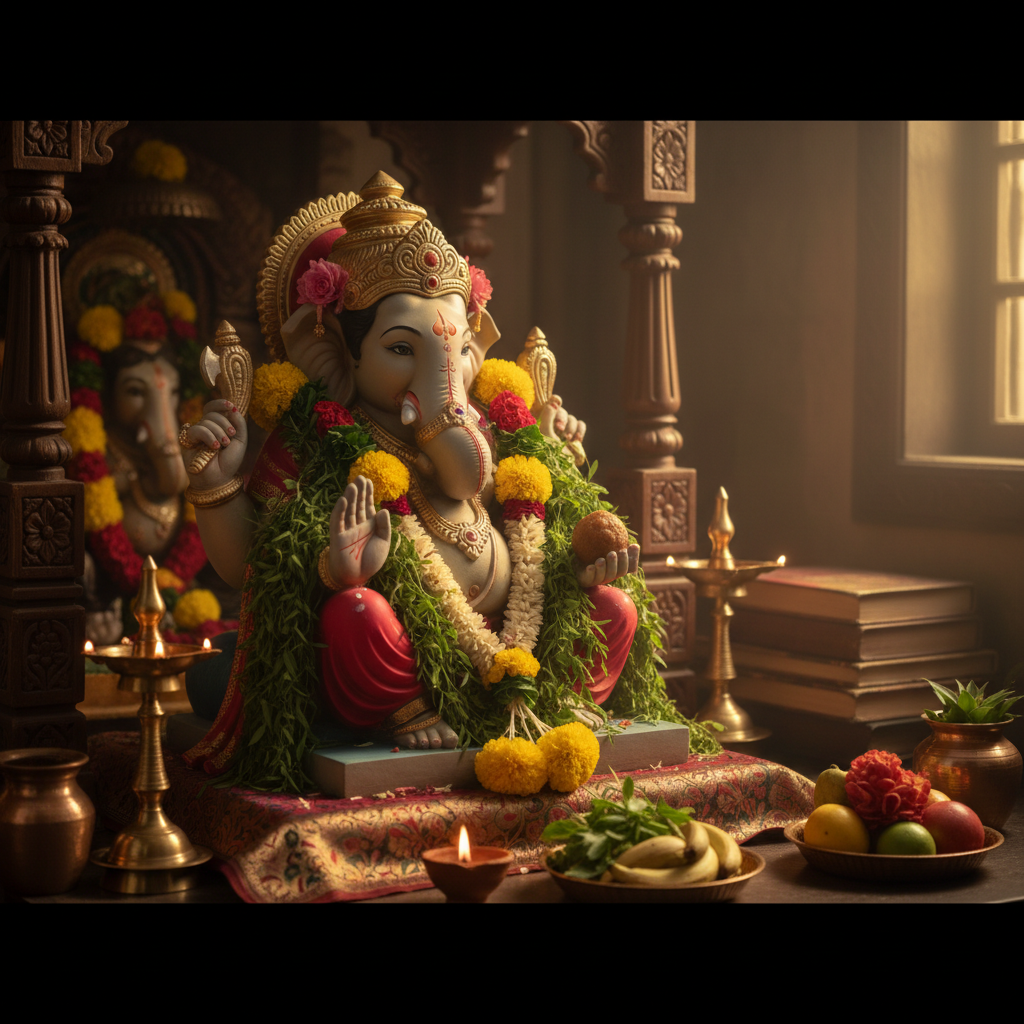
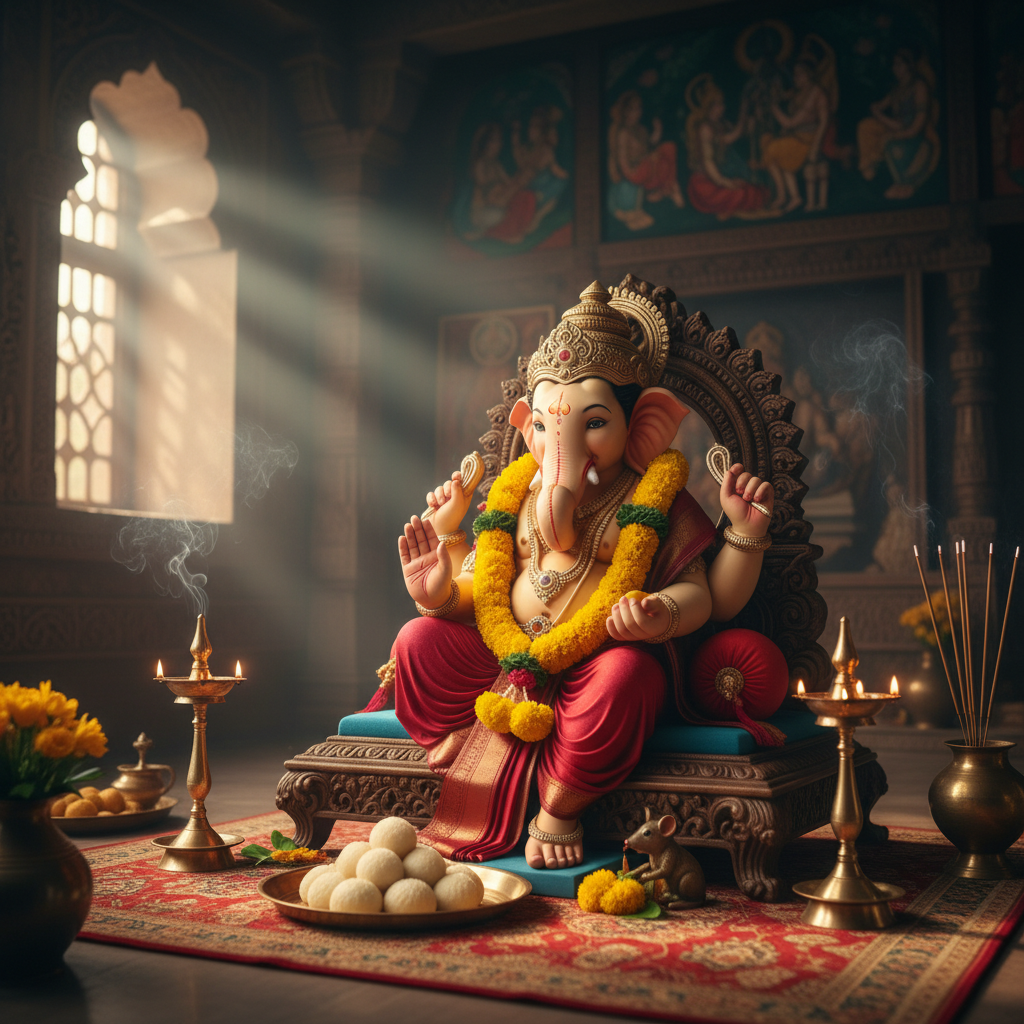
For generations before the public celebrations we recognise today, Ganesh Chaturthi was observed quietly within Maharashtrian homes. Families would bring a small clay idol of Ganesha into the house, worship him with simple daily rituals over a few days, and then carry him for immersion, all within the circle of family and close neighbours.
This home tradition remains alive and cherished even now, but alongside it grew something altogether different: a public, community-wide celebration that would eventually make Ganesh Chaturthi one of the most recognisable festivals in the country.
A Community Vision: Bringing Ganesha to the Public Square
Lokmanya Tilak, a respected public figure and social reformer from Pune, is widely remembered for encouraging communities to celebrate Ganesh Chaturthi together in public spaces rather than only within individual homes. Around 1893, this idea of a shared, public Ganeshotsav began taking shape in Pune, with community mandals installing large Ganesha idols in open spaces where everyone in the neighbourhood, regardless of background, could come together for darshan.
The intent behind this shift was simple and deeply community-minded: a festival that had been confined to individual households could become an occasion for collective devotion, where people from different walks of life stood together before the same beloved deity. Tilak's role in this is remembered today purely as that of a community organiser who saw shared devotion as a force capable of bringing people together.
Why This Shift Still Matters to Devotees
The move from home worship to public celebration carries a significance that devotees continue to feel today.
- It made darshan of Ganesha accessible to everyone in a neighbourhood, not only to those with the means or space to host an idol at home
- It created a shared occasion where cultural programmes, music and community activity could flourish alongside worship
- It gave rise to the mandal system, community groups that continue to organise celebrations to this day
- It transformed Ganesh Chaturthi from a household ritual into a symbol of collective devotion and belonging
How the Idea Spread Beyond Pune
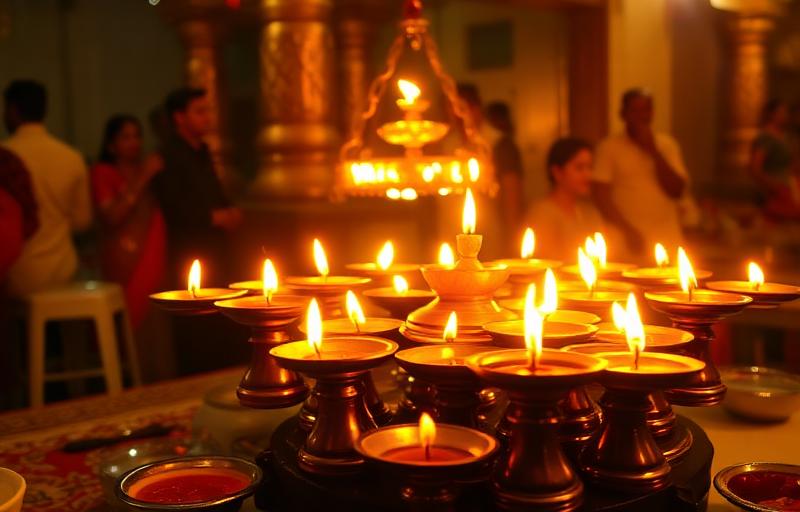
What began in Pune did not stay there for long. The idea of public Ganeshotsav mandals travelled quickly to Mumbai and other towns across Maharashtra, where it was embraced with equal, if not greater, enthusiasm. Mumbai's dense neighbourhoods and diverse communities gave the tradition fertile ground to grow, and mandals began forming in nearly every locality.
Over the following decades, this grassroots tradition kept expanding, each generation adding its own touch, from elaborate decorations to cultural competitions, while keeping the original spirit of shared, public devotion intact.
The Legacy That Lives On in Every Pandal
Today, thousands of public mandals across Maharashtra and beyond carry forward the same basic idea that took shape more than a century ago: that devotion is enriched when it is shared openly with the whole community. Every pandal, whether a modest lane-corner setup or a grand citywide attraction, traces its lineage back to this original community vision.
This legacy is visible each year not in grand monuments, but in ordinary neighbourhoods coming together, in volunteers giving their time, and in the simple sight of an entire community gathered before Ganesha, exactly as was first envisioned generations ago.
A Simple Lesson in Shared Devotion
The story of public Ganesh Chaturthi is, at its heart, a reminder that faith grows when it is opened up to others. What one community's vision began as a way to bring neighbours together in devotion has, over generations, become a tradition embraced across India.
Devotees today honour this legacy each year with the same joyful chant that echoes through every pandal, Ganpati Bappa Morya, and the simple prayer Om Gam Ganapataye Namah, carrying forward a spirit of togetherness that has never gone out of season.
Common Questions From Devotees
Who started the tradition of public Ganesh Chaturthi celebrations?+
The public celebration of Ganesh Chaturthi is closely associated with Lokmanya Tilak, a respected community leader from Pune, who encouraged neighbourhoods to celebrate the festival together in shared public spaces around 1893.
Why did Tilak encourage public celebrations of this festival?+
The idea was to make devotion to Ganesha a shared community experience, accessible to everyone regardless of background, rather than something confined to individual homes.
Is the home tradition of Ganesh Chaturthi still practised alongside the public one?+
Yes, many families continue to observe the home tradition of installing and worshipping a Ganesha idol privately, alongside taking part in their neighbourhood's public celebrations.
About the author
Pandit Mahesh Trivedi · Festival Traditions & Panchang
Pandit Mahesh leads the festival-date and Panchang content on Vandnaa. He cross-references multiple regional panchangs (Drik, Vaishnava, Bengali, Marathi) for every festival date published on the site.
Meet the Vandnaa editorial team →