Why Mahashivratri Is the One Night Shiva Is Closest to Earth
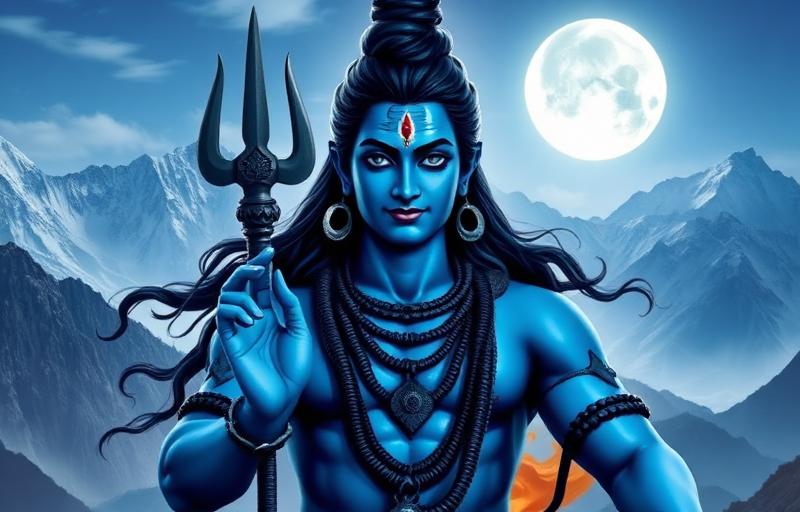
In a Hindu year there are 12 Shivratris (one every month, on the 14th night of Krishna Paksha). But one Shivratri is supreme - Mahashivratri, the great night of Shiva in the month of Phalgun.
Sages and yogis across 5,000 years have described this night as different: the planetary axis aligns such that there is a natural upsurge of spiritual energy in the northern hemisphere. The body's energies climb upward on their own. This is why wakefulness, chanting, and meditation on Mahashivratri night yield 1,000x the result of any other night.
The scriptures give multiple origin stories:
1. Shiva's wedding to Parvati happened on this night after Parvati's severe tapas. 2. The Samudra Manthan produced halahala poison - Shiva drank it on this night to save all existence, turning his throat blue (Neelkanth). 3. Shiva appeared as the Lingam - the first form of formless Brahman - on this night. 4. Shiva performed the Tandava - his cosmic dance of destruction and re-creation - at the Shivratri hour.
Mahashivratri 2026 falls on Sunday, 15 February 2026.
- Chaturdashi Tithi Begins: 10:12 AM, 15 February 2026
- Chaturdashi Tithi Ends: 8:44 AM, 16 February 2026
- Nishita Kaal (main puja - most powerful): 12:11 AM – 1:02 AM (16 Feb)
- Prahar 1 (sunset puja): 6:08 PM – 9:14 PM (15 Feb)
- Prahar 2: 9:14 PM – 12:21 AM
- Prahar 3: 12:21 AM – 3:27 AM
- Prahar 4: 3:27 AM – 6:34 AM (16 Feb)
- Parana (vrat breaking): 6:34 AM – 2:33 PM (16 Feb)
The unique ritual of Mahashivratri: 4-prahar puja - four separate pujas during the 12-hour night, each with specific offerings to Shiva.
🙏 Free 4-prahar puja reminder + Om Namah Shivaya audio in the Vandnaa App - never miss a prahar.
4-Prahar Puja Vidhi - Step by Step With Offerings for Each Prahar
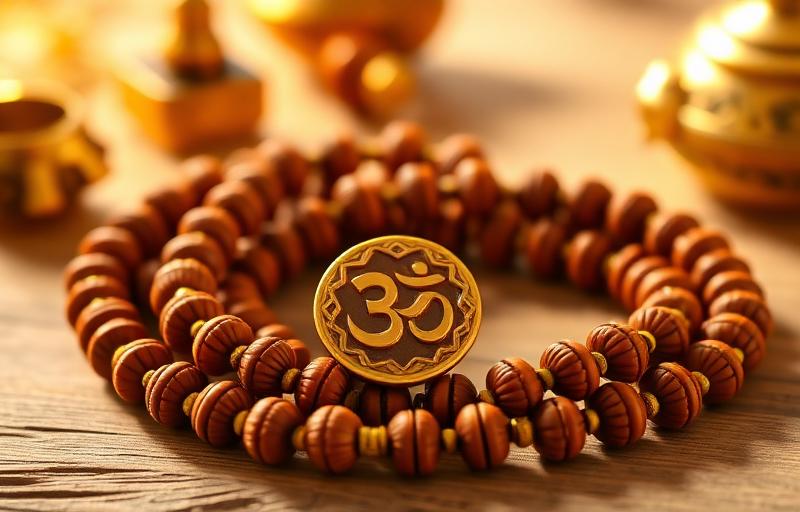
Unlike other festivals where one puja suffices, Mahashivratri requires four pujas across the night - one every three hours. Each prahar has a distinct offering. Missing a prahar weakens the vrat.
Common Items (for all 4 prahars):
- Shivling (or Shiva idol) - metal, stone, or crystal
- Bilva patra (bael leaves) - minimum 108
- Dhatura flower, white akshat
- Gangajal, raw milk, curd, ghee, honey, sugar (panchamrit)
- White flowers (never ketaki/kewda - forbidden for Shiva)
- Sandalwood tilak, bhasma (sacred ash)
- Dhoop/sandal agarbatti
- Bhang (optional - Shiva's traditional offering)
PRAHAR 1 (6:08 PM – 9:14 PM) - Abhishek with MILK Bathe the Shivling with raw cow milk. Offer 9 bilva patras and chant 108 times: 'ॐ नमः शिवाय॥' This prahar removes mental blocks and past karma.
PRAHAR 2 (9:14 PM – 12:21 AM) - Abhishek with CURD Bathe with fresh curd. Offer 27 bilva patras. Chant 108 times: 'ॐ नमो भगवते रुद्राय॥' This prahar removes ill health and disease. Best prahar for healing prayers.
PRAHAR 3 (12:21 AM – 3:27 AM) - NISHITA KAAL - Abhishek with GHEE This is the most powerful window of the entire night. At exactly 12:41 AM (midnight of Chaturdashi), Shiva's energy is at its absolute peak.
Bathe with pure ghee. Offer 54 bilva patras. Chant 108 times the Mahamrityunjaya Mantra: 'ॐ त्र्यम्बकं यजामहे सुगन्धिं पुष्टिवर्धनम्। उर्वारुकमिव बन्धनान्मृत्योर्मुक्षीय मामृतात्॥'
This prahar removes untimely death, serious illness, and moksha blockages. One focused jap here is worth 1,000 any other time.
PRAHAR 4 (3:27 AM – 6:34 AM) - Abhishek with HONEY + Dhatura Bathe with warm honey-water. Offer the remaining bilva patras and a dhatura flower. Chant 108 times: 'ॐ हौं जूं सः॥' (Mrityunjay Beej Mantra) This prahar grants siddhi, wealth, and spiritual attainment.
At 6:34 AM - Final Aarti: 'हर हर महादेव, जय शिव शंकर।' Perform the complete Shiv aarti. Offer final bhog (kheer or fruits).
Parana (breaking the fast): Only after sunrise + snan + one round of 'Om Namah Shivaya' 108 times. First food should be sattvik and satvik - fruits, milk, phalahar. No grain for the next 3 hours after breaking.
Mahashivratri Vrat Rules + 5 Most Powerful Shiva Mantras
The 24-hour Shivratri Vrat (most common form):
- Wake at 4 AM on 15 Feb. Bath with Gangajal-mixed water.
- Wear white, orange, or yellow clothes
- Take sankalp before a Shiv photo/ling: 'On this Mahashivratri I observe the vrat for moksha, health of my family, and Shiva's grace.'
- No food from sunrise on 15 Feb until sunrise on 16 Feb (nirjal if possible; phalahari otherwise - fruits, milk, sabudana, singhara)
- No onion, garlic, grain, salt (except rock salt), non-veg, alcohol
- Chant Om Namah Shivaya continuously throughout the day
- Visit a Shiva temple during daylight if possible
- Perform 4-prahar puja through the night
- No sleeping at night - jaagran is mandatory
- Break fast only after sunrise + final aarti + Shiva mantra
5 Most Powerful Shiva Mantras:
1. Panchakshari Mantra (most basic & most powerful): ॐ नमः शिवाय॥ 5 syllables. Chant 108 times per prahar (total 432 in one night).
2. Mahamrityunjaya Mantra (for health, protection from death): ॐ त्र्यम्बकं यजामहे सुगन्धिं पुष्टिवर्धनम्। उर्वारुकमिव बन्धनान्मृत्योर्मुक्षीय मामृतात्॥ 108 times in Nishita Kaal.
3. Rudra Gayatri: ॐ तत्पुरुषाय विद्महे महादेवाय धीमहि। तन्नो रुद्रः प्रचोदयात्॥ For inner transformation. 108 times during Brahma Muhurat.
4. Mrityunjay Beej Mantra: ॐ हौं जूं सः॥ 3 seed syllables with enormous concentrated power. For advanced sadhaks. 108 times in Prahar 4.
5. Shiva Panchakshara Stotra (first verse): नागेन्द्रहाराय त्रिलोचनाय भस्माङ्गरागाय महेश्वराय। नित्याय शुद्धाय दिगम्बराय तस्मै नकाराय नमः शिवाय॥ Recite once in each prahar - describes Shiva's five aspects.
Bilva Patra Rules (very important):
- Each bilva patra must have 3 connected leaves
- Do not pluck bilva on Monday, Chaturthi, Ashtami, or Chaturdashi - use leaves picked on previous days
- Sprinkle Gangajal on bilva before offering
- Leaves already offered to another Shivling are powerful - even re-offered, they retain their punya
- One bilva = one Rudrabhishek equivalent in effect
Rudrabhishek: The Most Powerful Shiva Puja You Can Do at Home

Rudrabhishek is not just a water-pouring ritual - it is the most comprehensive offering to Shiva that exists in the Vedic tradition. The word comes from Rudra (a fierce, transformative form of Shiva) + Abhishek (ritual bath/anointing).
What is offered in Rudrabhishek: The Shri Rudram (from Krishna Yajurveda) is chanted while 11 sacred substances are poured over the Shivling: 1. Jal (water) - purification 2. Raw cow milk - nourishment 3. Curd - prosperity 4. Ghee - radiance 5. Honey - sweetness and harmony 6. Sugar syrup - divine sweetness 7. Rose water - Shiva's delight 8. Gangajal - liberation 9. Panchamrit (milk + curd + ghee + honey + sugar) - complete blessing 10. Sugarcane juice - joy 11. Coconut water - purity and divine vision
Home Rudrabhishek (simplified for Mahashivratri): You do not need Vedic pujaris to do a meaningful Rudrabhishek. Here is the home version: 1. Set up a Shivling on a clean tray 2. Have all liquids in separate small vessels 3. Chant OM NAMAH SHIVAYA 108 times between each liquid offering 4. Pour each liquid slowly, from the north side, while chanting 5. After all offerings: apply bilva leaves, offer white flowers, light camphor 6. Conclude with Shiva aarti
Rudrabhishek timing on Mahashivratri: Best performed in Prahar 3 (Nishita Kaal) when Shiva's energy is at peak. But any prahar is effective.
Benefits of Rudrabhishek: Removes serious illness, family disputes, debt, blocked career, and is specifically mentioned in Skanda Purana for removing ancestral curses (pitru dosh).
🙏 Vandnaa App has the Shri Rudram and Chamakam in audio - the traditional Rudrabhishek accompaniment - available with lyrics for home practice.
12 Jyotirlingas and Which One to Visit First - Mahashivratri Travel Guide
Shiva promised: 'Whoever visits all 12 Jyotirlingas will be freed from the cycle of birth and death.' Here is the practical guide:
The 12 Jyotirlingas and their significance: 1. Somnath (Gujarat) - first and most ancient; Shiva as lord of the moon 2. Mallikarjuna (Andhra Pradesh, Srisailam) - Shiva + Parvati together, on a hill 3. Mahakaaleshwar (Ujjain, MP) - Shiva as Mahakal, lord of time 4. Omkareshwar (MP) - Shiva as OM, on an island shaped like the symbol 5. Kedarnath (Uttarakhand) - highest Jyotirlinga at 3,583 m elevation 6. Bhimashankar (Maharashtra) - Shiva who destroyed demon Tripurasura 7. Vishwanath (Varanasi, UP) - Shiva as lord of the universe; death at Kashi = moksha 8. Trimbakeshwar (Nashik, Maharashtra) - source of Godavari river; Kaal Sarp puja center 9. Vaidyanath (Deoghar, Jharkhand) - Shiva as divine physician 10. Nageshwar (Gujarat, Dwarka) - Shiva who protects from serpents (best for Kaal Sarp) 11. Rameshwaram (Tamil Nadu) - where Ram worshipped Shiva before Lanka; southernmost point 12. Grishneshwar (Ellora, Maharashtra) - near the Ellora caves
Mahashivratri darshan priority:
- If you can visit ONE jyotirlinga on Mahashivratri: Kashi Vishwanath (moksha at death, always), Mahakaaleshwar Ujjain (Mahakal - time itself, removes all delays), or the nearest to your location.
- Night darshan on Mahashivratri at any Jyotirlinga is said to equal 1,000 regular visits.
Virtual darshan: All major Jyotirlinga temples now have live darshan streams. Even watching the Mahashivratri puja live while chanting at home is deeply meritorious.
🙏 Vandnaa App has the Jyotirlinga Stotra (12 Jyotirlinga names and their significance) in audio - a must-listen on Mahashivratri.
Shiva for Modern Seekers: The Science of Shiva Sadhana
Shiva is the most scientific deity in all of Hindu tradition - because his domain is not belief but direct experience:
Why Shiva sadhana works differently:
- Most deities are approached for specific boons: Lakshmi for wealth, Saraswati for knowledge, Hanuman for protection
- Shiva is approached for transformation itself - you do not ask for a specific result; you ask for the dissolution of everything that blocks your highest state
- This is why Shiva worship is intense and requires some form of tapasya (austerity) - he does not give comfort; he gives clarity
The Shiva-Shakti principle: Shiva alone (without Shakti) is pure consciousness - aware, but unmanifest. Shakti alone is energy without direction. Together they create the universe. In practice: Shiva sadhana without grounding in dharmic action (seva, ethics) can create insights without integration. The balance is found in Ardhanarishvara - the half-Shiva, half-Parvati form.
Sadhguru's scientific frame (widely cited): The constellation Krittika (Pleiades) aligns with Shiva's Jyotirlinga exactly on Mahashivratri night - the natural upsurge of energy is measurable. He teaches that on this night, staying upright (seated, not lying down) allows the spinal energy to rise naturally - which is the basis of the jaagran tradition.
Practical Shiva sadhana for skeptics: You do not need to believe in Shiva to benefit from his practices:
- Physical: The Mahashivratri overnight fast + vigil is one of the most effective cleansing practices known - removing accumulated toxins from 12+ hours of no food + continuous chanting vibration
- Mental: Chanting Om Namah Shivaya continuously for 4+ hours enters a trance state that reduces cortisol (stress hormone) dramatically - measurable in lab settings
- Spiritual: The tradition says this night naturally thins the veil between waking and deeper states - experienced meditators often have breakthrough experiences on Mahashivratri without any additional effort
🙏 Start your Mahashivratri sadhana in the Vandnaa App - Shiva mantras, Rudrashatanam, and a complete night-vigil audio guide are all available offline.
After Mahashivratri: How to Carry the Grace Forward

The most common mistake after Mahashivratri: the sadhana stops on the 16th morning and life resumes as before. The tradition says the energy opened on Mahashivratri stays accessible for 11 days - if you maintain a bridge practice.
The 11-day bridge practice after Mahashivratri:
Days 1–3 (Feb 16–18): Rest and Integration
- Eat light, satvik food for 3 days
- Avoid angry conversations, strong emotions, excessive screen time
- Chant Om Namah Shivaya 108 times each morning
- Journal: what shifted in you during the night?
Days 4–7 (Feb 19–22): Deepen
- Add Shiva Stotra (Lingashtakam or Shiva Panchakshara) to morning practice
- Visit a Shiva temple once during this period
- Read one chapter from Shiva Purana or Skanda Purana
Days 8–11 (Feb 23–26): Establish
- Begin a daily Shiva practice that you will sustain for the full year: minimum 5 minutes with diya + Om Namah Shivaya 11 times
- Take one Shiva-aligned life decision this period - something dharmic you have been postponing
The annual Mahashivratri sadhana cycle: Many serious practitioners do a 40-day Shiva sadhana from Mahashivratri, ending on Rama Navami (April). This gives one complete cycle of transformation per year. It is intense but deeply effective.
Key principle: Every major Shiva festival opens a door. Whether you walk through it or walk past it depends on what you do in the 11 days after.
🙏 Vandnaa App will send you daily Shiva practice reminders for the 11 days after Mahashivratri - automatically, if you set the Mahashivratri reminder. No extra setup needed.
Quick Answers
Can I do Mahashivratri jaagran at home instead of a temple?+
Absolutely. Shiva is Bhola - the simplest god. He does not care where you worship. A clean corner of home with a small Shivling (metal, stone, or even a pebble), bilva leaves, and sincere chanting is enough. In fact, many sages have attained siddhi at home on Mahashivratri. Just ensure: no sleep, all 4 prahars observed, and Om Namah Shivaya chanted continuously. If possible, visit a Shiva temple once during evening for darshan - even a 10-minute visit doubles the merit.
Should I break the fast at midnight or only after sunrise?+
Strictly after sunrise on 16 Feb. Mahashivratri vrat is a 24-hour vow that deliberately includes the full night. Breaking at midnight (after the 4th prahar puja) is considered incorrect in the Skanda Purana. The correct parana is: sunrise (6:34 AM) + snan + 108 Om Namah Shivaya + final bhog (kheer/phalahar) + then break with fruits, milk, or sabudana khichdi. Grain and salt come only 3 hours after breaking.
Why is ketaki flower forbidden for Shiva?+
Scriptural story: once Brahma and Vishnu disputed over who was supreme. A flaming lingam appeared between them - Shiva's form. Both were asked to find its beginning and end. Vishnu went down as a boar (varaha), Brahma went up as a swan. Neither could find the limit. Brahma met a ketaki flower falling down, and lied to Shiva saying it had witnessed his beginning. Shiva punished Brahma (no temples for him on earth) and cursed the ketaki flower - forever banned from Shiva's worship. Since then, no Shivling accepts a ketaki.
About the author
Acharya Vinaya Kapoor · M.A. Sanskrit, Mantra & Stotra Studies
Acharya Vinaya holds an M.A. in Sanskrit from Banaras Hindu University and writes the mantra and stotra commentary on Vandnaa. Her focus is on accurate pronunciation, traditional context, and helping modern readers connect with classical texts.
Meet the Vandnaa editorial team →