Maihar Sharda Mata: A Hilltop Shrine That Transforms During Navratri
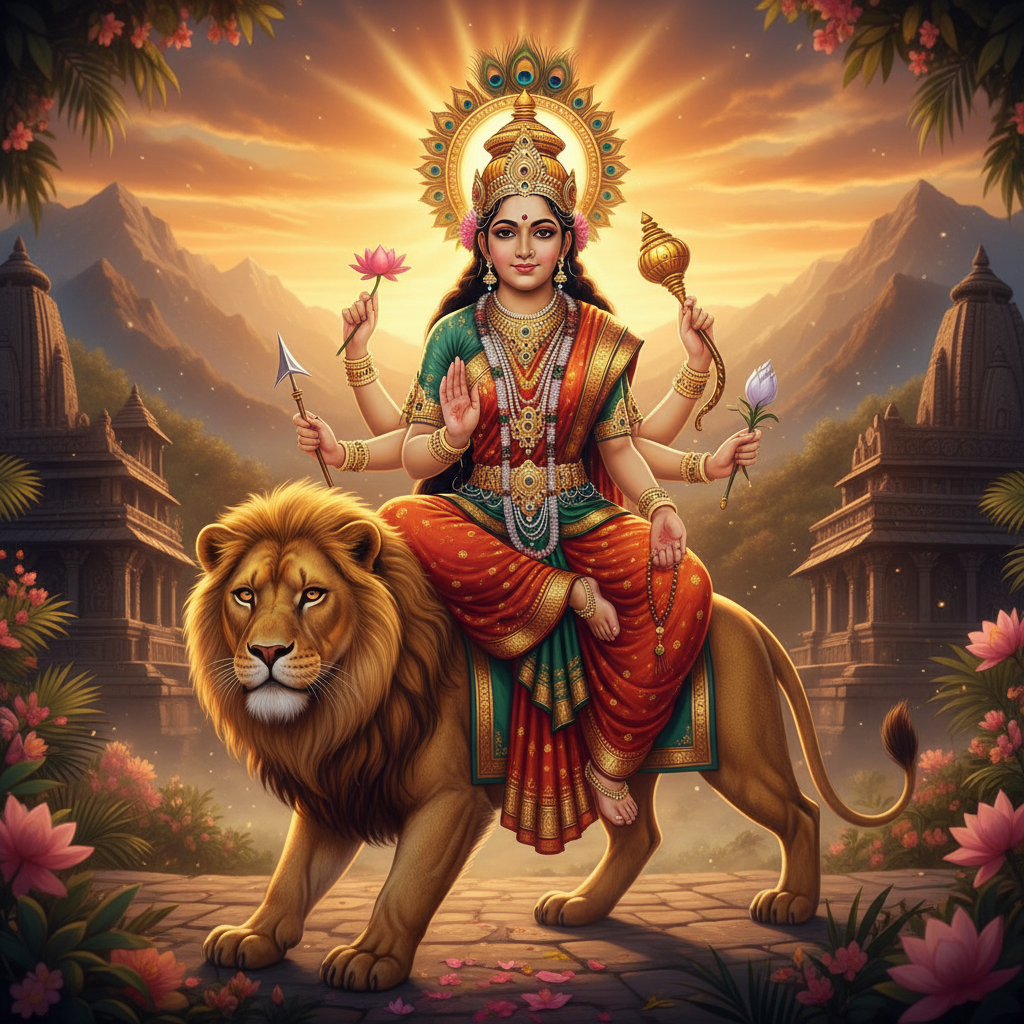
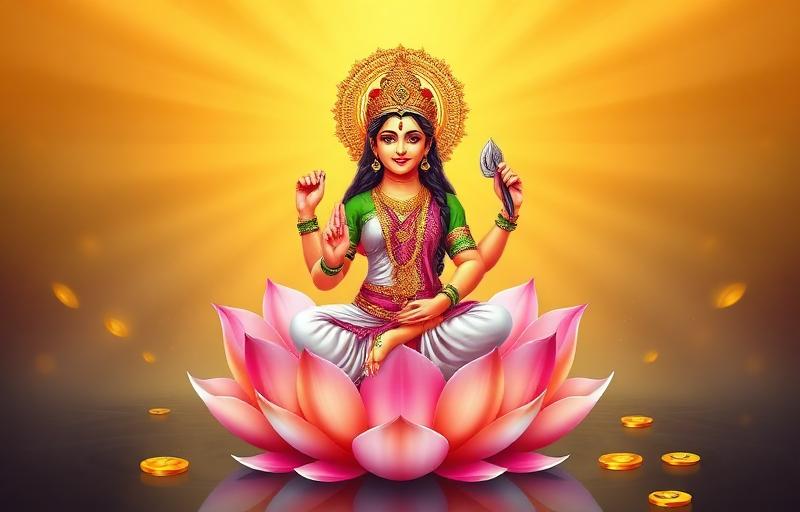
The temple of Maihar Sharda Mata sits atop the Trikuta hill in Maihar, Madhya Pradesh, dedicated to the goddess as a form of Sharda, the giver of knowledge and speech. Throughout the year the temple draws a steady flow of pilgrims, but during the nine nights of Navratri, it becomes the centre of one of central India's largest and most vibrant devotional gatherings.
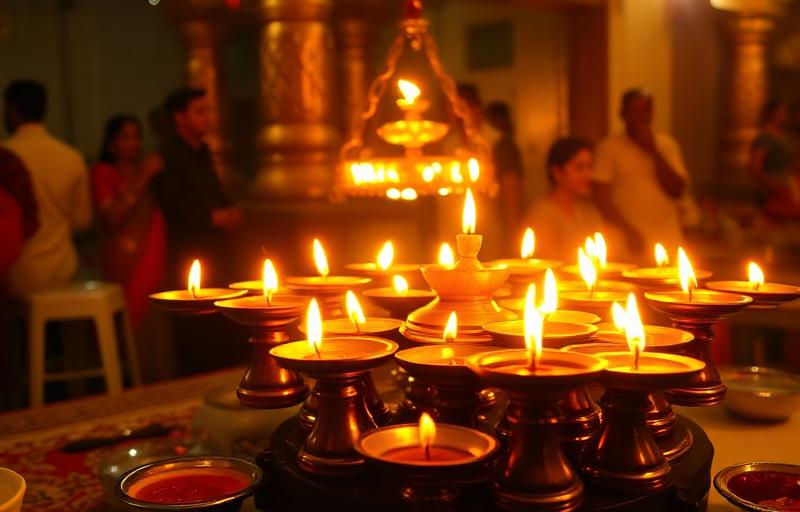
The hillside town below transforms for the mela, with rows of stalls, devotional music and an unbroken stream of pilgrims climbing toward the summit day and night, all drawn by faith in the Mother who resides there.
The Legend Behind Maihar's Sacred Hill
Maihar is counted among the sites associated with the Shakti Peethas, the places where, according to tradition, parts of Sati's body fell as Shiva carried her across the cosmos in grief. A necklace, or haar, is said to have fallen here, and local tradition holds this to be the origin of the town's name, Maihar, understood by some as derived from Mai ka haar, the Mother's necklace.
Generations of devotees have carried this legend forward, and the belief that the goddess personally resides on this hill is what draws such intense devotion during the Navratri mela each year.
Why the Navratri Mela at Maihar Draws Such Devotion
The mela is treated by devotees as an unmissable opportunity to seek the Mother's darshan during her most auspicious nine nights.
- Pilgrims undertake the climb up the hill, many barefoot, as an act of penance and devotion during the nine days
- Devotees light a jyot, a continuous devotional flame, in their homes or at the temple through the nine nights of Navratri
- Many devotees observe fasts through the mela period, breaking them only after receiving darshan
- The mela is also a time of community celebration, with music, bhajans and a shared sense of festivity across the pilgrim town
Mela Guide: Climbing to the Temple and Managing Crowds
Pilgrims can reach the temple by climbing the long flight of stone steps up Trikuta hill, or by taking the ropeway that carries devotees to a point closer to the summit, considerably reducing the climb. During the Navratri mela, both routes see very heavy crowds, and pilgrims are advised to start their climb early in the morning or late at night to avoid the busiest hours.
The temple authorities typically extend darshan hours through the mela period to accommodate the surge of devotees, though waiting times can still be long, especially on the most auspicious days of Navratri such as Ashtami and Navami.
How to Reach Maihar
Maihar has its own railway station on the main line connecting to major cities in Madhya Pradesh and beyond, making train travel the most common way for pilgrims to arrive, especially during the mela. The town is also connected by road to nearby Satna and Katni, with Khajuraho and Jabalpur among the nearest airports for those travelling from farther afield.
A Simple Prayer and the Takeaway
Devotees climbing to Maihar Sharda Mata during the mela often chant Om Sharadayai Namah ('salutations to Goddess Sharda') or the simple call Jai Mata Di, their voices joining thousands of others echoing up the hillside.
The Navratri mela at Maihar reminds devotees that devotion is often strengthened through shared effort and community. Every step taken up that hill in faith, alongside countless fellow pilgrims, is an offering of love, not a transaction.
Quick Answers
Why is the Navratri mela at Maihar so significant?+
Maihar is regarded as a Shakti Peeth site, and the nine nights of Navratri are considered the most auspicious time to seek the goddess's darshan, drawing lakhs of devotees to the hilltop temple.
What are the two ways to reach the temple?+
Pilgrims can either climb the stone steps up Trikuta hill or take the ropeway, which reduces the walking distance considerably, especially useful during the crowded mela period.
What is the belief behind Maihar's name?+
Local tradition connects Maihar to the Shakti Peeth legend, holding that a part of Sati's ornaments fell here, with the town's name understood by some devotees as derived from the Mother's necklace.
About the author
Pandit Mahesh Trivedi · Festival Traditions & Panchang
Pandit Mahesh leads the festival-date and Panchang content on Vandnaa. He cross-references multiple regional panchangs (Drik, Vaishnava, Bengali, Marathi) for every festival date published on the site.
Meet the Vandnaa editorial team →