The Day the Gods Wake Up
Makar Sankranti is the only major Hindu festival NOT determined by lunar tithi - it is determined by the Sun's entry into Capricorn (Makar Rashi). Per ancient cosmology, this is the start of Uttarayan (the sun's northward journey), which Hindu scriptures describe as the 'day of the gods' - a period of 6 months when divine beings are awake.
Makar Sankranti 2027 falls on Thursday, 14 January 2027. Across India it is celebrated as Pongal (Tamil Nadu), Lohri-eve (Punjab - Lohri is Jan 13), Bihu (Assam), Khichdi (UP-Bihar), and Sankranti (Maharashtra-Karnataka).
The festival marks 3 cosmic shifts simultaneously: (1) Surya enters Makar Rashi and starts Uttarayan, (2) longer days begin (winter solstice was 21 Dec), (3) the harvest of winter crops begins. Spiritually, it is the most powerful day of the year for Surya worship, Ganga snan, til-gud daan, and breaking of pitra dosh.
🙏 The Vandnaa App's Makar Sankranti module includes Surya Namaskar audio, the 12-name Surya stotra, and city-wise punya kaal timings.
Punya Kaal Timing & Best Snan Spots
📅 Sankranti Date: Thursday, 14 January 2027 🕒 Sankranti Moment (sun enters Makar): 2:48 PM, 14 January 2027 🌅 Punya Kaal: 6:39 AM – 5:24 PM (10 hours, 45 minutes) 🌅 MAHA Punya Kaal (most auspicious): 6:39 AM – 8:18 AM (first 1.5 hours after sunrise)
Snan + daan + mantra in Maha Punya Kaal = punya of doing the same act in any other punya kaal of the year × 1000.
Best Snan locations (in order of punya):
- Triveni Sangam, Prayagraj (during Magh Mela / Kumbh)
- Ganga at Haridwar, Varanasi, Patna, Garh Mukteshwar
- Yamuna at Mathura, Vrindavan, Delhi (Yamunotri)
- Godavari at Nashik
- Narmada at Omkareshwar, Maheshwar
- Krishna at Vijayawada, Pandharpur
- Sea-snan at Kanyakumari (where 3 oceans meet) - most powerful for South Indians
Home snan vidhi (if you cannot reach a river): Add 1-2 spoons of Ganga jal + a pinch of black sesame + 1 tulsi leaf to your bath bucket. While pouring, chant: 'Om Gange Cha Yamune Chaiva Godavari Saraswati, Narmade Sindhu Kaveri Jale-asmin Sannidhim Kuru.' This invokes the 7 sacred rivers.
Face east during snan. After snan, offer arghya (water from cupped palms) to Surya 3 times while chanting 'Om Suryaaya Namah'.
🌟 2027 Special - Maha Kumbh of Prayagraj: Prayagraj's next Maha Kumbh begins in 2025 and continues through 2026-27. Snan at Prayagraj on Makar Sankranti 2027 grants the punya of 100 Ashvamedha Yagnas per Markandeya Purana.
12 Surya Mantras for Makar Sankranti
Chant these 12 names while offering Surya arghya. One mantra per arghya = 12 arghya total. This is the traditional Surya Dwadasha Namavali.
1. Om Mitraaya Namah - To the Friend of all 2. Om Ravaye Namah - To the Brilliant One 3. Om Suryaaya Namah - To the Sun who removes darkness 4. Om Bhanave Namah - To the Illuminator 5. Om Khagaaya Namah - To the Sky-Traveller 6. Om Pushne Namah - To the Nourisher 7. Om Hiranya-garbhaaya Namah - To the Golden-Wombed creator 8. Om Marichaye Namah - To the Lord of Dawn 9. Om Aadityaaya Namah - To the Son of Aditi 10. Om Savitre Namah - To the Stimulator 11. Om Arkaaya Namah - To the One worthy of worship 12. Om Bhaaskaraaya Namah - To the Light-Maker
Bonus - Surya Beej Mantra (108x for special blessings): ॐ ह्रां ह्रीं ह्रौं सः सूर्याय नमः Om Hraam Hreem Hraum Sah Suryaaya Namah
Aditya Hridaya Stotra: This is THE most powerful Surya stotra (taught by Sage Agastya to Lord Rama before His battle with Ravana). Reciting it on Makar Sankranti morning gives 10x the punya of any other day. The full stotra has 31 verses; takes ~10 minutes. Available in Vandnaa App with audio.
Special chant when offering til-gud (sesame-jaggery): 'Til-gud ghya, god-god bola.' (Take the til-gud, speak only sweetly henceforth.) - A traditional Marathi blessing exchanged with elders, friends, and even past adversaries on this day.
Til-Gud Significance & 11 Items to Donate Today
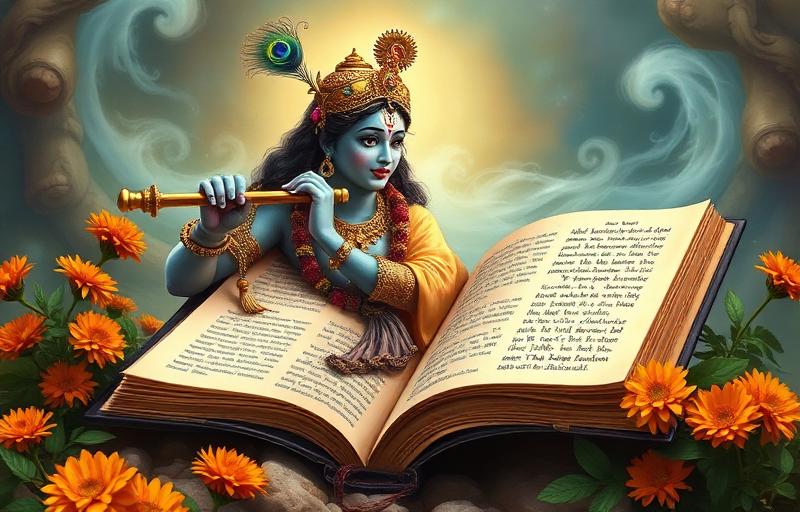
Why til (sesame) and gud (jaggery)?
- Til is associated with Lord Vishnu, Surya, and Pitru. Eating til on this day burns 7 lifetimes of sins (per Padma Purana). Black til specifically clears Pitra Dosh.
- Gud (jaggery) symbolises the warmth of accumulated good karma - bitter sugarcane juice transformed by long, slow heat into sweet golden jaggery. So too is human life.
- Together, til-gud combines the past (til = ancestors) with the future (gud = sweetness ahead). Eating them together reconciles your karma timeline.
Forms in which til-gud is consumed:
- Til-gud ke ladoo (most popular - north India)
- Tilkut (Bihar, Jharkhand)
- Pongal sakkarai (Tamil Nadu - rice + til + gud)
- Sankranti khichdi (UP - but the 'real' Sankranti dish is til-gud sweet)
- Til puli (Maharashtra)
- Yellu-bella (Karnataka - til, jaggery, peanuts, copra mixed)
11 Items to Donate (Maha Punya Kaal): 1. Til (raw black sesame) - most important, removes pitra dosh 2. Gud (jaggery) - sweetens karma 3. Khichdi (raw or cooked) - Indra's blessing for prosperity 4. Woolen blankets - winter protection daan 5. Warm clothes - for the elderly poor 6. Til oil (sesame oil) - for diya in temples 7. Cow ghee - Surya's favorite ghee for homa 8. Copper coin / utensil - Surya is associated with copper 9. Red flowers - to brahmins for evening puja 10. A blanket to a brahmin - pitra moksha guarantee 11. Cow daan (sponsoring goshala feed for one day) - biggest punya
Don'ts on Makar Sankranti:
- No haircut, nail-cutting, shaving (Sun's energy is being absorbed by body)
- No anger or harsh words (especially towards parents)
- No non-veg, alcohol, smoking
- No sweeping/mopping of puja room (sweep elsewhere is fine)
- Do not refuse til-gud from anyone (even adversaries) - this is the day to break old grudges
Makar Sankranti Across India: Pongal, Lohri, Uttarayan, and Regional Names
No festival in India demonstrates the country's cultural diversity quite like Makar Sankranti - the same astronomical event (the sun entering Capricorn) is celebrated with entirely different names, foods, and customs in different regions. Understanding these regional forms reveals how deeply Hinduism has woven itself into local culture across the subcontinent.
Tamil Nadu - Pongal: The most elaborate celebration of the solar New Year. Pongal is a four-day festival: Bhogi Pongal (day 1) involves burning old and unwanted items - a symbolic year-end cleaning. Surya Pongal (day 2) is the main day - rice and lentils are cooked in new clay pots in the open air, allowed to boil over (which is auspicious - the boiling over is the "Pongal!" cry of the festival). Mattu Pongal (day 3) honors cows - their horns are painted and they are worshipped with flowers and food. Kaanum Pongal (day 4) is for family reunions.
Gujarat - Uttarayan: Makar Sankranti in Gujarat is primarily the festival of kites. Millions of kite-flying enthusiasts gather on terraces and fields, and the sky fills with colorful kites. The tradition: fly your kite until it cuts another kite's string (using manja - abrasive string). The spiritual symbolism: the kite represents the soul reaching toward the sun (the divine), held by the string of karma. Cutting other kites represents liberation. Special foods: chikki (sesame and jaggery candy), ghughra (fried sweet dumpling), and undhiyu (a mixed vegetable dish cooked underground).
Punjab and Haryana - Lohri: Lohri technically falls the day before Makar Sankranti and is the bonfire festival of the Punjab. The harvest of winter crops is celebrated with song, dance (bhangra and gidda), and the offering of sesame, rewri (sesame candy), and popcorn to the bonfire. The traditional song "Sunder Mundriye Ho" tells the story of a folk hero who rescued girls from the Mughal governor - a story of courage and community solidarity.
Assam - Magh Bihu: The Assamese harvest festival (Bhogali Bihu / Magh Bihu) involves building temporary structures called Bhelaghar from bamboo and leaves, celebrating a grand community feast on the eve of the festival, then burning the structure the next morning - a ritual release of the old year.
Andhra Pradesh and Telangana - Sankranti: Three days of celebration: Bhogi (day 1, house cleaning and bon fire), Sankranti (day 2, main celebration with cattle puja and Pongal), and Kanuma (day 3, buffalo and cattle worship). The iconic Bhogi Pallu tradition: children are placed in grain baskets and have a mixture of Indian gooseberries (regi pallu), flower petals, and coins poured over their heads for blessings.
The common thread: Despite the different names and customs, all regional forms share the same core: honoring the sun's northward journey, celebrating the harvest, and marking a fresh beginning. The sun - Surya, the most visible manifestation of divine light - draws communities together across all cultural variations.
The Vandnaa app provides regional Makar Sankranti puja guides including Pongal vidhi, Uttarayan prayers, and special content for Lohri - respecting the diverse traditions of its users.
Makar Sankranti Special: Recipes for Til Gud, Chikki, and Traditional Sweets
"Til Gud Ghya, God God Bola" - Take sesame and jaggery, speak sweet words. This Marathi saying captures the spirit of Makar Sankranti food culture perfectly. The foods of this festival are not arbitrary - they are Ayurvedically precise for the season.
Why sesame (til) and jaggery (gud)? Makar Sankranti falls in mid-January - the coldest period of the year in North India. Sesame generates internal body heat (it is deeply warming in Ayurvedic energetics, with hot potency or "ushna virya"). Jaggery, made from raw sugarcane, contains iron, calcium, and magnesium, and provides slow-releasing energy for cold weather. Together, they represent the perfect winter nourishment - sweet warmth.
Til Ladoo (Sesame Balls): Ingredients: 2 cups sesame seeds (dry roasted until golden), 1.5 cups jaggery (grated), 2 tbsp ghee, 1/2 tsp cardamom powder, 1/4 tsp dry ginger powder. Method: Heat jaggery with 3 tbsp water until it dissolves. Cook until it reaches the soft ball stage (drop a little in water - it should form a soft ball). Add roasted sesame, cardamom, and dry ginger. Mix quickly. While still warm, grease your palms with ghee and roll into round balls. Allow to set. Makes approximately 20 ladoos.
Chikki (Sesame Brittle): Ingredients: 1 cup sesame seeds (dry roasted), 1 cup jaggery, 1 tbsp ghee. Method: Line a tray with greased parchment paper. Heat jaggery until it melts; cook to the hard crack stage (higher than ladoo stage - when you drop a small amount in water it becomes hard and brittle). Add sesame seeds and mix quickly. Pour onto the prepared tray. Flatten to 1/4 inch thickness with a greased spatula. Score into rectangles before fully cooled. Allow to set completely before breaking along score lines.
Khichdi (The Festival's Main Dish): Ingredients: 1 cup rice, 1/2 cup yellow moong dal, 2 tbsp ghee, 1 tsp cumin seeds, turmeric, salt, black pepper. Method: Wash rice and dal. Heat ghee, add cumin seeds. Add washed rice and dal with 4 cups water, turmeric, salt. Cook covered until soft and porridge-like. Finish with fresh ghee and freshly cracked black pepper.
Khichdi is Makar Sankranti's universal comfort food - simple, nutritious, and associated with the festival across regions. In many traditions, the first khichdi of the season is donated to the poor or prepared in excess and shared with neighbors.
Pongal (Tamil Sakkarai Pongal): Ingredients: 1 cup raw rice, 1/2 cup moong dal, 1 cup jaggery (dissolved in water), 1/4 cup ghee, cashews, raisins, cardamom, edible camphor (a tiny pinch). Method: Cook rice and dal together until very soft. Add jaggery syrup, mix well. Fry cashews and raisins in ghee; add to the pongal. Add cardamom and a tiny pinch of edible camphor (pachai karpuram). Serve warm.
The Vandnaa app provides these and other Makar Sankranti recipes with video demonstrations and regional variations - explore the full seasonal cooking tradition of this beloved harvest festival.
Spiritual Significance of Makar Sankranti: Uttarayana, Pitru Tarpan, and Liberation
Beyond its festive customs, Makar Sankranti carries some of the most profound spiritual significance in the Hindu calendar. The sun's entry into Capricorn marks the beginning of Uttarayana - the six-month period considered the most auspicious for spiritual liberation.
Uttarayana and Dakshinayana: The Hindu year is divided into two cosmic halves. Uttarayana (north-going sun, from Makar Sankranti to Karka Sankranti/Cancer) corresponds to the first half of the year; Dakshinayana (south-going sun) to the second. The Bhagavad Gita (Chapter 8) specifically states: "Those who know Brahman and die during the northward journey of the sun (Uttarayana) attain the highest light and are not reborn." This is why Bhishma - pierced by Arjuna's arrows at the battle of Kurukshetra - lay on his bed of arrows for months, refusing to die until Makar Sankranti arrived, so he could depart in the auspicious Uttarayana period.
Surya puja at the solstice: In ancient Vedic astronomy, Makar Sankranti was the winter solstice (the shortest day). Due to the precession of the equinoxes, the astronomical solstice and the astrological event have drifted apart, but the spiritual significance remains anchored to the date. Bathing in sacred rivers on this day and offering water to Surya is believed to confer extraordinary merit - equivalent to many years of regular worship.
Tarpan for ancestors on Makar Sankranti: This is one of the primary days for ancestral offering, second in importance only to Pitru Paksha. Performing Surya Tarpan - offering water to the sun while naming your ancestors - on Makar Sankranti is believed to liberate ancestors who have not been properly honored and to strengthen the lineage's positive karma.
Kumbh Mela connection: The Kumbh Mela, the largest human gathering on earth, always begins at Makar Sankranti. The first and most auspicious royal bath (Makar Sankranti Snan) at the Kumbh is the peak spiritual moment - millions enter the sacred confluence of rivers at this moment, believing that the combination of Uttarayana energy and the sacred water confers extraordinary liberation.
The sesame offering significance: Sesame (til) was born from Vishnu according to the Padma Purana - offering sesame seeds is therefore a direct offering to Vishnu. The combination of sesame and water offered to the sun on this day connects three cosmic principles: Surya (light, consciousness), Vishnu (sustainer, pervader), and Jala (water, the medium of all life).
Makar Sankranti for spiritual aspiration: For practitioners, this is the ideal day to begin a new sadhana (spiritual practice), set a new meditation intention, or commit to a practice for the duration of Uttarayana. The ancient teaching holds that practices begun in Uttarayana take root with unusual firmness.
The Vandnaa app provides Surya Tarpan mantras for Makar Sankranti, the Uttarayana Sankalpa guide, and Kumbh Mela information including the auspicious bathing dates.
Common Questions From Devotees
Why does Makar Sankranti always fall on January 14 (or sometimes 15) - not a lunar tithi?+
Because it tracks the Sun, not the Moon. Specifically, it marks the exact solar moment when Surya enters Makar Rashi (Capricorn). Due to a slight wobble in Earth's axis (axial precession), this moment shifts by about 1 day every 70-80 years. In ancient times Sankranti was on Dec 21-22 (winter solstice). Today it falls on Jan 14-15. By year 2400 CE it will fall on Jan 16. So the date is fixed by the universe's clock, not the calendar's.
Why are kites flown on Makar Sankranti?+
Kite-flying on Makar Sankranti has both health and spiritual reasons. Health: standing in the morning winter sun for hours absorbs Vitamin D and resets circadian rhythms after 6 months of dark winter. Spiritually, the rising kite symbolises the soul rising toward Surya - the divine source. In Gujarat, where kite-flying peaks (the famous Uttarayan festival), the sky becomes a moving prayer. The thread (manjha) connecting kite to flyer represents the soul's connection to the body - temporary but precious.
Is Pongal the same as Makar Sankranti?+
Pongal is the Tamil version of Makar Sankranti - same astronomical event, slightly different rituals. Pongal is celebrated for 4 days: Day 1 (Bhogi) - burning of old items; Day 2 (Surya Pongal - same as Makar Sankranti elsewhere) - the main day of cooking pongal rice in a clay pot in the open sun until it boils over (auspicious sign); Day 3 (Mattu Pongal) - worship of cattle who pulled ploughs all year; Day 4 (Kaanum Pongal) - family reunions. Both share the same Surya worship core. The dish 'pongal' (sweet rice with jaggery and ghee) is similar to north India's til-gud combination - sweet rice symbolises sweetened karma.
Can I do Makar Sankranti puja at home if I cannot reach a holy river?+
Absolutely. Most devotees do home puja. Add a few drops of Ganga jal to your bath bucket while chanting the Sapta-Nadi mantra (above) - this converts ordinary water into sacred water. After bath, face east, offer 12 arghya to Surya (cupped palms with water), recite the 12 Surya names, eat til-gud as prasad, and donate something to a needy person before noon. The bhaav (devotion) reaches Surya whether you stand in the Ganga or in your bathroom. NRIs and overseas Hindus do it this way every year successfully.
What is special about Makar Sankranti for those facing pitra dosh?+
Makar Sankranti is the SECOND-most powerful day for pitra dosh remedies after Pitru Paksha (Sept). Why? Because Uttarayan begins today - and ancient sages (most famously Bhishma Pitamah) chose to leave their bodies during Uttarayan to attain higher lokas. So today, the cosmic 'gates' between Earth and Pitru Lok are wide open. Black sesame daan, til-jal tarpan, and feeding 5 brahmins on Makar Sankranti grants 1 year of pitra shanti. Many families with confirmed pitra dosh do this annually - it complements the bigger Pitru Paksha rituals.
About the author
Acharya Vinaya Kapoor · M.A. Sanskrit, Mantra & Stotra Studies
Acharya Vinaya holds an M.A. in Sanskrit from Banaras Hindu University and writes the mantra and stotra commentary on Vandnaa. Her focus is on accurate pronunciation, traditional context, and helping modern readers connect with classical texts.
Meet the Vandnaa editorial team →Explore on Vandnaa
Related Articles
Pitru Paksha 2026: Date, Shraddh Vidhi, Tarpan Mantras & Why Your Ancestors Visit You for 16 Days
11 min read
Pitra Dosh: 10 Signs You Have It, 7 Real Causes & 9 Powerful Remedies (2026 Complete Guide)
12 min read
Ganga Saptami 2026: Date, Snan Muhurat, Mantras & Why a Single Dip Washes 7 Lifetimes of Sin
9 min read

Brahma Muhurat: What It Is, 11 Scientific Benefits & How to Wake Up at 4 AM Without Failure
9 min read