What Is Makar Sankranti and When Is It Celebrated
Makar Sankranti marks the sun's entry into the zodiac sign of Makara (Capricorn), and it is celebrated around the middle of January every year, usually on the 14th. It is one of the few Hindu festivals that follows the solar calendar rather than the lunar one, which is why its date stays fairly consistent year after year.
The festival marks the beginning of Uttarayan, the sun's northward movement, a period considered auspicious in Hindu tradition. Days grow longer from this point, and the festival is widely seen as a celebration of the sun, of the harvest, and of new beginnings.
What makes Makar Sankranti remarkable is that nearly every region of India celebrates this same solar event, but each community has given it its own name, its own rituals and its own flavour.
The Many Names of the Same Festival
Travel across India in mid-January and the same festival greets you under different names.
- In Tamil Nadu it is Pongal, a four-day harvest festival
- In Punjab, Lohri is celebrated the evening before, followed by Maghi
- In Gujarat and parts of Rajasthan it is Uttarayan, famous for kite flying
- In Assam it takes the form of Magh Bihu or Bhogali Bihu
- In West Bengal and Odisha it is Poush Sankranti, tied to the Poush month
- In Karnataka it is Suggi or Makara Sankranti, marked with ellu exchange
- In Kashmir it is known as Shishur Saenkraat
- In Uttar Pradesh and Bihar it is simply called Khichdi, named after the dish eaten that day
Each of these names reflects the local language and local customs, yet all of them honour the same sun and the same turning of the season.
The Story Behind the Festival
Hindu tradition holds Makar Sankranti in deep reverence because of its connection to Surya Dev, the sun god, whose worship is central to this day. It is also remembered through the story of Bhishma Pitamah from the Mahabharata, who, though wounded on a bed of arrows, chose to wait for Uttarayan before giving up his body, believing this period to be spiritually auspicious for departure.
The festival is also associated with Ganga, with many devotees taking a holy dip in sacred rivers on this day, especially at Prayagraj, Gangasagar and Haridwar, believing it purifies the mind and body and marks a fresh start.
Rituals and Regional Flavours
While the names differ, certain threads run common through most celebrations. Sharing til (sesame) and gud (jaggery) is one of the most widespread customs, with the popular saying "til-gud ghya, god god bola" in Maharashtra meaning "eat til-gud and speak sweetly."
Kite flying fills the skies of Gujarat and Rajasthan, cattle are worshipped and decorated in Assam and parts of the south, and bonfires are lit the evening before in Punjab as part of Lohri. Bathing in holy rivers, cooking khichdi, and visiting temples for Surya puja remain common across most regions, even as the specific customs vary from state to state.
Mantra and Bhog
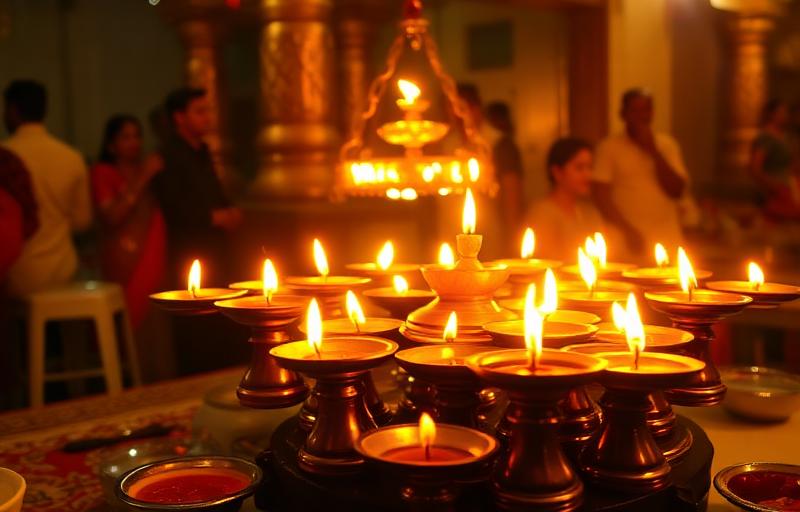
On this day, devotees offer prayers to Surya Dev, often chanting the simple mantra Om Suryaya Namah (salutations to the sun) or the more elaborate Om Ghrini Suryaya Namah, while offering water at sunrise.
The bhog varies by region but almost always centres on the new harvest: til-gud laddoos in Maharashtra and North India, sweet pongal made of new rice and jaggery in Tamil Nadu, chikki and til chikki in many households, and khichdi with ghee in the Gangetic plains.
One Sun, Many Celebrations
Makar Sankranti is a beautiful reminder that devotion takes as many forms as there are people to offer it. Whether it is called Pongal, Lohri, Bihu or Uttarayan, the heart of the festival stays the same: gratitude to the sun, respect for the harvest, and hope for the days ahead.
Worship is an act of faith and love, not a transaction, and this festival across its many regional names shows how that faith unites a diverse land under one sky and one sun.
Frequently Asked Questions
Why does Makar Sankranti have so many different names across India?+
Because India's states speak different languages and follow local customs, the same solar event of the sun entering Makara has been named and celebrated according to each region's own tradition, giving us Pongal, Lohri, Bihu, Uttarayan and more.
Is Makar Sankranti always on the same date?+
Makar Sankranti follows the solar calendar, so it usually falls around January 14 each year, though it can shift by a day depending on the precise timing of the sun's transit.
What is common to all the regional celebrations of Makar Sankranti?+
Across regions, the festival honours Surya Dev, celebrates the harvest, and often involves sharing til and gud, holy baths, and prayers for a fresh, auspicious start to the season.
About the author
Pandit Mahesh Trivedi · Festival Traditions & Panchang
Pandit Mahesh leads the festival-date and Panchang content on Vandnaa. He cross-references multiple regional panchangs (Drik, Vaishnava, Bengali, Marathi) for every festival date published on the site.
Meet the Vandnaa editorial team →