Who This Temple Is Dedicated To
Tucked into the Santa Monica Mountains near Calabasas, just inland from Malibu, California, stands a temple devotees simply call the Malibu Hindu Temple. Its formal name is the Sri Venkateswara Temple, and it shares its hillside campus with a second shrine, the Sri Vishwanatha Temple, dedicated to Lord Shiva. Together the two mandirs give devotees on America's West Coast a place to seek the blessings of both Vishnu and Shiva under one roof.
The temple's setting, ringed by dry chaparral hills that catch the golden light of Southern California evenings, has long reminded devotees of the hill shrines of South India, a quiet echo of home built thousands of miles away.
The History Behind Its Building
The temple was consecrated in the early 1980s, built through the devotion and donations of Southern California's growing Hindu community, many of whom had settled in Los Angeles and its surrounding valleys in preceding years. Traditional shilpis carved its stone deities and towers following shastric methods, giving the mandir an authentic, timeless character despite its comparatively young age.
Over the decades, the temple has expanded its halls and grounds to accommodate a devotee base that has grown many times over, remaining one of the principal Hindu pilgrimage points on America's West Coast.
Significance for Devotees
Devotees visit seeking Lord Venkateswara's blessings for prosperity and steady faith, and Lord Shiva's grace for inner peace and the letting go of what no longer serves them. Having both deities together on one hillside is seen by many as a rare and complete opportunity for worship, a single visit carrying the blessings devotees might otherwise seek at two separate pilgrimage sites in India.
As per tradition, families also come here for samskaras such as griha pravesh prayers, thread ceremonies and weddings, making the temple as much a part of everyday devotional life as a pilgrimage destination.
Darshan Timings and Festivals
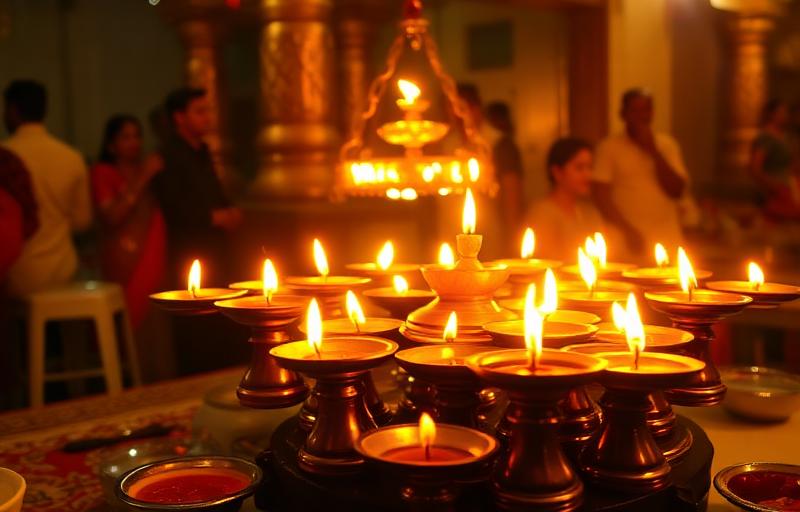
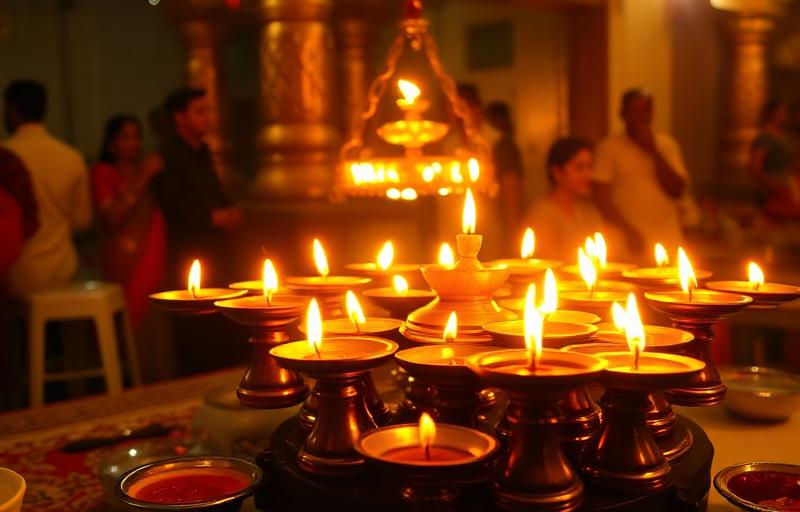
Both shrines follow a daily rhythm of abhishekam and aarti in the South Indian Agama tradition, with darshan open to visitors through the day. Maha Shivaratri draws large crowds to the Shiva shrine with night-long prayer, while Brahmotsavam and Vaikunta Ekadashi are major occasions at the Venkateswara shrine, alongside community-wide Diwali celebrations.
Visitors are welcome to join the aarti and can arrange abhishekam or archana sevas in advance, much as devotees do at temples across India.
How to Reach the Temple
The temple sits off Malibu Canyon Road in the hills near Calabasas, roughly an hour's drive from downtown Los Angeles depending on traffic. Los Angeles International Airport serves travellers arriving from elsewhere in the United States or abroad.
As the temple is set in a canyon area with winding roads, most devotees arrive by car, and the campus provides parking for regular darshan as well as the larger crowds that gather during festivals.
A Simple Mantra and the Takeaway
Before the Venkateswara shrine, devotees often chant "Om Namo Venkatesaya", salutations to the Lord, and before the Shiva shrine, the simple "Om Namah Shivaya", said to carry devotees through any hardship. Some pause between the two sanctums, letting the hillside quiet settle their minds before either prayer.
For a community that built its home on America's West Coast, this temple stands as proof that devotion adapts to any landscape while staying rooted in the same faith. Worship here, as everywhere, is an act of faith and love, not a transaction.
Frequently Asked Questions
Is the Malibu Hindu Temple the same as the Sri Venkateswara Temple?+
Yes, Sri Venkateswara Temple is its formal name; devotees commonly call it the Malibu Hindu Temple because of its location near Malibu, California.
Are both the Venkateswara and Shiva shrines open to all visitors?+
Yes, both shrines welcome visitors of all backgrounds who wish to offer prayers or simply view the temple's traditional architecture with respect.
What is the best time to visit the Malibu Hindu Temple?+
Devotees often prefer calmer morning hours for peaceful darshan, while Maha Shivaratri and Brahmotsavam are especially memorable occasions, though they draw larger crowds.
About the author
Pandit Ravindra Sharma · Vedic Rituals & Bhakti, 22+ years
Pandit Ravindra is the Vandnaa editorial team's resident specialist on aarti, chalisa, and daily devotion. He has performed home and temple pujas across Varanasi and Delhi for over two decades and contributes the bhakti-focused articles on this site.
Meet the Vandnaa editorial team →