Mangala Gauri of Gaya
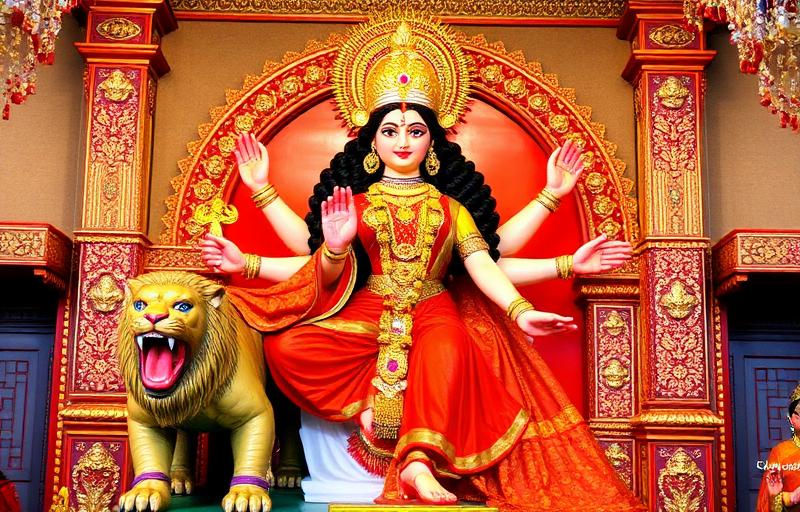
Atop a small hillock in the city of Gaya, Bihar, better known to many for the Vishnupad Temple and its rites for ancestors, stands the Mangala Gauri Temple, one of the important Shakti Peethas of eastern India. The Devi here is worshipped as Mangala Gauri, the auspicious, fair form of Devi Parvati.
Her name itself carries a blessing, Mangala meaning auspicious and Gauri meaning the radiant, fair goddess, and devotees believe that her darshan brings blessings of wellbeing into every part of life.
The Legend of the Shakti Peeth
Mangala Gauri Temple is counted among the Shakti Peethas linked to the katha of Sati and Lord Shiva. As per tradition, it is here that Sati's breast fell to the earth, consecrating this hillock as a seat of the Devi's nurturing, life giving power.
Reaching the temple requires devotees to climb a flight of stone steps up the hillock, a small journey of devotion that offers a view over the city of Gaya, a place already sacred in its own right as one of the most important pilgrimage centres in the Hindu tradition.
Significance and What Devotees Pray For
As Gauri is closely associated with marital harmony and the wellbeing of family, devotees pray at Mangala Gauri for auspiciousness in marriage, health and happiness within the household, and protection over their loved ones. As per tradition, her blessings are considered especially powerful for beginnings of every kind.
Many devotees combine their visit to Mangala Gauri with darshan at the nearby Vishnupad Temple, honouring both Devi and Lord Vishnu in a single pilgrimage, a reflection of how Gaya holds sacred significance across different strands of devotion.
Darshan Guide: Timings and Festivals

The temple follows a regular daily pattern of morning and evening aarti, with darshan available through the day for the devotees who climb the hillock. As timings can vary, it is wise to confirm locally, particularly during major festivals.
Navratri is celebrated with great devotion at Mangala Gauri, and the temple also sees a steady flow of visitors during the Pitru Paksha season, when Gaya fills with pilgrims performing rites for their ancestors at Vishnupad and nearby sites.
How to Reach Gaya
Gaya is a major city in Bihar, well connected to the rest of India. Gaya Junction railway station offers extensive connectivity, and the city also has its own Gaya Airport, one of the few airports in the state.
From the railway station or airport, local transport is readily available to reach Mangala Gauri Temple and the other sacred sites of the city.
Mantra to Chant and Takeaway
Devotees chant Om Mangala Gauryai Namah (salutations to Devi Mangala Gauri) while offering prayers on the hillock, seeking her auspicious blessings.
A climb to Mangala Gauri Temple, overlooking the ancient city of Gaya, reminds devotees that auspiciousness begins with sincere devotion. As with every Shakti Peeth across this sacred land, worship offered here is an act of faith and love, not a transaction.
What People Ask Most
Which body part of Sati fell at Mangala Gauri Temple?+
According to tradition, Sati's breast fell at this hillock in Gaya, making Mangala Gauri Temple an important Shakti Peeth of eastern India.
What do devotees pray for at Mangala Gauri Temple?+
Devotees pray for auspiciousness in marriage, health and happiness within the family, and protection for their loved ones, drawing on Gauri's association with marital harmony.
Can Mangala Gauri be combined with other pilgrimage sites in Gaya?+
Yes, many devotees combine their visit to Mangala Gauri with darshan at the nearby Vishnupad Temple, honouring both Devi and Lord Vishnu in a single pilgrimage to Gaya.
About the author
Pandit Ravindra Sharma · Vedic Rituals & Bhakti, 22+ years
Pandit Ravindra is the Vandnaa editorial team's resident specialist on aarti, chalisa, and daily devotion. He has performed home and temple pujas across Varanasi and Delhi for over two decades and contributes the bhakti-focused articles on this site.
Meet the Vandnaa editorial team →