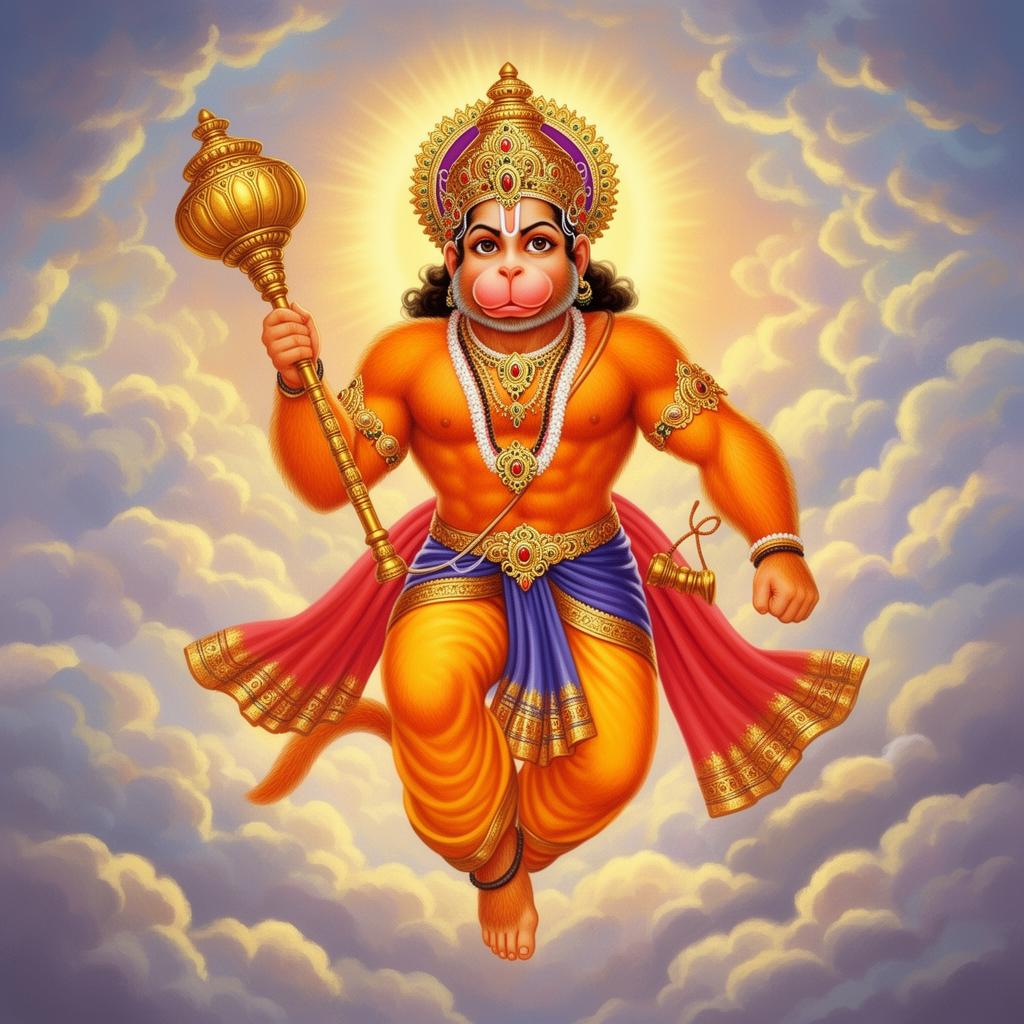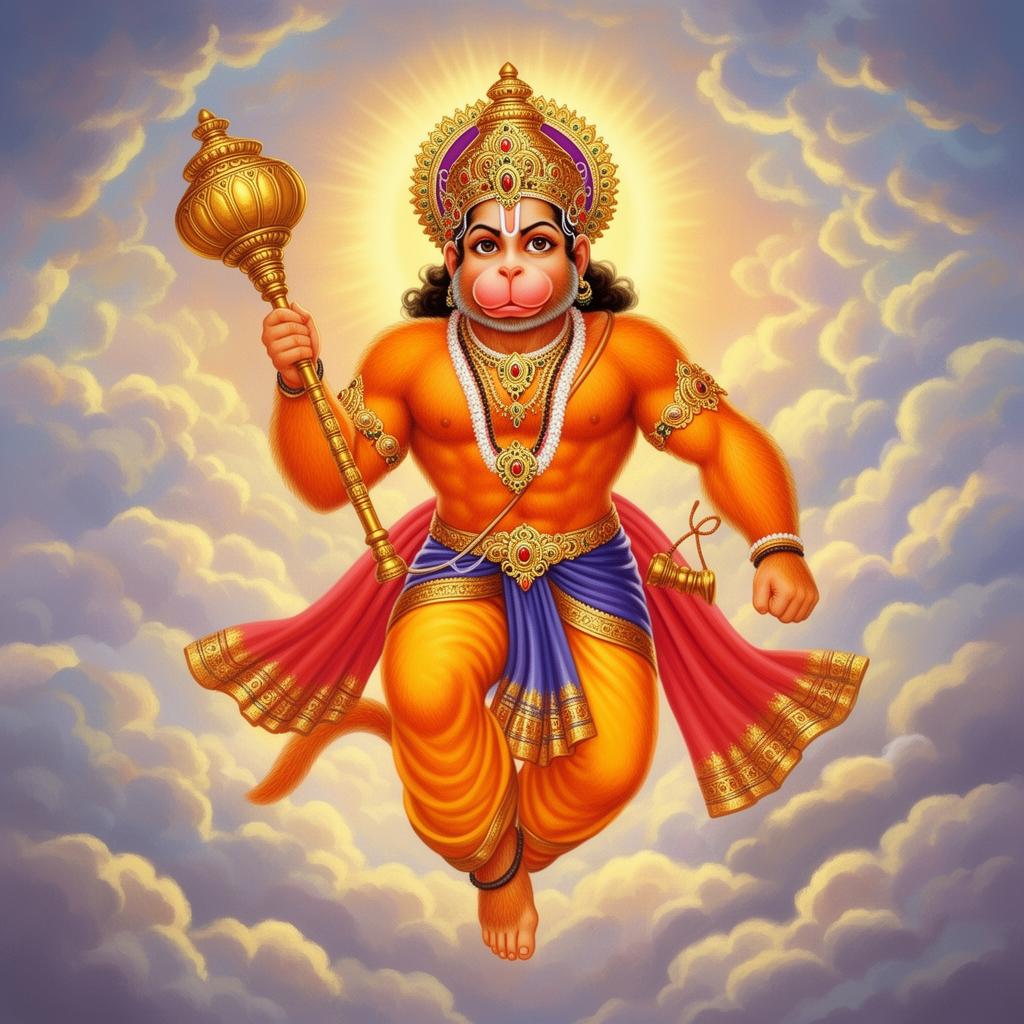
Why Tuesday Is Dedicated to Hanuman + Who Should Do This Vrat
Why Tuesday (Mangalwar) belongs to Hanuman:
In Vedic astrology, each day of the week is ruled by a planet:
- Sunday - Sun (Surya)
- Monday - Moon (Chandra)
- Tuesday - Mars (Mangal)
- Wednesday - Mercury (Budh)
- Thursday - Jupiter (Guru/Brihaspati)
- Friday - Venus (Shukra)
- Saturday - Saturn (Shani)
Mangal (Mars) governs Tuesday. Mars is the planet of:
- Courage and warrior energy
- Brotherhood and strength
- Blood, muscles, and physical vitality
- Land, property, and real estate
- Brothers, friends, allies
- Action, drive, ambition
Hanuman is the human embodiment of Mars's positive qualities. He represents courage without ego, strength used in service, brotherhood with Rama, action in dharma. Therefore Tuesday - Mars's day - is naturally Hanuman's day.
Who should observe Mangalwar Vrat:
1. People with Mangal dosh in their birth chart. Mars in 1st, 4th, 7th, 8th, or 12th house creates Mangal dosh - causing marital discord, accidents, conflicts. Mangalwar Vrat reduces this dosha significantly.
2. Unmarried people facing marriage delays. Especially women whose marriages keep getting delayed due to suspected Mangal dosh. The vrat is highly recommended before consulting astrologers.
3. People in debt or financial difficulty. Hanuman is known as 'Sankat Mochan' - remover of crises. Mangalwar Vrat specifically addresses material crises.
4. People with anger issues or aggression. Counter-intuitive but true - chanting and fasting for Mars (the planet of anger) helps channel its energy positively rather than destructively.
5. People with blood/cardiovascular issues. Mars governs blood. Many devotees report improved blood pressure, hemoglobin levels, and circulation after sustained Mangalwar Vrat.
6. Students, athletes, soldiers, surgeons. Anyone whose work requires courage, physical strength, decisive action benefits from Hanuman's grace.
7. People facing legal issues, court cases, conflicts. Hanuman is the protector who 'breaks bonds' - he is excellent for those entangled in disputes.
8. People troubled by negative energies, fears, nightmares. Hanuman is the most powerful protector against negative forces.
9. People who feel weak or fearful. Regular Hanuman worship gradually builds inner strength and confidence.
10. Anyone wanting Rama's grace. Hanuman is the gateway to Rama. 'Sri Rama is reached through Hanuman' - traditional saying. Devotion to Hanuman opens the door to Rama bhakti.
Who should NOT do this vrat:
- Pregnant women (fasting may stress fetus; can pray without fasting).
- Diabetic patients (food gaps risky; consult doctor).
- People on regular medications requiring food intake.
- Children under 12 (developing bodies need consistent nutrition).
- Elderly with weakness (modify - eat light vegetarian, skip the full fast).
For these groups: maintain the spiritual practices (mantras, temple visit, aarti) without the strict food fast. The intention matters most.
Complete Mangalwar Vrat Vidhi - Morning to Evening
Morning (4:30-7:00 AM):
1. Wake before sunrise. Take cold or warm water bath. 2. Wear red or orange clothes (Mars/Hanuman colors). Avoid black or grey. 3. Apply tilak of red sandalwood or sindoor on forehead. 4. Set up puja area facing east or north-east. Place Hanuman picture or idol. 5. Light a single mustard oil diya (sarson tel ka deepak) before the idol. Mustard oil is sacred to Hanuman; til (sesame) oil also acceptable. 6. Offer flowers: red hibiscus (gudhal) is Hanuman's favorite. Marigold (genda) also acceptable. 7. Offer prasad bowl: boondi laddoo, jaggery (gud), or whole bananas. Coconut also offered. 8. Chant 'Om Hanumate Namah' 108 times using a rudraksha or red coral mala.
Mid-Morning (8:00-11:00 AM) - Temple visit:
9. Visit a Hanuman temple if possible (especially powerful on Tuesday). 10. Offer sindoor (Hanuman is offered red sindoor mixed with mustard oil - this becomes thick paste applied to his body). 11. Tie a red sacred thread (mauli/kalava) around your wrist at the temple. 12. Donate to the temple - ideally something red (red cloth, red flowers, red prasad) or money for cow seva. 13. Read or recite Hanuman Chalisa - minimum 1 time, traditional is 11 times.
Afternoon (12:00-3:00 PM) - Fasting:
14. Eat only ONE meal during the entire day - typically lunch around 12-1 PM. 15. Allowed foods (satvik vrat food):
- Wheat (atta) chapati - NO besan (gram flour)
- Rice (limited)
- Curd, milk, butter, ghee, paneer
- Vegetables (NO onion, garlic, brinjal, mushroom)
- Fruits - any
- Boondi laddoo, halwa, kheer
- Coconut, dry fruits
- Saunf (fennel) water, ginger tea
16. STRICTLY AVOID:
- Meat, fish, eggs (always for vrat)
- Onion and garlic (rajasic foods)
- Black foods (urad dal, sesame seeds - inauspicious for Mars vrat)
- Alcohol, smoking, intoxicants
- Salt (some traditions; others allow sendha namak/rock salt only)
- Tamarind (sour foods avoided)
17. Drink water frequently - dehydration ruins fasting.
Evening (5:00-7:00 PM):
18. Light another diya in evening, facing west to acknowledge setting sun. 19. Recite Hanuman Chalisa in evening - powerful protection time. 20. Read Mangalwar Vrat Katha (story of the vrat - traditional poor man saved by Hanuman story). 21. Distribute prasad to family members and any beggars/needy people who come. 22. Sit silently 10 minutes meditating on Hanuman.
Night (8:00-9:00 PM):
23. Light evening meal if allowed - simple, ideally just milk + fruits, or laddoo + water. 24. Read Sundara Kanda (chapter 5 of Ramayana about Hanuman's journey to Lanka) - even 1 page is meritorious. 25. Sleep with Hanuman ji's image near pillow - protects from nightmares.
The 21-week vrat plan (most powerful):
The traditional Mangalwar Vrat lasts 21 consecutive Tuesdays. After 21 Tuesdays, you do an 'Udyapan' (concluding ceremony):
- Cook full satvik meal at home for 5-11 Brahmins or needy people.
- Donate red clothes, money, sindoor, oil.
- Visit Hanuman temple, perform special abhishek.
- Distribute boondi laddoo widely.
After Udyapan, you can continue Tuesdays as devotional choice (no fast required), or restart for another 21 weeks if you want deeper grace.
Reader Questions Answered
What is the Mangalwar Vrat Katha story - briefly?+
The classic story: A poor Brahmin and his wife had no children. They begged Lord Hanuman daily for a son. Hanuman appeared and granted the boon - the wife gave birth to a beautiful son they named Mangal. Years later, Hanuman appeared as an old sage testing them; the family showed full hospitality and devotion. Hanuman was pleased and revealed his form, blessing them with prosperity, long life, and good health for generations. The story teaches: sincere devotion to Hanuman on Tuesdays brings all worldly and spiritual blessings - especially for those struggling with childlessness, poverty, or family difficulties. Multiple versions exist; the core message is identical.
What if I miss a Tuesday during the 21-week vrat - do I need to restart?+
Traditionally yes - if you miss a Tuesday, you restart from day 1. The continuity matters spiritually. However, modern practical adaptations: (1) If you're unwell/in hospital, that's a valid exception - continue from next Tuesday without restart. (2) If you're traveling and can't do full vidhi, do at least Hanuman Chalisa + mantra japa (this counts). (3) If menstruation falls on Tuesday, traditional view: skip and restart. Modern view: continue, just skip the temple visit. The deeper principle: don't make the vrat a mechanical count - make it a steady spiritual flow. If your heart misses Hanuman, that's worse than missing one Tuesday.
Can married women do Mangalwar Vrat for husband's longevity?+
Absolutely yes - this is one of the most common reasons women do this vrat. Married women observe it for: (1) Husband's good health and longevity, (2) Removing marital discord, (3) Strengthening the bond, (4) Protection against accidents/illness for husband, (5) Birth of male child (in tradition; modern: birth of any healthy child), (6) Husband's success in career. The intention is set in morning prayer: 'I undertake this vrat for the welfare of my husband [name].' Many women maintain Tuesday vrat for years - some lifelong - and report deep effects on family wellbeing.
Should I take darshan of Hanuman ji's left shoulder or right shoulder direction?+
Approach from his left (your right when facing him). Stand slightly to the right of center as you face the deity. Don't stand directly in his line of sight - this is considered too forward for a devotee. Bow slightly with both palms joined. Don't touch the idol unless temple specifically allows (most don't). Offer your flowers and prasad in the priest's hand, not directly. Take parikrama (circumambulation) clockwise - 1, 3, 5, 7, or 11 rounds. Take 1 round at minimum even at small temples. When leaving, step backwards for the first 3 steps (don't turn your back to deity), then turn naturally. These small protocols enhance the energy reception during darshan.
About the author
Anjali Mehta · Editor, M.A. Religious Studies
Anjali is the managing editor for Vandnaa and oversees the festival and vrat coverage. She holds an M.A. in Religious Studies and reviews every published article for accuracy, accessibility, and tradition-fidelity.
Meet the Vandnaa editorial team →