The Sweet That Defines Ganesh Chaturthi
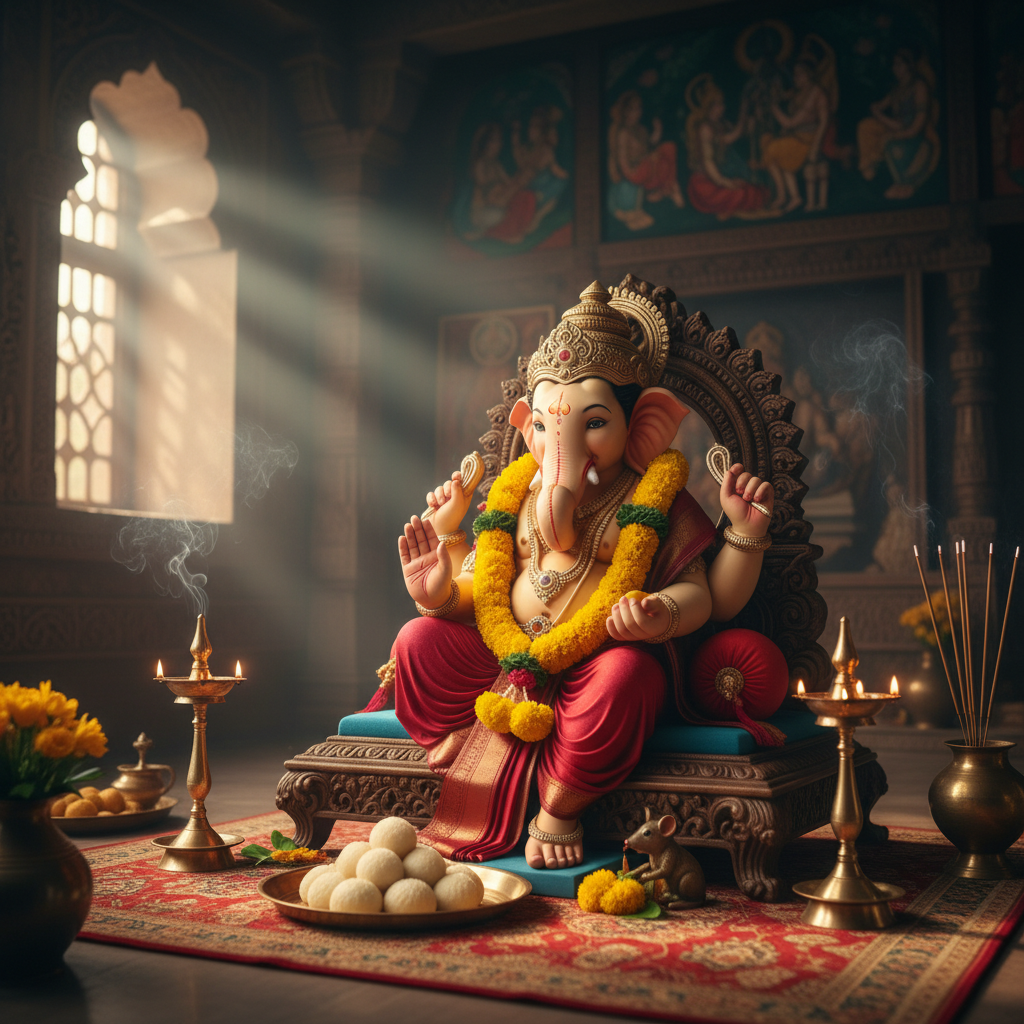
Walk into any home or pandal during Ganesh Chaturthi and one sweet is almost certain to be present: the modak, a small, dumpling-shaped delicacy with a soft outer covering and a sweet filling of jaggery and coconut. For devotees, modak is not just a festive treat, it is Ganesha's most cherished offering.
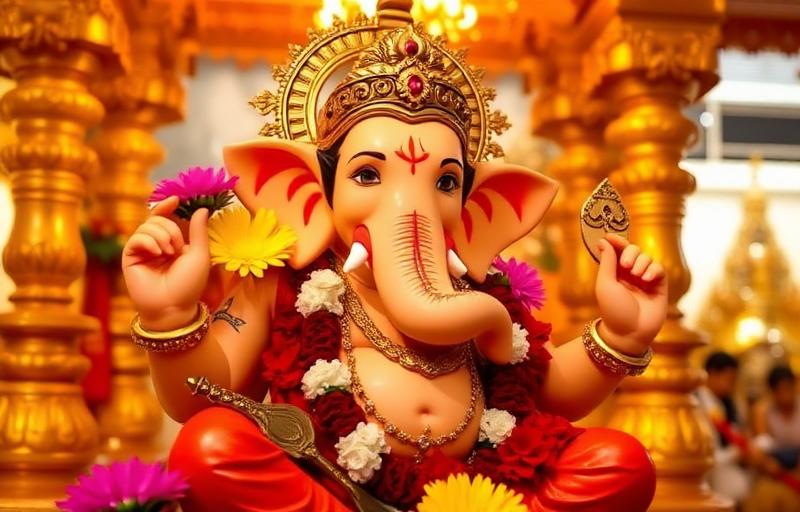
So closely is this sweet associated with Ganesha that many of his traditional images show him holding a modak in one hand, a detail devotees recognise instantly as a mark of his fondness for this offering.
The Stories Behind Ganesha's Fondness for Modak
Popular tradition holds many affectionate stories about Ganesha's love for modak, often describing him as unable to resist this particular sweet whenever it is offered with devotion. In some beloved tellings, his mother Parvati or other divine figures are said to have rewarded his wisdom and devotion with modak, cementing the sweet's place as his favourite treat.
Whatever the exact telling a family grows up with, the underlying idea remains the same across traditions: modak represents the sweetness of devotion itself, offered by a devotee and joyfully accepted by a beloved deity.
What Modak Represents in Worship
Beyond its taste, modak carries a devotional meaning that devotees hold close.
- It is offered as naivedya, food dedicated to the deity before being shared among family and devotees as prasad
- The two common varieties, the steamed ukadiche modak and the fried talniche modak, are both prepared with equal devotion depending on family tradition
- Modak is often offered in odd numbers, such as twenty-one, a customary practice followed in many households
- Preparing modak together as a family is, for many, as much a part of the festival's devotion as the worship itself
How Modak Is Prepared and Offered

The classic ukadiche modak is made from a soft rice-flour dough, carefully shaped into pleats around a filling of grated coconut and jaggery, then steamed until tender. Preparing this delicate shape well is considered by many home cooks to be its own small act of devotion, requiring patience and a gentle hand.
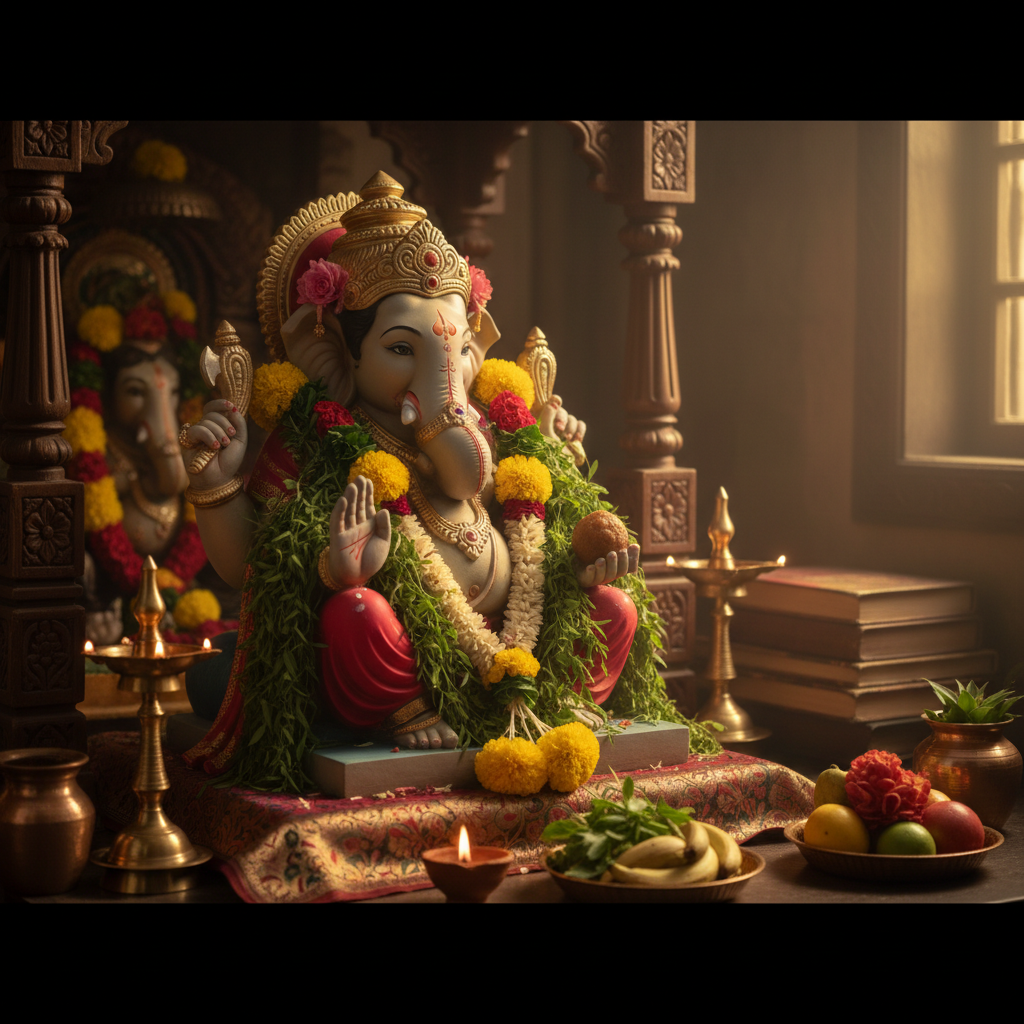
Once ready, modak is placed before Ganesha along with other simple offerings, and a portion is set aside as prasad to be shared with family, neighbours and visiting devotees, a small sweetness passed from the deity back into the community.
How Modak Changes Across Regions
While Maharashtra's ukadiche modak is the most widely recognised version, similar sweets appear in Ganesha worship across India under different names. In Tamil Nadu and Karnataka, kozhukattai serves a nearly identical role during Vinayagar Chaturthi, while parts of Andhra Pradesh and Telangana prepare their own versions with local variations in filling and shape.
Despite these regional differences, the underlying devotion remains the same everywhere modak or its regional cousins are offered, a sweet, humble gift given with love to a deity known for his own simplicity and warmth.
A Small Sweet, a Large Devotion
Modak reminds devotees that the grandest devotion often comes in the simplest form. A humble sweet, made with patience and offered with love, carries the same weight as any elaborate ritual when given with a sincere heart.
As families place modak before Ganesha each day of the festival, they offer along with it the simple prayer Om Gam Ganapataye Namah, trusting that this small, sweet gesture carries their devotion straight to him.
Common Questions From Devotees
Why is modak considered Ganesha's favourite sweet?+
Popular tradition describes Ganesha as especially fond of modak, and many stories and images show him holding or enjoying it, making it his most closely associated offering.
What is the difference between ukadiche and talniche modak?+
Ukadiche modak is steamed and has a soft rice-flour covering, while talniche modak is fried, giving it a crisper texture, and families choose between them based on their own tradition.
Why are modaks sometimes offered in a specific number like twenty-one?+
Offering modak in odd numbers such as twenty-one is a customary practice in many households, though families ultimately follow whatever number their own tradition observes.
About the author
Pandit Mahesh Trivedi · Festival Traditions & Panchang
Pandit Mahesh leads the festival-date and Panchang content on Vandnaa. He cross-references multiple regional panchangs (Drik, Vaishnava, Bengali, Marathi) for every festival date published on the site.
Meet the Vandnaa editorial team →