What Is Nitya Karma?
Nitya karma means the daily duties - the regular acts of purity, prayer and worship that the tradition recommends every single day, as opposed to occasional (naimittik) rituals done only on special occasions.
The heart of nitya karma is simple: begin the day clean in body and mind, remember the divine before the world's noise begins, and offer the first hours to God. Done daily, it steadies the mind, brings discipline and keeps devotion alive as a living habit rather than something we remember only on festivals.
Step 1 - Waking & Snan (Brahma Muhurat)
1. Wake in brahma muhurat: The roughly 96 minutes before sunrise (around 4:00-5:30 am) are considered the most sacred and peaceful time, ideal for prayer and study. 2. Karadarshan: On waking, look at your palms and recite the morning verse remembering Lakshmi, Saraswati and Govind, and the Earth as mother before stepping down. 3. Cleanse: Attend to nature's call, brush, and complete morning ablutions (shaucha). 4. Snan (bath): A morning bath is the heart of nitya karma. While bathing, many remember the holy rivers - Gange cha Yamune chaiva... - inviting their purity into the water. 5. Clean clothes: Wear fresh, preferably washed clothes for worship. Cleanliness of body is seen as the doorway to purity of mind.
Step 2 - Sandhya Vandan & Surya Arghya
After the bath comes the prayer at the junction of night and day:
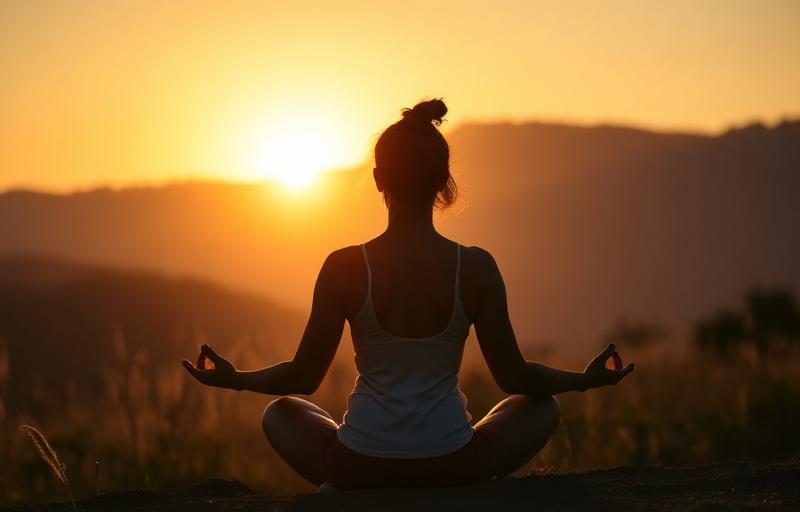
1. Achaman & pranayama: Sip water for purity and take a few slow breaths to settle the mind. 2. Sandhya vandan: The traditional twilight prayer, including the Gayatri mantra (Om Bhur Bhuvah Svah...), chanted facing east. Even a few rounds done with focus carry great merit. 3. Surya arghya: Offer water (arghya) to the rising sun from a small vessel, letting it fall through the morning light. Many add Om Suryaya Namah or the Surya mantras. 4. Surya namaskar: Where one is able, the twelve postures with their mantras are a beautiful way to greet the sun and ready the body for the day.
This step links the worshipper to the cosmic order, greeting the day's first light with gratitude.
Step 3 - Daily Puja & Adapting to Modern Life
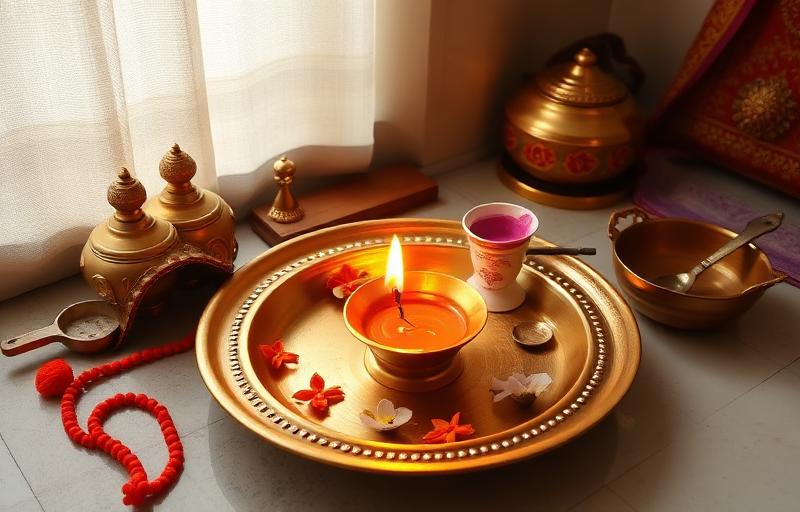
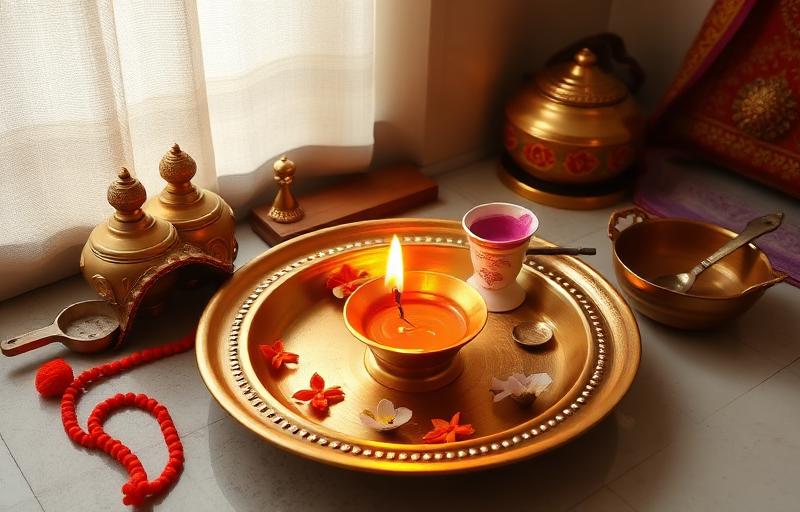
1. Puja at the home altar: Light the diya and incense, offer water, flowers, akshat and chandan, do a short jaap of your ishta mantra, and conclude with aarti and pranam. 2. Reading or meditation: A few minutes of a stotra, the Gita, or quiet meditation seals the morning in peace. 3. Bhog & prasad: Offer a little food or fruit and take it as prasad.
Adapting it to a busy day:
- Cannot wake at brahma muhurat? Wake as early as you reasonably can and keep the sequence.
- Short on time? Even snan, a Gayatri chant, lighting the lamp and a one-minute aarti is a complete nitya karma in miniature.
- The order can flex, but try never to skip the bath before puja and the morning remembrance.
The spirit of nitya karma is not rigidity but rhythm - a steady daily anchor that turns every morning toward the divine.
Common Questions From Devotees
What is brahma muhurat and why is it special?+
Brahma muhurat is the period of roughly 96 minutes before sunrise (around 4:00-5:30 am). It is traditionally considered the most peaceful and sattvic time, ideal for prayer, meditation and study, as the mind is calm and the surroundings quiet.
What is the order of morning nitya karma?+
Wake in brahma muhurat and do karadarshan, attend to ablutions, take a snan (bath), perform sandhya vandan with the Gayatri mantra and offer surya arghya, then do the home puja and a little reading or meditation before beginning the day.
I cannot wake up so early. Can I still do nitya karma?+
Yes. Brahma muhurat is the ideal, not a strict rule. Wake as early as you reasonably can, and keep the sequence of bath, prayer and puja. A short, sincere routine done daily is far better than a long one done rarely.
What is the simplest morning prayer to start with?+
The Gayatri mantra ('Om Bhur Bhuvah Svah...') is the heart of morning prayer. Offering arghya to the rising sun with 'Om Suryaya Namah' and lighting a lamp before your deity is a beautiful, simple way to begin daily nitya karma.
About the author
Pandit Mahesh Trivedi · Festival Traditions & Panchang
Pandit Mahesh leads the festival-date and Panchang content on Vandnaa. He cross-references multiple regional panchangs (Drik, Vaishnava, Bengali, Marathi) for every festival date published on the site.
Meet the Vandnaa editorial team →