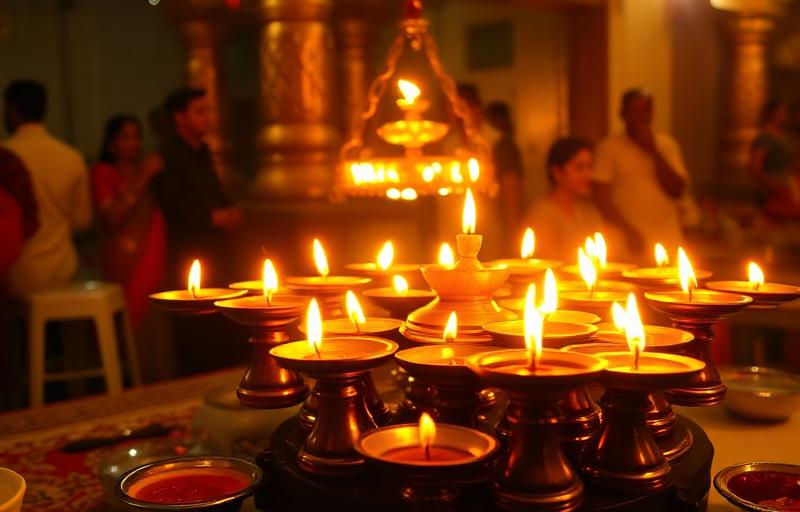
A Temple Beside the Sacred Springs of Keerimalai
At the northernmost tip of Sri Lanka's Jaffna peninsula, Naguleswaram Temple stands close to Keerimalai, a spot known for its natural freshwater springs that rise near the coast, remarkably close to the sea. This Shiva shrine, one of the island's Pancha Ishwaram temples, has for centuries drawn devotees who come both for darshan and for a ritual dip in these springs, believed to carry healing and purifying qualities.
The temple's setting, at the very edge of the island where land, spring and sea meet, gives it a distinct and tranquil character among Sri Lanka's Shiva shrines.
The Legend Behind the Temple's Name
Tradition connects the temple's name to a katha of a sage who is said to have been cursed to bear the face of an animal, and who found relief and restoration after bathing in the Keerimalai springs and worshipping Shiva at this site. Naguleswaram is understood by devotees to reflect this legend of healing granted through Shiva's grace.
This story is one reason the springs at Keerimalai continue to be regarded as sacred in their own right, visited by devotees seeking not only physical relief but the deeper blessing of being restored through devotion.
Significance for Devotees
Naguleswaram holds a special place among the Pancha Ishwaram as the northernmost of the five, marking the far edge of this ancient chain of Shiva shrines.
- Devotees take a ritual dip in the Keerimalai springs before darshan, following long-held custom
- Pilgrims seek Shiva's blessing for healing and relief from long-standing troubles
- The temple is an important stop for those completing the full Pancha Ishwaram pilgrimage
- Local devotees from the Jaffna peninsula visit regularly, keeping the temple's daily worship alive
Darshan Guide and Festivals

The temple follows a regular daily schedule of pooja, and many devotees begin their visit at the springs before proceeding to the sanctum for darshan. Maha Shivratri is observed with special devotion, and the temple also sees increased footfall during other significant days in the Shaiva calendar.
Early morning visits are popular, both for a quieter darshan and for a peaceful dip in the springs before the day grows warm.
How to Reach Naguleswaram Temple
Keerimalai and Naguleswaram Temple lie a short distance from Jaffna town, at the northern edge of the Jaffna peninsula, and are reachable by local road transport. Jaffna itself is connected to the rest of Sri Lanka by road and rail, as well as domestic flights from Colombo.
Pilgrims often combine a visit here with the well-known Nallur Kandaswamy Temple and other shrines within the Jaffna peninsula.
Mantra to Chant and the Takeaway
Devotees at Naguleswaram often chant Om Namah Shivaya both at the springs and within the sanctum, treating the entire visit as one continuous act of purification and prayer. The temple's legend of healing through devotion offers a gentle reminder that faith and patience together can restore what feels broken.
A visit here, like at every sacred site, is an act of faith and love, not a transaction, carried out in the same spirit of quiet trust that shaped this shrine's ancient story.
Reader Questions Answered
Why do devotees bathe in the Keerimalai springs before visiting Naguleswaram?+
Tradition holds that the springs carry healing and purifying qualities, connected to a legend of a sage restored after bathing here, and devotees follow this custom before darshan.
Is Naguleswaram part of the Pancha Ishwaram?+
Yes, it is the northernmost of the five ancient Pancha Ishwaram Shiva temples of Sri Lanka.
Can Naguleswaram be visited along with other Jaffna temples?+
Yes, many pilgrims combine this visit with the Nallur Kandaswamy Temple and other shrines within the Jaffna peninsula.
About the author
Pandit Ravindra Sharma · Vedic Rituals & Bhakti, 22+ years
Pandit Ravindra is the Vandnaa editorial team's resident specialist on aarti, chalisa, and daily devotion. He has performed home and temple pujas across Varanasi and Delhi for over two decades and contributes the bhakti-focused articles on this site.
Meet the Vandnaa editorial team →