What Is Narayani Stotram
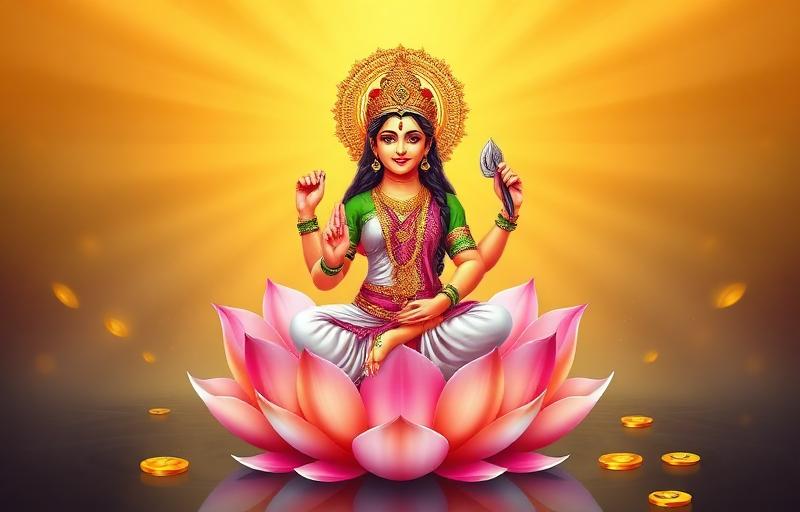
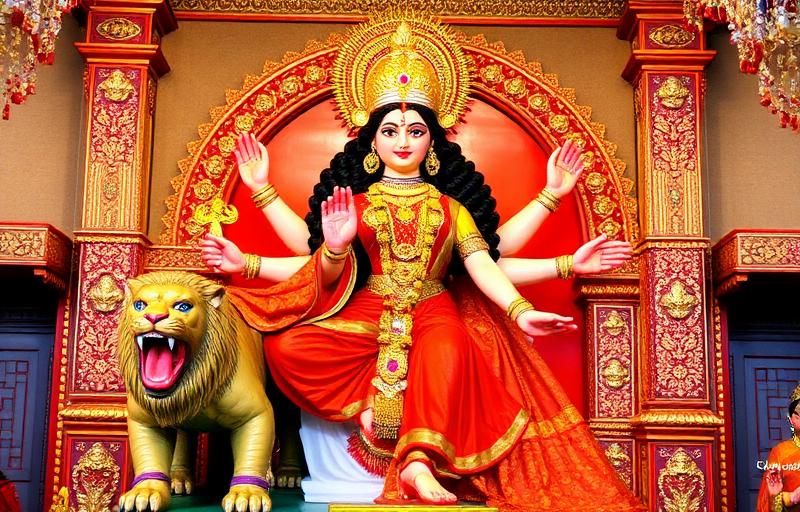
Narayani Stotram, also called Narayani Stuti, is a hymn found in the eleventh chapter of the Devi Mahatmya, part of the Durga Saptashati, one of the most important scriptures of Goddess worship. It is sung by the assembled gods in praise of the Goddess after she manifests to destroy the demons Shumbha and Nishumbha, restoring balance to the universe.
This hymn contains some of the most widely known and beloved verses in all of Devi worship, the 'Ya Devi Sarvabhuteshu' verses, which describe the Goddess as present within every living being in countless subtle forms, each verse ending with the same heartfelt salutation of reverence.
Its Place in Devi Mahatmya
The Devi Mahatmya narrates three great episodes of the Goddess's power, culminating in her victory over the demon brothers Shumbha and Nishumbha. After this final triumph, the gods, overwhelmed with gratitude, offer this hymn of praise, addressing her as Narayani, an aspect connected with the all-pervading nature of the divine.
Because it comes at the climax of the scripture's most significant battle, Narayani Stotram is considered one of the most powerful and emotionally resonant hymns within the Durga Saptashati, marking the moment where cosmic order is restored through the Goddess's grace.
Meaning of the Ya Devi Sarvabhuteshu Verses
The most famous section of this hymn repeats a simple but profound structure: 'Ya devi sarvabhuteshu... shakti-rupena samsthita, namastasyai namastasyai namastasyai namo namah' - to the Goddess who resides in all beings in the form of power, salutations again and again. This refrain is repeated with different qualities filling the blank each time.
- As Shakti (power), Buddhi (intellect) and Shraddha (faith)
- As Shanti (peace), Kshama or Kshanti (forgiveness) and Daya (compassion)
- As Lakshmi (prosperity), Smriti (memory) and Matr (motherhood)
Through this list, the hymn teaches that the Divine Mother is not confined to a temple or an image alone, she is the very energy of intellect, patience, hunger, sleep, beauty and countless other qualities present within every living being, making all of creation, in a sense, sacred.
How It Is Recited
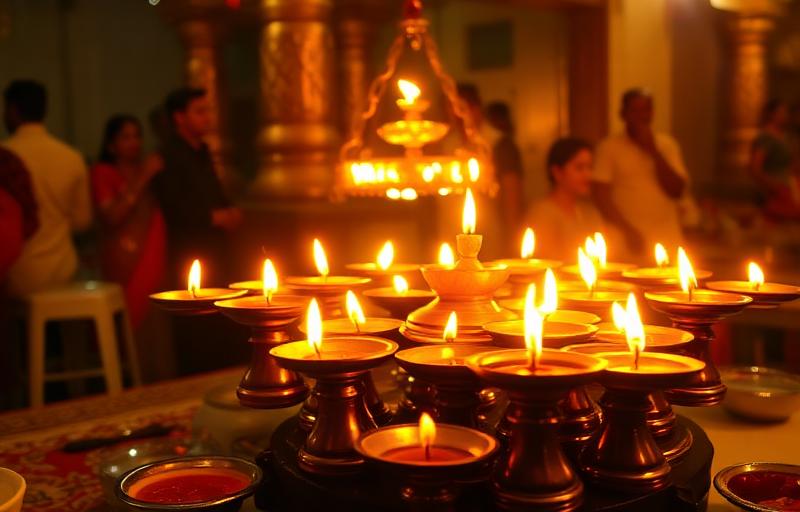
Narayani Stotram is traditionally recited as part of the eleventh chapter during a full reading of the Durga Saptashati, particularly during Navratri. However, the Ya Devi Sarvabhuteshu verses are so beloved that many devotees recite them independently as a daily prayer, even without reading the entire scripture.
- It is often chanted during Devi aarti and evening prayers
- Many devotees memorise just the Ya Devi Sarvabhuteshu portion for daily recitation
- It is considered meaningful to reflect on which quality of the Goddess, be it patience, compassion or memory, one wishes to invoke in oneself that day
Benefits As Per Tradition
As per tradition, reciting Narayani Stotram with devotion is believed to help devotees recognise and invoke the many qualities of the Goddess within their own being, from patience to compassion to clarity of intellect. It is also considered a powerful way to close a Durga Saptashati recitation with gratitude.
- Devotees believe it deepens awareness of the divine presence in everyday life
- It is said to cultivate qualities like patience, compassion and inner strength
- Many recite it for a sense of protection and completeness after any Devi worship
A Daily Takeaway
Narayani Stotram, through its Ya Devi Sarvabhuteshu verses, offers a beautiful daily reflection: the same Goddess who is worshipped in temples also resides quietly within our own intellect, patience, memory and compassion. Recognising this can transform how devotees see themselves and others.
Reciting even these few verses each day becomes an act of faith and love, not a transaction, a gentle reminder to honour the divine spark present in all beings, including oneself.
Quick Answers
What is Narayani Stotram?+
It is a hymn from the eleventh chapter of the Devi Mahatmya, sung by the gods in praise of the Goddess after her victory over Shumbha and Nishumbha.
What do the Ya Devi Sarvabhuteshu verses mean?+
These verses describe the Goddess as present in every being in forms such as power, intellect, peace, compassion and memory, ending each time with heartfelt salutations.
Can this hymn be recited separately from the full Durga Saptashati?+
Yes, many devotees recite just the Ya Devi Sarvabhuteshu portion daily as a short, meaningful prayer even without reading the entire scripture.
About the author
Acharya Vinaya Kapoor · M.A. Sanskrit, Mantra & Stotra Studies
Acharya Vinaya holds an M.A. in Sanskrit from Banaras Hindu University and writes the mantra and stotra commentary on Vandnaa. Her focus is on accurate pronunciation, traditional context, and helping modern readers connect with classical texts.
Meet the Vandnaa editorial team →