One of the Four Kumbh Mela Sites
Among the four places in India where the Kumbh Mela is held, Nashik and neighbouring Trimbakeshwar hold a distinguished place, the western anchor alongside Haridwar, Prayagraj and Ujjain. Held here in a cycle devotees call the Simhastha Kumbh, the gathering draws pilgrims from across the country to bathe in the Godavari, believed to cleanse away past wrongs and renew one's spiritual resolve.
The Godavari's Sacred Origin
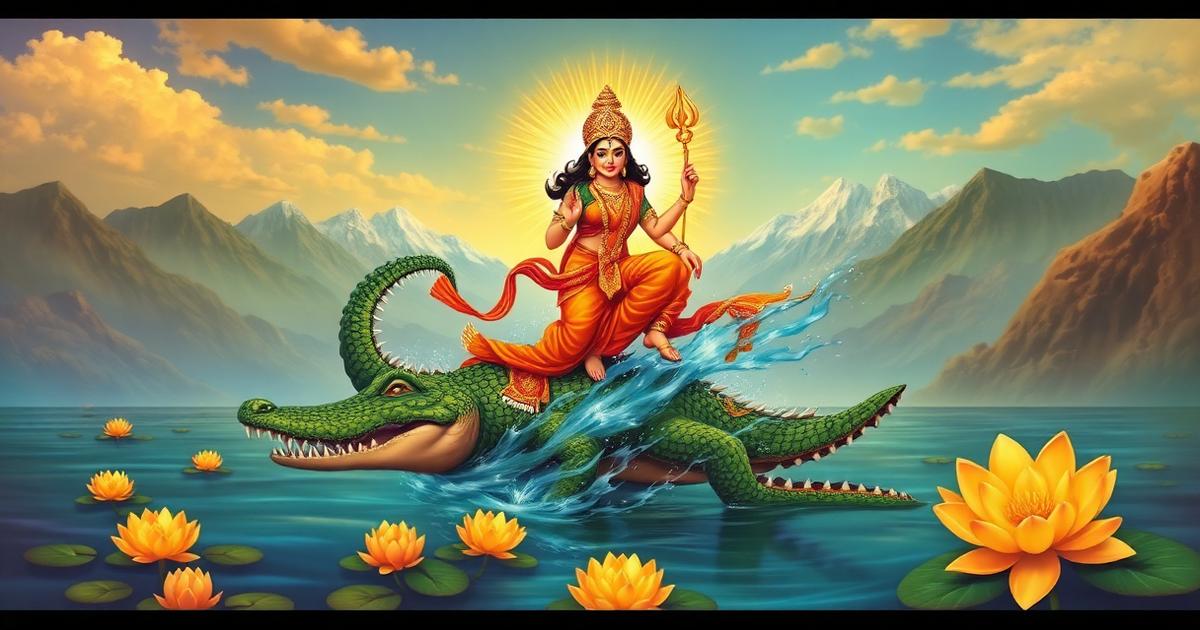
The Godavari river, often called the Dakshin Ganga or Ganga of the south, is traditionally said to originate at Trimbakeshwar, close to Nashik, itself home to one of the twelve Jyotirlingas. This origin point adds particular weight to bathing in the river as it flows through Nashik, since devotees regard the water here as carrying the sanctity of its very source.
Ramkund and Its Ramayana Connection
Among Nashik's ghats, Ramkund holds special devotional weight, traditionally associated with Bhagwan Ram, Sita and Lakshman during the period of their exile described in the Ramayana. Devotees visiting today often perform rituals here in memory of ancestors, believing the site's association with Ram lends the waters particular sanctity for such observances.
Panchavati, the Forest of Five Banyan Trees

Adjoining the ghats lies Panchavati, named for a cluster of five ancient banyan trees, another site tradition links to the exile years of Ram, Sita and Lakshman. Small shrines and temples dot the area today, and many pilgrims combine a visit here with their time at the ghats, treating the two as connected chapters of the same devotional visit to Nashik.
What Happens During the Kumbh
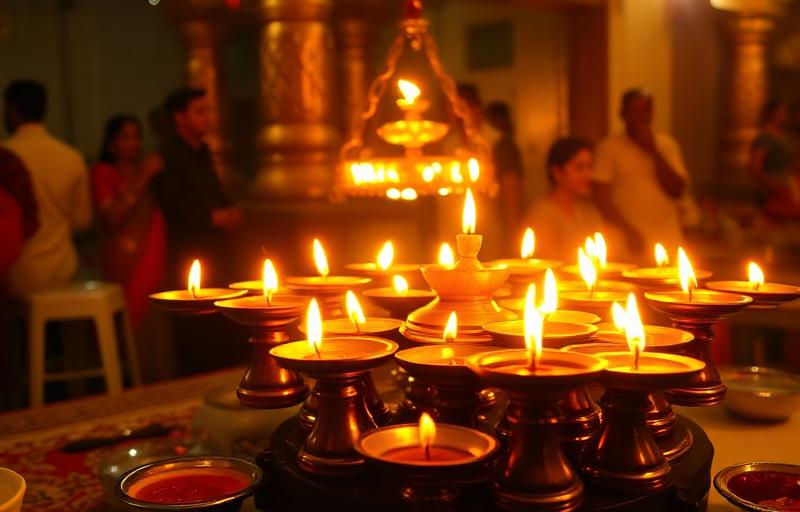
During the Kumbh period, Nashik's ghats and the encampments near Trimbakeshwar fill with sadhus, akharas and pilgrims observing the ceremonial bathing days considered most auspicious. Processions of ascetics heading to the river, the sound of conches and chanting along the ghats, and the sheer scale of devotees gathered together create an atmosphere many describe as unlike any other pilgrimage experience.
The Takeaway for Devotees
Whether one visits Nashik during the great gathering of the Kumbh or on an ordinary day for quiet darshan at its ghats, the city offers a reminder that a river's sanctity is renewed each time a devotee steps into it with sincere intention.
Nashik's waters, its temples and its stories together make the pilgrimage here as much about remembering the past as about seeking blessing in the present.
What People Ask Most
Why is Nashik considered one of the four Kumbh Mela sites?+
Nashik, along with neighbouring Trimbakeshwar on the Godavari river, is traditionally recognised as one of the four places, alongside Haridwar, Prayagraj and Ujjain, where the Kumbh Mela is held.
What is the significance of Ramkund in Nashik?+
Ramkund is traditionally associated with Bhagwan Ram, Sita and Lakshman during their period of exile, and devotees today often perform rituals here in memory of ancestors.
Where does the Godavari river traditionally originate?+
The Godavari is traditionally said to originate at Trimbakeshwar, close to Nashik, adding to the sanctity devotees associate with the river as it flows through the city.
About the author
Pandit Ravindra Sharma · Vedic Rituals & Bhakti, 22+ years
Pandit Ravindra is the Vandnaa editorial team's resident specialist on aarti, chalisa, and daily devotion. He has performed home and temple pujas across Varanasi and Delhi for over two decades and contributes the bhakti-focused articles on this site.
Meet the Vandnaa editorial team →