Before work: a calm beginning
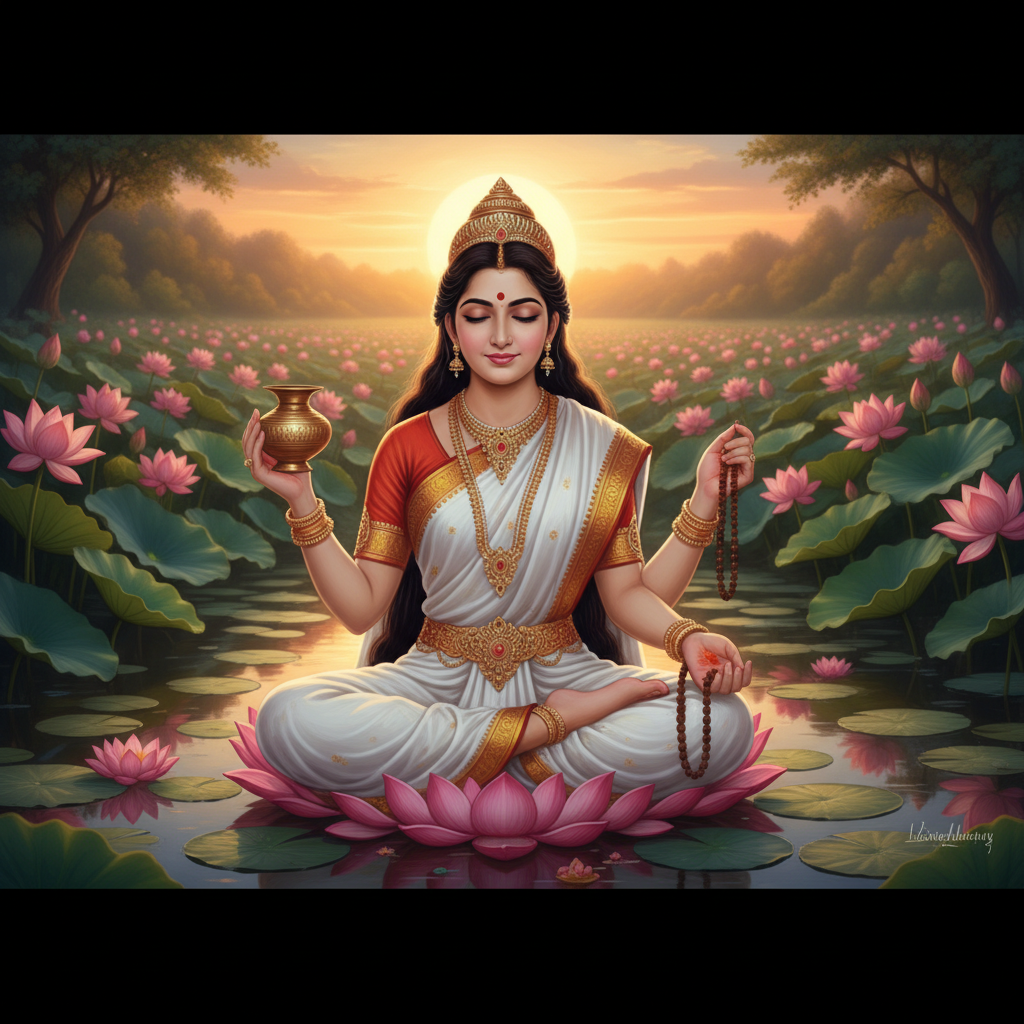
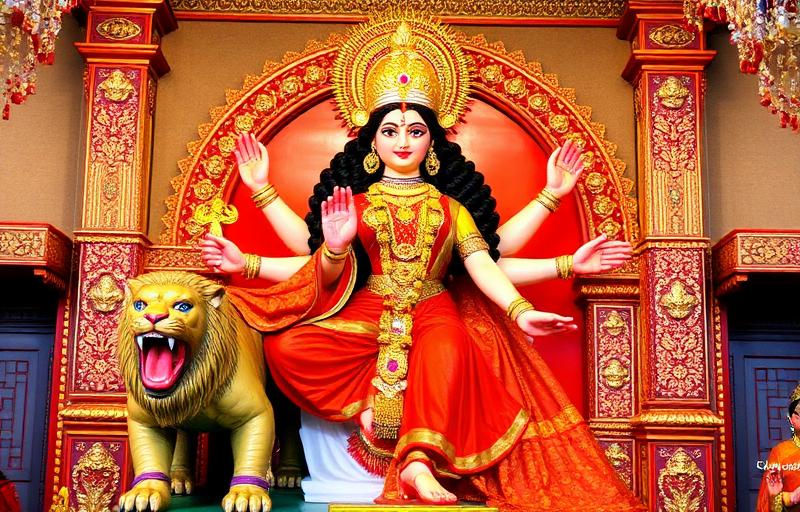
Set aside a few unhurried minutes after washing. Offer water or flowers to Maa Durga, read the day’s name and repeat a familiar prayer. If five minutes is all you have, keep it simple rather than rushing a long ritual.
You can chant “ॐ दुं दुर्गायै नमः” at a comfortable pace. Eleven repetitions are an optional planning aid, not a mandatory minimum or a promise of a particular result. Where a mantra is taught within a lineage, follow your teacher’s instruction.
Plan food before the commute
If you observe phalahar, pack foods permitted in your family: fruit, plain yogurt or a suitable home-cooked vrat meal. Read labels for ingredients and allergens. Sabudana and fried snacks are not automatically balanced meals; include protein and fluids if your chosen practice allows them.
Do not work through dizziness, faintness or confusion in order to complete a fast. Seek medical help when needed. People on medicines, pregnant people and those managing diabetes should discuss fasting with their clinician. There is no need for children to copy an adult’s restrictive fast.
Evening aarti without a heavy setup
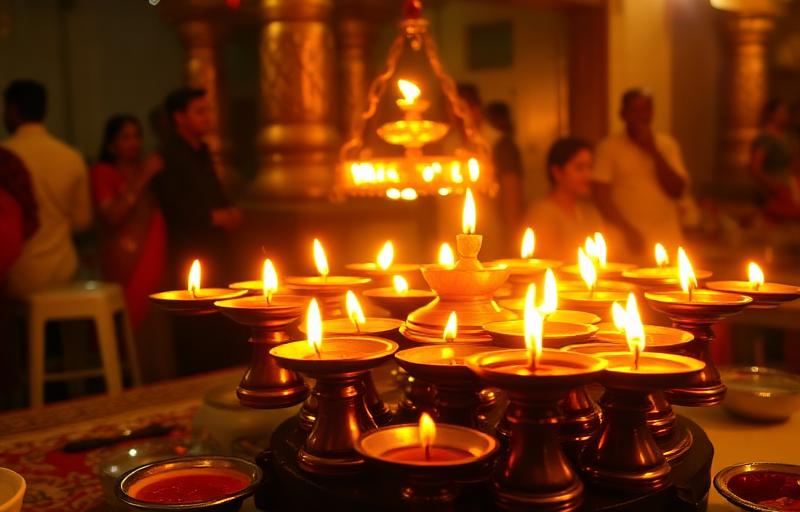
Choose a time after everyone has returned rather than a universal internet “muhurat.” Ordinary evening prayer and the muhurat for a specific festival rite are different. Read a short Durga prayer, offer a small portion of freshly prepared food and sing an aarti together.
If someone is tired, they may listen quietly or join another day. Keep the volume considerate of neighbours. Extinguish a supervised lamp safely before going to sleep; never keep a flame burning unattended just to match an online checklist.
Share the work and prepare for the final days
One person can clean the space, another prepare prasad and another read the prayer. Rotate tasks instead of placing all festival work on one family member. Use a reusable plate and small offerings to reduce waste.
For 2026, keep October 18–19 (the final two devotional days) and October 20 (Dussehra) in mind; confirm the actual Ashtami/Navami observance locally. Kanya Pujan and parana follow family tradition and local tithi; arrange guests respectfully and check dietary needs. A daily checklist is for organization, not a measure of anyone’s devotion.
Common Questions From Devotees
Is a short puja acceptable during Navratri?+
A short voluntary household prayer is appropriate when time is limited. If you undertook a formal sankalp, ask your family priest how to adapt it.
About the author
Pandit Mahesh Trivedi · Festival Traditions & Panchang
Pandit Mahesh leads the festival-date and Panchang content on Vandnaa. He cross-references multiple regional panchangs (Drik, Vaishnava, Bengali, Marathi) for every festival date published on the site.
Meet the Vandnaa editorial team →