Nidhivan: A Small Forest Wrapped in Mystery
Nidhivan is a compact, walled grove in Vrindavan, close to the famed Banke Bihari Temple, where old Tulsi trees are said to grow in pairs, their trunks and branches naturally twisting around one another. To devotees, these intertwined trees represent the eternal, inseparable pairing of Radha and Krishna.
Unlike a typical temple built of stone, Nidhivan's sanctity lies in the grove itself, its ancient trees, its small shrines and a modest structure known as the Rang Mahal, all held within an atmosphere of hushed reverence that devotees describe as unlike anywhere else in Vrindavan.
The Belief Behind the Nightly Raas Leela
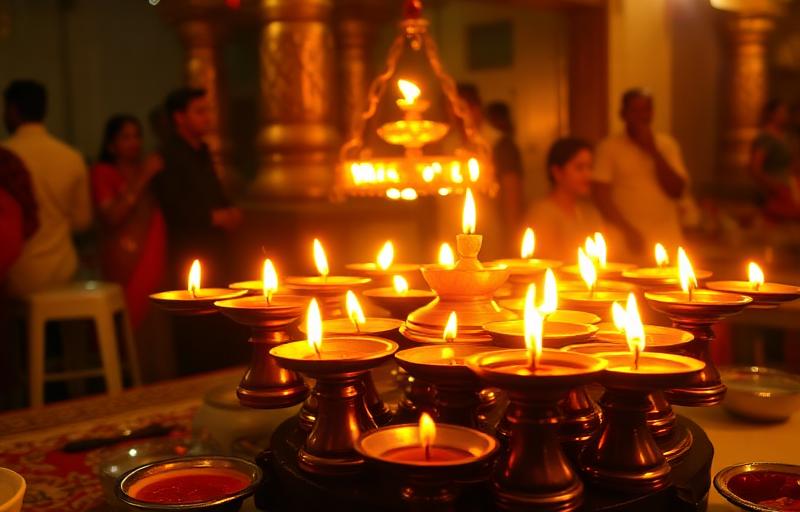
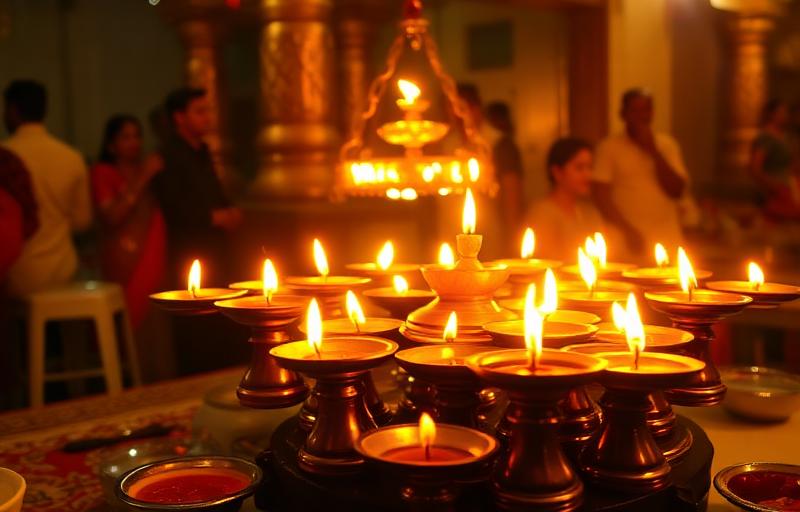
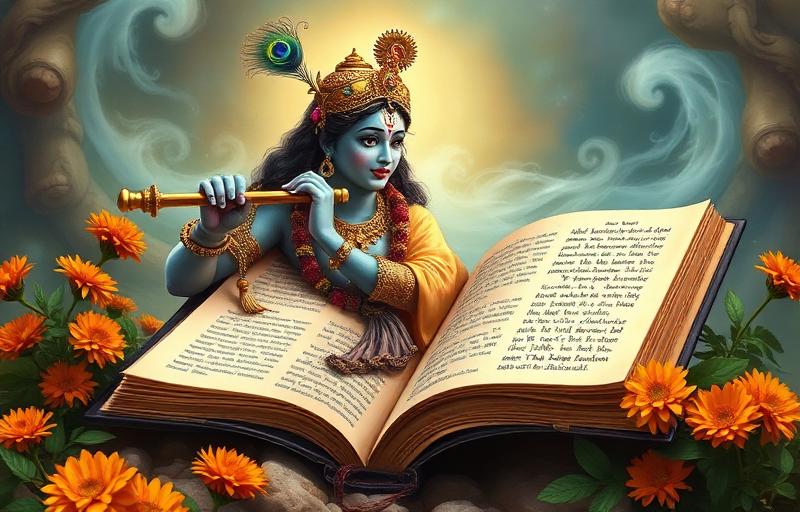
Devotees hold a deep belief that Radha, Krishna and the gopis descend to Nidhivan every night to perform the raas leela, the divine circular dance of love described in the Bhagavata Purana. Within the grove stands the Rang Mahal, a small building where a bed, water, betel leaves and other items for Radha and Krishna's comfort are arranged fresh each evening, as though preparing a room for honoured guests.
It is said that these items are found disturbed or used each morning, which devotees take as a sign of the divine couple's nightly presence. Because of this belief, the temple gates are closed well before dusk, and no one, not even priests, is permitted to remain inside overnight.
What Nidhivan Means to Devotees
For devotees, Nidhivan is treated not merely as a historical site but as a living, breathing space where the divine still plays each night.
- Pilgrims walk through the grove in a mood of quiet humility, speaking softly and avoiding any disturbance to the trees
- The paired trees are seen by devotees as a living lesson in devotion, love and inseparability
- Many devotees offer a silent prayer here for a loving, harmonious married life, drawing on the symbolism of Radha and Krishna's bond
- The rule against staying past dusk is respected by devotees as a mark of humility before a space considered private to the divine couple
Darshan Guide: Visiting Hours and What to Expect
Nidhivan is open to devotees during daylight hours, typically from morning until well before sunset, after which the gates are closed for the night in keeping with tradition. Visitors are asked to maintain silence and a respectful demeanour throughout the grove, and photography of certain areas is often restricted.
The grove is especially peaceful in the early morning, and many pilgrims combine a visit here with darshan at the nearby Banke Bihari Temple, treating both as part of a single, unhurried walk through devotion.
How to Reach Nidhivan
Nidhivan is located in the heart of Vrindavan, a short walk from Banke Bihari Temple, in a lane easily reached on foot from most parts of the old town. Vrindavan itself is well connected by road to Mathura, about ten kilometres away, with Mathura Junction as the nearest railway station and Agra as the nearest airport.
A Simple Prayer and the Takeaway
Devotees passing through Nidhivan often softly chant Om Radha Krishnaya Namah ('salutations to Radha Krishna'), mindful that they walk through a space considered intimately sacred.
Nidhivan teaches devotees the value of reverent restraint, that some sacred things are approached best with quiet and humility rather than curiosity alone. Worship here, as everywhere, is an act of faith and love, not a transaction.
What People Ask Most
Why are visitors not allowed in Nidhivan after dusk?+
Tradition holds that Radha, Krishna and the gopis perform the raas leela in the grove every night, so the space is kept undisturbed and closed to all visitors after dusk out of reverence.
What is the Rang Mahal inside Nidhivan?+
The Rang Mahal is a small structure within the grove where a bed and items like water and betel leaves are arranged fresh each evening for Radha and Krishna, following long-held tradition.
Why do the trees in Nidhivan grow in pairs?+
Devotees regard the naturally intertwined Tulsi trees as a living symbol of Radha and Krishna's eternal, inseparable bond, and hold the grove sacred for this reason.
About the author
Pandit Ravindra Sharma · Vedic Rituals & Bhakti, 22+ years
Pandit Ravindra is the Vandnaa editorial team's resident specialist on aarti, chalisa, and daily devotion. He has performed home and temple pujas across Varanasi and Delhi for over two decades and contributes the bhakti-focused articles on this site.
Meet the Vandnaa editorial team →