Nidhivan: A Grove Unlike Any Other in Braj
Nidhivan is a small, walled grove in the heart of Vrindavan, filled with old tulsi plants that grow in unusual paired stems, said by devotees to represent Radha and the gopis in eternal companionship with Krishna. Within the grove stands the Rang Mahal, a modest shrine where a bed, water and betel leaves are set out each evening in devout belief.
Unlike the grand temples of Braj, Nidhivan is quiet and restrained, and it is precisely this stillness that devotees say makes it feel closest to the living presence of Krishna's leela. It is regarded as one of the most sacred and mysterious spots in all of Vrindavan.
The Legend of the Nightly Raslila
Tradition holds that Nidhivan was one of the groves where Krishna performed the raslila with Radha and the gopis, and devotees believe this leela continues even today, unseen by human eyes, after the temple gates close each evening. It is said that no one, not birds nor animals nor devotees, remains within the grove after dusk, out of deep reverence for this belief.
Many stories are told in Vrindavan of the grove's sanctity being tested and always upheld, reinforcing among devotees the sense that Nidhivan remains, in a very real way, alive with Krishna's presence.
Why Devotees Hold Nidhivan So Sacred
For devotees, Nidhivan is a place to feel the intimate, personal side of Krishna's leela rather than his majesty as king or protector. Pilgrims come here in a spirit of quiet reverence, often speaking in hushed tones as a mark of respect.
- Devotees pray for a deeper, more personal bond of bhakti with Krishna and Radha
- Many seek the blessing of devotion untouched by ego, as embodied by the gopis
- The paired tulsi plants are seen as a living reminder of union and companionship in devotion
- Visiting Nidhivan is considered a way of drawing closer to the Radha-Krishna leela described in the Puranas
Darshan Guide: Rang Mahal and Timings
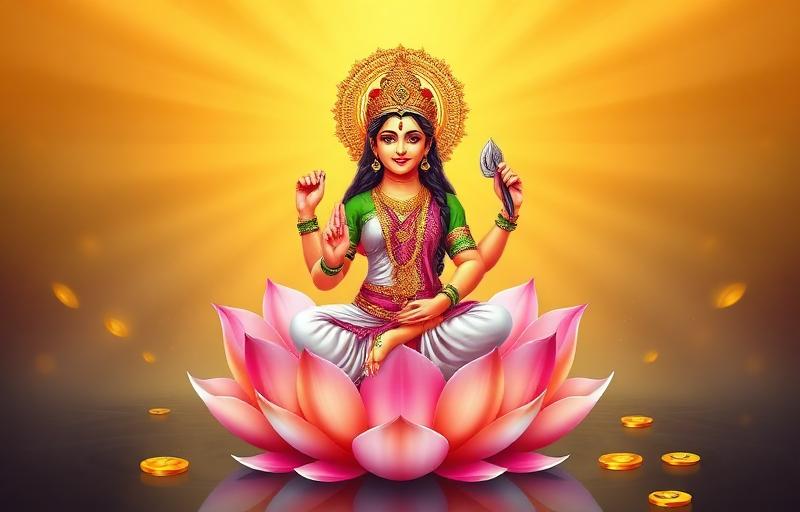
The grove and the Rang Mahal shrine within it are generally open through the day, following typical temple practice of a morning opening and evening closing before dusk. Devotees are asked to leave the inner grove before the gates shut, in keeping with the tradition of the nightly leela.
The best time to visit is during the morning hours, and Janmashtami, celebrating Krishna's birth, along with the Sharad Purnima season associated with the raslila, are especially significant times for devotees to visit Nidhivan.
How to Reach Nidhivan, Vrindavan
Nidhivan is located in central Vrindavan, Uttar Pradesh, close to other major shrines like the Banke Bihari Temple. Mathura Junction is the nearest major railway station, well connected to Delhi and Agra, and Vrindavan is easily reached by road from Mathura in a short drive. The nearest airport is Agra, with Delhi's international airport also a common gateway for pilgrims.
A Simple Prayer and the Takeaway
Devotees visiting Nidhivan often softly chant Radhe Radhe or the mantra Om Shri Radha Krishnaya Namah ('salutations to Radha and Krishna'), a simple invocation of the divine pair believed to reside here.
Nidhivan reminds devotees that the deepest devotion often asks not for grand display but for quiet reverence and restraint. Worship at such places is an act of faith and love, not a transaction.
Common Questions From Devotees
Why do the tulsi plants in Nidhivan grow in pairs?+
Devotees believe the paired tulsi stems represent Radha and the gopis in eternal companionship with Krishna during the raslila, a distinctive feature not seen in ordinary tulsi plants.
Can devotees stay inside Nidhivan after dark?+
No, out of deep reverence for the tradition of the nightly leela, the grove is closed to everyone before dusk, and devotees are asked to complete their darshan during the day.
What is the Rang Mahal inside Nidhivan?+
The Rang Mahal is a small shrine within the grove where a bed, water and betel leaves are ceremonially set out each evening, in devout belief that Krishna and Radha visit there at night.
About the author
Pandit Ravindra Sharma · Vedic Rituals & Bhakti, 22+ years
Pandit Ravindra is the Vandnaa editorial team's resident specialist on aarti, chalisa, and daily devotion. He has performed home and temple pujas across Varanasi and Delhi for over two decades and contributes the bhakti-focused articles on this site.
Meet the Vandnaa editorial team →