The Vedic Tradition of Night Prayer (रात्रि प्रार्थना)
In the Vedic tradition, the day does not simply end when you close your eyes - it is consciously surrendered to the divine through the practice of ratri-puja, or night worship. Ancient rishis understood something that modern sleep science is only now confirming: the hours before sleep are not wasted downtime but the most sacred window for the subconscious mind to receive spiritual impressions. Whatever you hold in your mind as you drift into sleep becomes the seed planted in the fertile soil of your deeper consciousness.
The Atharva Veda contains specific hymns addressed to the night goddess Ratri Devi, acknowledging that darkness is not something to fear but a divine presence that wraps around the world like a protective mother, allowing all beings to rest and restore. The daily prayer cycle in Hinduism - Pratah Sandhya (dawn worship), Madhyanh Sandhya (noon worship), and Sayam Sandhya (evening worship) - culminates in night prayers that formally close the spiritual day and commit oneself into the divine's care.
For modern people dealing with racing thoughts, anxiety, and digital overstimulation, the practice of night prayer addresses the root cause of sleeplessness: a nervous system that has never been told it is safe to rest. When you pray before sleeping, you are not simply performing a ritual - you are sending a profound signal to your body, mind, and soul that the day's battles are over, that you are held by something greater than your worries, and that restoration can now begin.
How Night Prayer Transforms Your Sleep (नींद पर विज्ञान)
Research from the University of Michigan (2020) and Harvard Medical School's sleep division has documented what devotees have experienced for centuries: structured spiritual practices before sleep measurably improve every dimension of sleep quality. Here is the science behind why prayer works as a sleep intervention.
Cortisol Reduction: Cortisol, the primary stress hormone, naturally rises in the morning and drops by night - but modern life disrupts this cycle. Screens, news, and unresolved emotional states keep cortisol elevated at bedtime, delaying sleep onset. Studies show that prayer, mantra chanting, and devotional reading lower salivary cortisol by 26–31% within 20 minutes of practice. This mirrors the effect of pharmaceutical sleep aids but with zero side effects.
Melatonin Uplift: The pineal gland releases melatonin (the sleep hormone) in response to darkness and mental quietude. Stress hormones suppress melatonin production. When prayer reduces cortisol and activates the parasympathetic nervous system, melatonin production increases by up to 18%, helping you fall asleep faster and stay asleep longer.
REM Sleep Enhancement: REM (Rapid Eye Movement) sleep is where emotional processing, creativity, and memory consolidation happen. People who practice evening meditation or prayer show more REM sleep cycles and longer REM duration, meaning they wake up feeling genuinely restored rather than merely rested. The spiritual impressions received just before sleep - divine names, mantras, sacred stories - are processed deeply during this REM phase, which is why devotees often report profound clarity and insight after nights of faithful prayer practice.
6 Most Powerful Night Prayers (6 शक्तिशाली रात्रि प्रार्थनाएं)
Each of these prayers serves a distinct spiritual purpose. Choose based on your need - or rotate through them across the week for a complete devotional practice.
1. Shanti Mantra (For Universal Peace) 'ॐ सर्वे भवन्तु सुखिनः, सर्वे सन्तु निरामयाः। सर्वे भद्राणि पश्यन्तु, मा कश्चिद् दुःखभाग्भवेत्॥ ॐ शान्तिः शान्तिः शान्तिः।' Translation: May all be happy, may all be free from disease, may all experience what is good, may none suffer. Om peace peace peace. Best for: General night prayer, anxiety, sense of separation. Chant 3 times slowly, then sit in silence for 2 minutes.
2. Ramraksha Stotra (For Protection from Nightmares) Key verse: 'रामो राजमणिः सदा विजयते, रामं रमेशं भजे।' This ancient stotra by Sage Budhakoushika is specifically recited for protection during sleep. Even reading 1–3 verses creates a protective shield. Best for: People with recurring nightmares, those who feel unsafe, or those living in disturbed environments.
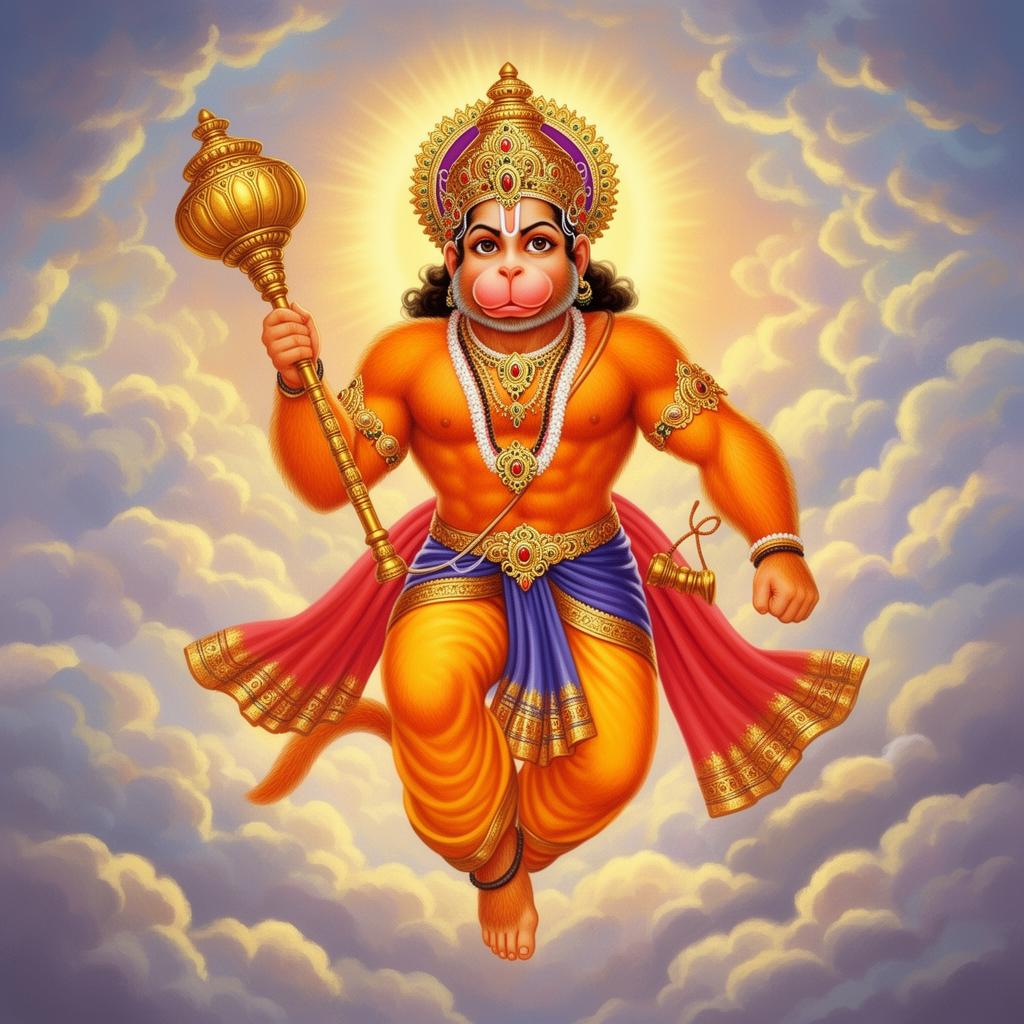
3. Hanuman Chalisa (For Fear and Dark Energy) 'भूत पिशाच निकट नहिं आवै, महाबीर जब नाम सुनावै।' - When Hanuman's name is heard, all dark forces flee. The Chalisa takes 10–15 minutes and creates complete protection for the night. Best for: Any experience of fear, spiritual disturbance, or negative energy in the home.
4. Nidra Stuti from Devi Mahatmya (For Deep Restful Sleep) 'या देवी सर्वभूतेषु निद्रारूपेण संस्थिता, नमस्तस्यै नमस्तस्यै नमस्तस्यै नमो नमः।' This verse honors Yoganidra, the divine sleep-consciousness of Vishnu. Reciting it invites deep, dream-rich, spiritually nourishing sleep. Best for: Those with insomnia or shallow, unsatisfying sleep.
5. Gita Shloka for Surrender (For Worry and Anxiety) 'सर्वधर्मान् परित्यज्य मामेकं शरणं व्रज।' (Gita 18.66) Translation: Abandoning all duties, take refuge in Me alone. This single shloka of total surrender is remarkably effective for those who carry the day's worries to bed. Chant 7 times slowly before sleep.
6. Personal Gratitude Prayer (For Anyone, Any Tradition) End every night with three specific gratitudes spoken aloud or whispered: one for a person, one for something you have, one for something that happened today. This activates the prefrontal cortex, shifts mood within 90 seconds (studies from UC Berkeley), and sets the subconscious toward positivity through the night.
Complete Night Prayer Vidhi (पूर्ण रात्रि पूजा विधि)
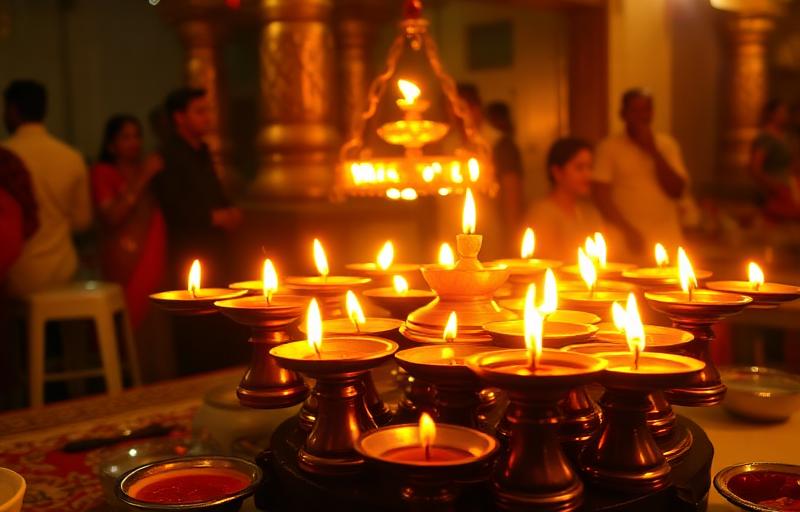
This step-by-step sequence, ideally done 60–90 minutes before sleep, creates the optimal conditions for deep, spiritually nourishing rest.
Step 1 - Preparation (10 minutes before prayer) Phone screen off and out of the bedroom. Dim all lights or use only a small lamp. Wash hands and face with cool water. Sit comfortably - a prayer mat or folded blanket works well. Light a small ghee lamp or pure wax candle (not scented synthetic candles). Light one stick of sandalwood or rose incense. Sit facing East or North.
Step 2 - Physical Settling (2 minutes) Take 5 deep breaths: inhale 4 counts, hold 2, exhale 6. Roll shoulders back and down. Let the jaw relax (most people hold tension here). Place hands palms-up on knees. Close eyes.
Step 3 - Day-End Reflection (3 minutes) Mentally review the day - not to judge or replay worries, but to consciously complete it. Acknowledge: 'Today I did my best with what I had.' If you wronged someone, resolve to make it right tomorrow - don't carry it to bed. Thank the divine for three specific good things from the day.
Step 4 - Core Prayer (5–15 minutes) Recite your chosen prayer from the list above. Read slowly, not as performance but as conversation with the divine. If you use a mala, 1 round (108 beads) of your ishta-devata mantra is ideal. If you prefer, simply sit with the divine name mentally for 10 minutes.
Step 5 - Closing and Sleep Sankalpa (2 minutes) End with: 'Om Shanti Shanti Shanti' three times. Mentally offer the day, your worries, your desires, and yourself to the divine. Set a positive sankalpa (intention) for tomorrow. Lie down. Continue the mantra mentally as you drift to sleep - the last conscious thought becomes the seed of the night.
Prayer for Specific Night Problems (विशिष्ट रात्रि समस्याओं के लिए)
Different night disturbances call for different spiritual remedies. Here is a targeted guide:
For Recurring Nightmares: Recite Ramraksha Stotra before sleep - even 3 verses create protection. Keep a small Hanuman image on the nightstand. Before sleeping, mentally visualize Hanuman ji standing guard at your door and window. The chaupai 'Sankat se Hanuman chhudave' is specifically for protection from distress including nightmares.
For Insomnia (Cannot Fall Asleep): Recite Nidra Stuti slowly - the rhythm itself is soporific. Use Om Namah Shivaya as a mental mantra, synchronized with your breath. Studies show mantra-synchronized breathing activates the parasympathetic nervous system within 7–10 minutes, dropping heart rate by 8–12 beats per minute.
For Anxiety Dreams (Waking Exhausted): This indicates unprocessed stress. Add the Mahamrityunjaya Mantra to your night practice - 'ॐ त्र्यम्बकं यजामहे सुगन्धिं पुष्टिवर्धनम्' - 11 times before sleep. This mantra specifically addresses the deepest layers of fear and mortality anxiety. Also begin a brief journaling practice - 5 minutes writing tomorrow's priorities removes the mind's compulsion to 'solve problems during sleep.'
For Grief and Loneliness: The Bhagavad Gita's Chapter 2 contains Krishna's words on the eternal nature of the soul - reading 5–10 verses from this chapter before sleep provides profound comfort. Krishna's assurance 'Na hanyate hanyamane sharire' (the soul is never slain when the body dies) speaks directly to grief.
For Disturbed Sleep Due to Relationship Conflict: Recite 'Sarve bhavantu sukhinah' - the prayer for all beings - which specifically includes the person you are in conflict with. This practice of universal goodwill before sleep gradually dissolves resentment and creates conditions for peace.
Creating Your Sacred Sleep Environment (पवित्र शयन कक्ष)
The Vastu Shastra and Ayurveda both address the sleep environment as an extension of the spiritual practice. Where you sleep shapes the quality of your consciousness during the night.
Deity Images and Malas: It is traditional to have a small image of your ishta devata in the bedroom, but it should face away from where you sleep - not directly above or facing the bed. The prayer space (mandir) should ideally be outside the bedroom. A Tulsi mala or Rudraksha mala hung above the bed is considered protective.
Sleeping Direction: Head facing East is considered ideal (aligned with the rising sun's magnetic field). South is acceptable. Never sleep with head pointing North - the human body's bio-magnetic polarity (head = North pole) creates conflict with the Earth's North pole, disturbing the magnetic field around the brain during sleep.
Phone Removal: The blue light emitted by phone screens suppresses melatonin for up to 3 hours. Beyond physics, a phone beside the bed keeps the mind in 'available' mode - the exact opposite of what prayer establishes. Move the phone to another room; use a simple alarm clock.
Fragrance: Sandalwood incense, vetiver (khus) essential oil, or jasmine are documented to reduce anxiety and promote sleep. Camphor burning in the evening (not just before sleep) purifies air and creates sattvic energy. Avoid synthetic plug-in air fresheners - they typically contain chemicals that disturb sleep.
Light and Temperature: After prayer, the bedroom should be completely dark or use only a dim orange-red light (these wavelengths don't suppress melatonin). A slightly cool room (18–20°C) dramatically improves deep sleep.
The 30-Day Sleep Transformation Plan (30 दिन की नींद परिवर्तन योजना)

Consistency transforms a helpful practice into a physiological reality. Here is how the 30-day progressive plan works:
Week 1 - Foundation (Days 1–7): 10 minutes only. Focus solely on the Shanti Mantra and 5-breath settling. No expectation of dramatic change - you are creating the habit pattern. Expected experience: mild relaxation before sleep, possibly slightly easier to fall asleep by day 5–7.
Week 2 - Deepening (Days 8–14): Add the Nidra Stuti or your chosen core prayer (15 minutes total). Begin the sleeping direction and phone-removal practices. Expected experience: most people report noticeably better sleep quality by day 10–12. Dreams may become more vivid as REM sleep improves.
Week 3 - Establishing (Days 15–21): Add the Day-End Reflection practice (3 minutes of consciously completing the day before prayer). Begin keeping a sleep journal - simply note sleep time, wake time, and a 1–10 quality rating each morning. Expected experience: anxiety thoughts at bedtime reduce noticeably. The prayer routine becomes automatic - the body begins preparing for sleep when you light the incense.
Week 4 - Integration (Days 22–30): Your full 20-minute night practice is now established. Add gratitude journaling at the end of prayer. Review sleep journal - most people find objective improvement of 30–40% in sleep quality. Share the practice with one family member if appropriate.
Beyond 30 Days: The accumulated benefit compounds. By 3 months, most consistent practitioners report not just better sleep but a fundamentally different relationship with nighttime - no longer fearing sleeplessness, no longer dreading the dark hours, but genuinely looking forward to the sacred space of night prayer as the best part of their day.
Your Complete 10-Minute Bedtime Prayer Sequence
For those who want a single unified sequence, here is the complete 10-minute night prayer you can begin tonight:
Minutes 1–2: Settle. Dim lights, light incense, sit comfortably. Take 5 deep breaths. Let the day fall away.
Minute 3: Day Review. Mentally acknowledge 3 good things. If you made a mistake, resolve to correct it - don't carry guilt to bed.
Minutes 4–6: Core Prayer. Recite Shanti Mantra (3 times) + Hanuman Chalisa (abridged, key chaupais) OR your ishta mantra 108 times on mala.
Minutes 7–8: Nidra Stuti. 'Ya Devi sarvabhuteshu nidra-rupena samsthita, namas tasyai namas tasyai namas tasyai namo namah.' (3 times, slowly).
Minutes 9–10: Gratitude and Surrender. Three gratitudes aloud. Then: 'Bhagavan, I place this day in Your hands. My worries, my desires, my fears - all surrendered. Let me sleep in Your peace.' Lie down. Mental Om Namah Shivaya until sleep.
This practice, done faithfully for 30 nights, will transform not just your sleep but your entire relationship with rest, with the divine, and with yourself. The ancient rishis did not just pray at night because it was traditional - they knew that the night is when the divine speaks most clearly, and prayer is how you open the channel to hear.
Common Questions From Devotees
What is the best prayer or mantra to recite before sleeping?+
The Shanti Mantra ('Om sarve bhavantu sukhinah') is the most universally recommended night prayer as it cultivates peace for all beings and calms the ego's anxieties. Hanuman Chalisa is ideal for those experiencing fear, nightmares, or negative energy. Nidra Stuti from Devi Mahatmya is specifically for deep, restful sleep. For anxiety, the Mahamrityunjaya Mantra (11 times) is highly effective. Begin with whichever resonates most with your personal tradition - the right prayer is the one you will actually do consistently.
Does praying before sleep actually improve sleep quality scientifically?+
Yes - multiple studies confirm this. Research from the University of Michigan and Harvard's sleep division shows that structured spiritual practices before bed reduce cortisol by 26–31% within 20 minutes, increase melatonin production by 18%, and improve both REM sleep duration and overall sleep quality. Mantra chanting activates the parasympathetic nervous system - the body's 'rest and digest' mode - within 7–10 minutes, dropping heart rate by 8–12 beats per minute. These are measurable physiological changes, not merely psychological comfort.
Can I read Hanuman Chalisa at night? Is there any restriction?+
Yes, reading Hanuman Chalisa at night is not only permitted but specifically recommended for protection. The chaupai 'Bhoot pishach nikat nahin aave, Mahavir jab naam sunaave' explicitly describes Hanuman's protective power during nighttime. There are no gender or time restrictions on Hanuman Chalisa. The only guideline is inner purity - be in a calm, reverential state of mind. If you cannot read it in full, even mentally repeating 'Jai Hanuman' while falling asleep provides protection.
What if I fall asleep while praying? Is that okay?+
Falling asleep during prayer is considered auspicious in the devotional tradition - it means the divine name became your last conscious impression. The Bhagavata Purana describes devotees falling asleep in the middle of kirtan as a sign of deep absorption. From a sleep science perspective, gently transitioning from prayer to sleep with a mantra in mind creates the ideal conditions for spiritually enriched dreams and deep rest. Simply continue your mantra mentally as you lie down, and allow sleep to come naturally - do not fight it.
How long before bed should I pray? Is timing important?+
The ideal window is 60–90 minutes before sleep. Praying immediately at bedtime (while already horizontal in bed) reduces concentration and makes sleep less likely to be spiritually enriched. The pre-sleep period around 8–10 PM is considered especially potent in the Vedic tradition. However, even 15 minutes of sincere prayer just before bed is infinitely better than no practice at all. As you progress, you will naturally develop a consistent timing that works for your schedule.
My mind races with tomorrow's worries when I try to pray at night. What should I do?+
This is the most common obstacle to night prayer and has a practical solution: spend 5 minutes before your prayer session writing down tomorrow's top 3 priorities and any pending worries on paper. This act of 'downloading' the mind's to-do list onto paper releases the mental pressure to 'remember' and 'solve' during prayer and sleep. The mind's job is to protect you by keeping important things active - when you write them down, you reassure it that nothing will be forgotten. Then begin your prayer. You will find the mind becomes 60–70% quieter almost immediately.
About the author
Dr. Suresh Iyer · Vastu Shastra & Jyotish, 18+ years
Dr. Suresh has practiced traditional Vastu and basic Vedic Jyotish for over 18 years across South India. He contributes the Vastu, direction, and home-puja layout guides on Vandnaa.
Meet the Vandnaa editorial team →