Why Nirjala Ekadashi Is the King of All Vrats
Once Maharishi Vyasa explained all 24 Ekadashis of the year to the Pandavas. Yudhishthir, Arjuna and the others nodded - they could keep these fasts.
Bhima panicked. 'Gurudev, I cannot stay hungry for even three hours. How will I observe 24 fasts?'
Vyasa smiled. 'Then keep just ONE - Nirjala Ekadashi. No food, not a drop of water, for 24 hours. Its punya equals all 24 Ekadashis combined.'
From that day Nirjala Ekadashi is also called Bhimseni Ekadashi or Pandava Ekadashi. It is the only fast where even rinsing the mouth with water is forbidden.
Nirjala Ekadashi 2026 falls on Saturday, 6 June 2026. Ekadashi tithi begins at 2:15 AM on June 6 and ends at 4:47 AM on June 7. Parana time (vrat breaking) is 5:23 AM – 7:08 AM on Sunday, 7 June.
Falling in peak summer, this vrat tests every limit of the body. Yet crores observe it because Lord Vishnu has personally promised: 'Whoever keeps Nirjala Ekadashi receives moksha at the end of life - even if every other sin remains.'
🙏 Open the Vandnaa App at sunrise on Nirjala Ekadashi to chant Vishnu Sahasranama with synced lyrics - the perfect spiritual companion when the body is weak from fasting.
Nirjala Ekadashi 2026 - Tithi, Vrat & Parana Time
📅 Vrat Date: Saturday, 6 June 2026 🕒 Ekadashi Begins: 2:15 AM, 6 June 2026 🕒 Ekadashi Ends: 4:47 AM, 7 June 2026
Vrat Period (No Food, No Water): Sunrise on 6 June (5:22 AM) → Sunrise on 7 June (5:23 AM) = full 24 hours.
📅 Parana (Vrat Breaking) Date: Sunday, 7 June 2026 🕒 Best Parana Window: 5:23 AM – 7:08 AM (must be after sunrise on Dwadashi) 🕒 Hari Vasara End (must break after this): 9:11 AM on 7 June
Critical rule: Never break a Nirjala vrat before sunrise on Dwadashi or after Dwadashi tithi ends - both reduce the fruit to zero. Always check local sunrise time for your city.
Complete Nirjala Ekadashi Vrat Vidhi (4 Phases)
Phase 1 - Dashami Eve (5 June): Eat only one sattvik meal before sunset. No grains after 6 PM. Brush teeth and drink final water before 10 PM. Sleep early. The vrat technically starts from this last sip.
Phase 2 - Ekadashi Sunrise (6 June, 5:22 AM): Wake up. Bathe with cold water. Wear clean yellow/white clothes. Sit in puja and take sankalp before Vishnu's idol: 'I, [name], take Nirjala Ekadashi vrat for the moksha of myself and my family.'
Phase 3 - Day-long Sadhana: No food. No water. No spitting. No sleep during day. Spend the day in: Vishnu Sahasranama path (1 round = 1 hour), reading Bhagavad Gita Adhyay 12, chanting 'Om Namo Bhagavate Vasudevaya' 108×11 times, listening to Vishnu bhajans. Avoid TV, gossip, anger.
Phase 4 - Evening Aarti & Jagaran: At sunset light a ghee diya before Vishnu. Do aarti. Many devotees do night jagaran until midnight. After midnight you may sleep but still no water.
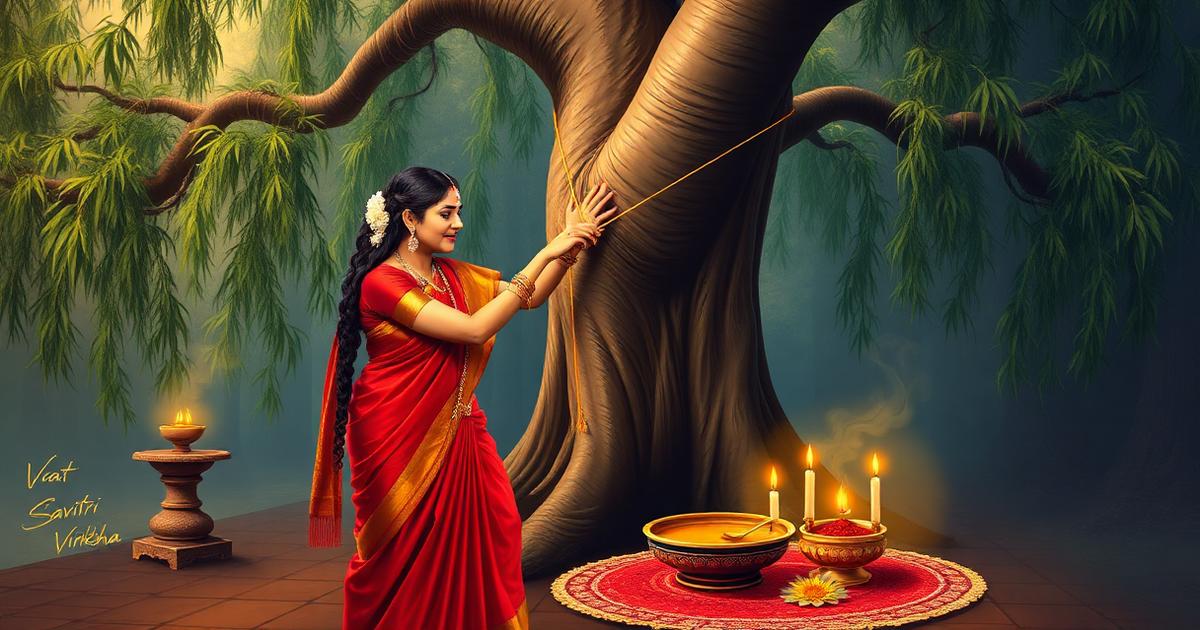
Parana (7 June morning): Wake before parana time. Bathe. Donate water-pots, fans, sugarcane juice, fruits to poor (very important - donating water on this day specifically gives the same moksha). Then drink Tulsi-jal first, then break vrat with sattvik food.
Who Should NOT Keep Nirjala Vrat

Sanatan Dharma never asks you to harm your body. The shastras themselves exempt the following:
- Pregnant women & nursing mothers - keep phalahar (fruits + water) Ekadashi instead.
- Diabetics, BP patients, kidney issues - water is medicine for you; doctors over rituals.
- Children below 18 - body is still developing; one sattvik meal allowed.
- Elderly above 70 - keep partial fast with water + milk.
- Anyone on prescription medication - take medicine with minimum water; vrat is not invalidated.
- People doing physical labor in summer heat - heatstroke risk is real.
If you fall in any of these categories, do 'Saphal Ekadashi' style fast - one fruit meal + unlimited water + full Vishnu sadhana. The fruit is the same when intention is pure. Lord Vishnu cares for your devotion, not your dehydration.
Why Ekadashi Fasting is the Highest Vaishnav Vrat
There are 24 Ekadashis in a year (26 in a leap year). Each has its own name and specific benefit. But all Ekadashis share one common theme - they honor Lord Vishnu and activate a specific cosmic energy for the devotee.
The science behind Ekadashi fasting: The 11th day of each lunar fortnight corresponds to a specific alignment of the Moon's gravitational pull relative to Earth. Ancient rishis observed that on this day, the digestive system naturally slows, the mind becomes lighter, and spiritual receptivity increases. Fasting on this day is not punishment - it is alignment with the body's natural cycle.
Modern research support: Intermittent fasting research confirms that a 24-hour fast increases autophagy (cellular self-cleaning), reduces inflammation, and improves cognitive clarity. The rishis prescribed exactly this format 5,000 years ago - and connected it to lunar cycles for optimal timing.
Why Nirjala Ekadashi is the supreme Ekadashi: In the Brahma Vaivarta Purana, Bhima (the Pandava) approached Sage Vyasa and said he could observe all the Ekadashi vrats except the food restriction - his body was too large and required constant nourishment. Vyasa told him: 'Observe just one Ekadashi per year - Nirjala - with absolute no food, no water. This will give you the merit of all 24 Ekadashis combined.'
The 24 Ekadashis at a glance:
- Each Ekadashi removes a specific category of sin or grants a specific boon
- The two most important in Vaishnav tradition: Nirjala Ekadashi (June) and Devshayani Ekadashi (July - when Vishnu enters yoga nidra for Chaturmas)
- The most important for Shiva devotees: Pradosh (13th tithi) - not Ekadashi
For those who cannot observe all 24: Commit to just 4 Ekadashis per year - the two in Ashadha month (Nirjala and Devshayani), plus the two during Kartik month (considered the holiest month). This is the practical Ekadashi practice for working adults.
🙏 Vandnaa App has all 24 Ekadashi dates for 2026 with their names, benefits, and vrat reminders - set them all in one tap.
Nirjala Ekadashi 2026: Practical Guide to a Waterless Fast
Nirjala Ekadashi 2026 falls on Saturday, 6 June 2026 (Jyeshtha Shukla Ekadashi). The fast begins at sunrise on June 6 and ends after Dwadashi on June 7.
Understanding the 'no water' rule: The literal interpretation - zero water for 24+ hours - is the scriptural standard. But most health-conscious practitioners follow a modified approach that is also accepted in tradition:
- Strict interpretation: No water, no toothbrushing water, no eye drops (only allowed: Achamana - sipping 3 drops of water while chanting mantras, for ritual purity during puja)
- Liberal interpretation: Water is allowed but absolutely no food. This is valid if the strict version poses genuine health risk (elderly, sick, children, pregnant women, those with kidney issues).
How to prepare:
- Day before (June 5 - Dashami): Eat light satvik meals. Avoid heavy, tamasic food - this makes the fast much easier. Avoid eating after 8 PM.
- Morning of Ekadashi: Sip water (or refrain entirely), bathe, perform Vishnu puja
- Break the fast: The next morning (June 7), after Dwadashi sunrise, eat slowly - begin with fruit or light khichdi. Breaking the fast with rich food undoes much of the benefit.
The 5 key practices on Nirjala Ekadashi: 1. Vishnu puja with Tulsi leaves (most sacred offering) 2. Read or listen to the Vishnu Sahasranama 3. Recite OM NAMO BHAGAVATE VASUDEVAYA 108 times on a Tulsi mala 4. Donate water, food, or umbrella to those in need (peak summer - extremely meritorious) 5. Stay awake and chant through the night if possible (Jagran Ekadashi)
For those doing it for the first time: You do not need to be 100% strict to get 80% of the benefit. Even a fruit-only fast with Vishnu devotion on this day is deeply meritorious. Increase the austerity gradually each year.
🙏 Vandnaa App has the Vishnu Sahasranama in audio (with Sanskrit pronunciation), Ekadashi katha, and the complete Nirjala Ekadashi puja sequence - all free.
Building a Daily Vishnu Devotion Practice - Beyond Just Ekadashi
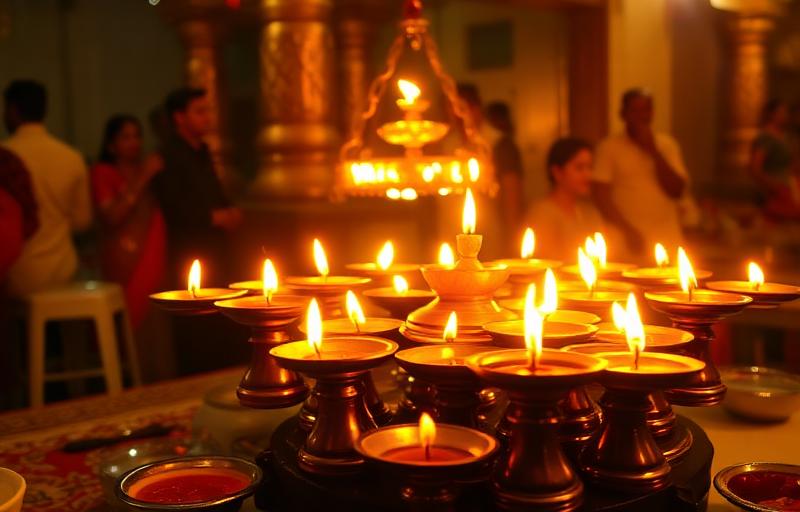
Ekadashi is the peak - but Vishnu's grace flows daily to those who maintain a consistent practice. Here is how to build one:
The 5-minute daily Vishnu practice (for everyone): 1. Light a ghee or tulsi oil diya before Vishnu's photo or Shaligram every morning 2. Offer a Tulsi leaf (most sacred of all Vishnu offerings) 3. Chant OM NAMO BHAGAVATE VASUDEVAYA 11 times 4. Read one shloka from Bhagavad Gita or one name from Vishnu Sahasranama 5. Close with: 'Hari OM'
The 20-minute practice (for dedicated practitioners):
- Full Vishnu puja with panchopachar (5 offerings)
- Read or sing Vishnu Sahasranama (full path takes ~20 minutes)
- Tulsi pradakshina 3 times
- Journal one Bhagavad Gita teaching and how you practiced it yesterday
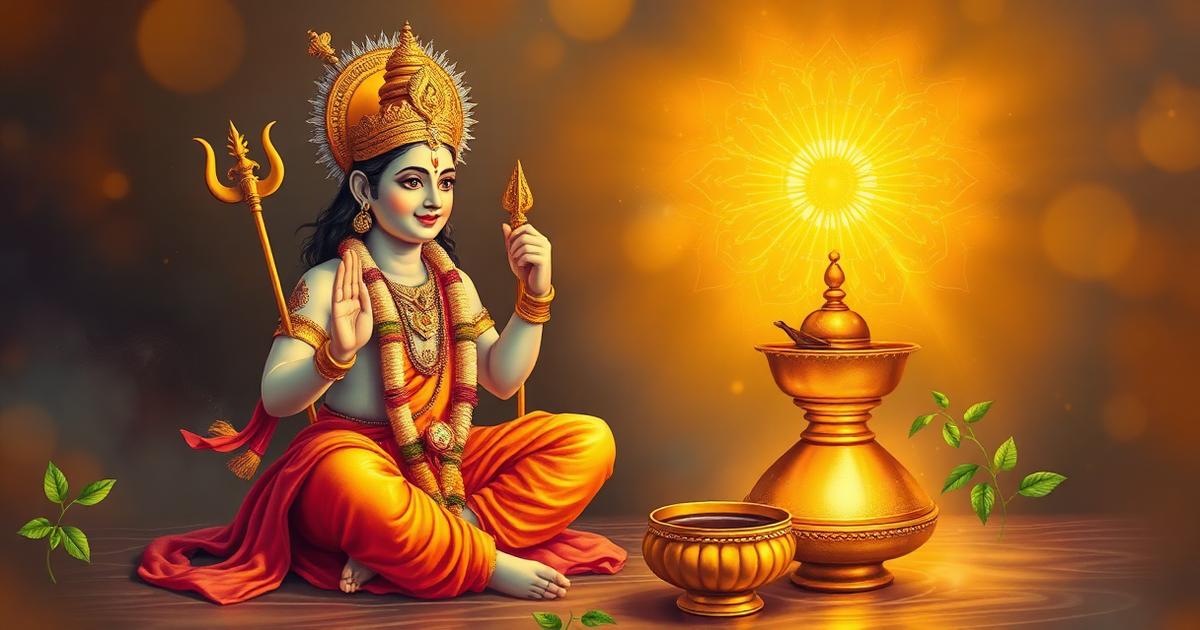
Vishnu's 4 sacred symbols to place in puja space: 1. Shankha (conch) - represents the primordial sound of creation 2. Chakra/Sudarshana - the wheel of dharma, cutting through adharma 3. Gada (mace) - represents strength given in service of righteousness 4. Padma (lotus) - purity arising from mud, beauty from difficulty
Best time for Vishnu puja: Brahma muhurat (4–6 AM) is ideal. Second best: morning before 9 AM. Ekadashi offers the special opportunity - so the daily practice builds the foundation, and Ekadashi amplifies it.
Reading path for Vishnu devotion:
- Beginner: Vishnu Sahasranama (daily)
- Intermediate: Bhagavata Purana (read one chapter daily, 12 skandas)
- Advanced: Ramayana + Bhagavad Gita (alternate chapters)
🙏 Vandnaa App has the complete Vishnu Sahasranama, Bhagavata Saptah, and daily Vishnu mantra sequences - all with audio guidance.
Reader Questions Answered
Can I rinse my mouth or brush teeth during Nirjala Ekadashi?+
Strictly speaking, no - even a drop of water entering the mouth breaks the vrat. Brush teeth thoroughly the night before. During the day, you can chew 2–3 fresh neem or tulsi leaves to freshen breath. Some traditions allow swishing water and spitting it out without swallowing - follow your family/guru tradition.
What if I accidentally drink water during the vrat?+
Don't panic. Sincere mistake does not destroy the entire vrat. Immediately apologize to Vishnu, chant 'Om Namo Bhagavate Vasudevaya' 108 times and continue the rest of the fast strictly. Resolve to do an extra Ekadashi vrat as prayaschit. Vishnu is the most merciful - He sees intent, not accident.
What should I donate on Nirjala Ekadashi for maximum punya?+
Water-related items multiply punya thousand-fold today. Donate: clay matkas filled with water, hand fans, umbrellas, sugarcane juice, watermelons, sattu drink, slippers, and white cotton clothes. Setting up a 'piyao' (free water stall) for travellers on this day is said to give the same moksha as the vrat itself.
About the author
Acharya Vinaya Kapoor · M.A. Sanskrit, Mantra & Stotra Studies
Acharya Vinaya holds an M.A. in Sanskrit from Banaras Hindu University and writes the mantra and stotra commentary on Vandnaa. Her focus is on accurate pronunciation, traditional context, and helping modern readers connect with classical texts.
Meet the Vandnaa editorial team →