What Is the Pancha Ishwaram
The Pancha Ishwaram refers to five ancient Shiva temples that devotional tradition holds have stood across Sri Lanka since early times, each positioned as if to watch over a different point of the island. The name itself simply means the five Ishwaram, ishwaram being a common term for a Shiva temple in the Tamil Shaiva tradition.
Together, these five shrines, Koneswaram in the east, Ketheeswaram in the northwest, Munneswaram in the west, Naguleswaram in the north and Tenavaram in the south, form one of the most cherished pilgrimage traditions associated with Sri Lanka's ancient Hindu heritage.
The Five Shrines, One in Each Direction
Each of the five temples carries its own history and legend, yet they are often spoken of together as a single sacred whole. Koneswaram sits dramatically on a clifftop in Trincomalee on the east coast, while Ketheeswaram stands near the historic port of Mannar in the northwest. Munneswaram, near Chilaw, watches over the western coast, and Naguleswaram, beside the healing springs of Keerimalai, marks the northern tip of the island.
Tenavaram, in the far south near Dondra, completes the circle. Its original grand structure faced heavy damage over the centuries, and while worship at the site continues in a smaller form today, it remains honoured in tradition as the fifth of the Pancha Ishwaram.
Making the Pancha Ishwaram Pilgrimage
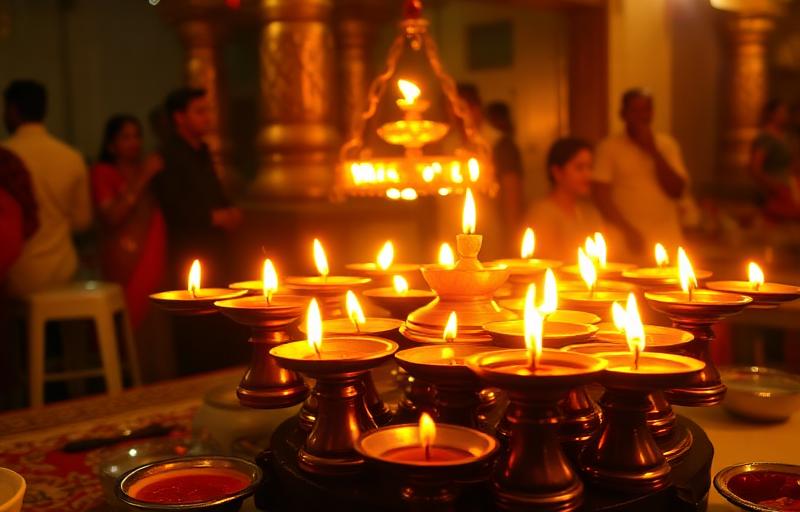
Many devotees, both from Sri Lanka and from Tamil Nadu and other parts of India, undertake a pilgrimage covering all five temples, treating the journey as a single devotional circuit dedicated to Shiva. Given the temples' spread across the island's coastline, this pilgrimage typically takes several days and is often planned around Maha Shivratri or other significant dates in the Shaiva calendar.
Pilgrims commonly describe the experience as one of encountering Shiva's presence in many different landscapes, from a clifftop over the sea to a temple beside natural springs, each shrine offering its own atmosphere while sharing the same devotional purpose.
What the Pancha Ishwaram Teach Devotees
Beyond their individual legends, the Pancha Ishwaram together teach a simple lesson: that sacred presence is not confined to one place, but can be found woven into an entire land when approached with faith. Visiting all five is not necessary to receive Shiva's blessing, yet for those who undertake the full circuit, it becomes a meaningful act of devotion in itself.
Honouring these five ancient shrines, whether in person or simply in memory, is an act of faith and love, not a transaction, a way of connecting with a devotional heritage that has endured on this island for many generations.
Frequently Asked Questions
What does Pancha Ishwaram mean?+
Pancha Ishwaram means the five Ishwaram, referring to five ancient Shiva temples spread across Sri Lanka, each honoured as a sacred shrine of the Shaiva devotional tradition.
Which five temples make up the Pancha Ishwaram?+
They are Koneswaram in Trincomalee, Ketheeswaram in Mannar, Munneswaram near Chilaw, Naguleswaram in Jaffna, and Tenavaram near Dondra in the south.
Do devotees need to visit all five temples together?+
No, each temple can be visited independently for darshan, though many devotees choose to undertake the full circuit as a dedicated multi-day pilgrimage.
About the author
Pandit Ravindra Sharma · Vedic Rituals & Bhakti, 22+ years
Pandit Ravindra is the Vandnaa editorial team's resident specialist on aarti, chalisa, and daily devotion. He has performed home and temple pujas across Varanasi and Delhi for over two decades and contributes the bhakti-focused articles on this site.
Meet the Vandnaa editorial team →