What is the Panchakshari Mantra?
'Panchakshari' (पञ्चाक्षरी) literally means 'of five syllables'. The Panchakshari Mantra is 'Namah Shivaya' (नमः शिवाय) - 5 Sanskrit syllables: Na-Ma-Shi-Vā-Ya. When 'Om' (ॐ) is added at the beginning, it becomes 'Om Namah Shivaya' - the Shadakshari (six-syllable). Strictly speaking, the original Panchakshari is just 5 syllables without Om; the addition of Om makes it 'Shadakshari Panchakshari' (six-syllable variant of five-syllable). In daily practice, both forms are used interchangeably, with 'Om Namah Shivaya' being the most common. The mantra appears in the Sri Rudram (the Vedic Shiva hymn from Yajur Veda), specifically in the 8th anuvaka. Acharya Shankara called it 'the king of all mantras' (Mantra Raja). It is the mantra given by Lord Shiva himself to all his great devotees - Markandeya, Bhakta Pundalik, Nayanmars (the 63 Tamil Shaiva saints). Unlike beej mantras that need precise pronunciation, Panchakshari is so universal and forgiving that even children mispronouncing it receive full benefit - Shiva is 'Bhola Bhandari' (innocent generous one). The mantra is considered the most powerful for Kali Yuga (current age) because it requires NO ritual, NO ingredients, NO guru initiation, NO mala - anyone, anytime, anywhere can chant it and receive Shiva's grace.
Deeper Meaning - What Each Syllable Represents
Each of the 5 syllables represents a primal element (panchabhuta) and a chakra: NA (न): Earth element (Prithvi tattva), Muladhara chakra (root, at perineum), color yellow. This syllable grounds you, removes fear, gives stability. Symbolically, 'Na' is the sound of self-negation - 'Na aham' (not I) - surrender of ego. MA (म): Water element (Apas tattva), Svadhisthana chakra (sacral, below navel), color silver/white. This syllable purifies emotions, brings flow, removes attachments. 'Ma' is also the sound of 'mother' across languages - invoking the maternal compassion of Shiva (Ardhanarishvara - half-mother form). SHI (शि): Fire element (Agni tattva), Manipura chakra (solar plexus, at navel), color red. 'Shi' is Shiva's seed - destructive purifying fire that burns karma. Activates personal power, digestion of life experiences. VA (वा): Air element (Vayu tattva), Anahata chakra (heart center), color green/pink. 'Va' is the sound of breath/wind - Shiva as Pavana (wind). Opens heart, brings love, dissolves emotional walls. YA (य): Ether/Space element (Akasha tattva), Vishuddha chakra (throat), color blue/purple. 'Ya' is the sound of expansion, vastness, cosmic space. Removes limited thinking, opens consciousness to infinity. Together: 'Om Namah Shivaya' takes you from Muladhara to Vishuddha, traveling through all 5 elements of the body. Repeated chanting cleanses each chakra in sequence. After 5 minutes of chanting, the body becomes a 'Shiva Linga' - a column of light from base to throat. The Om at the start activates the Ajna chakra (third eye) and the silent presence after the chant activates Sahasrara (crown). So the complete mantra is a chakra-cleansing tool by sound alone.
11 Transformative Benefits of Daily Panchakshari Chanting
1. Burns past karma (samskara dahana) - Shiva is the destroyer of accumulated karma. 1 mala daily for 41 days literally lightens karmic burden - devotees report feeling 'free' from old guilt, resentment, regret. 2. Cures Mahashani dosha - Saturn (Shani) is Shiva's disciple. People in 7.5-year Sade Sati or Dhaiya phase who chant Panchakshari daily report dramatic reduction in obstacles. 3. Removes fear of death - Shiva is Mahakal (lord of death). Continuous Panchakshari practice removes thanatophobia (fear of death). Many terminally ill patients use this mantra to face the end peacefully. 4. Awakens Kundalini gradually - Unlike sudden kundalini awakening (which can cause psychological issues), Panchakshari awakens the dormant spiritual energy slowly and safely over months/years. 5. Cures chronic anger and impatience - Shiva's energy is 'shanta' (peaceful) within his Rudra form. Chanting balances pitta (fire) imbalance. Anger management therapy in India often includes Panchakshari. 6. Heals throat and voice issues - The Vishuddha chakra (throat) is activated by 'Ya' syllable. Singers, teachers, salespersons with weak voice see improvement. 7. Cures insomnia - Final syllable 'Ya' opens the silence beyond sound. Lying in bed and silently chanting 21 cycles induces deep sleep within 7 minutes. 8. Reduces blood pressure - Studies at NIMHANS Bangalore showed group Panchakshari chanting lowers systolic BP by 8-12 mmHg over 21 days. 9. Improves marriage and finds life partner - Shiva-Parvati are the divine couple. Unmarried devotees chanting daily on Monday find compatible partners; married couples in conflict find harmony. 10. Spiritual liberation (moksha) - Ultimate benefit. The Skanda Purana states Panchakshari is the direct path to moksha in Kali Yuga. 11. Becomes a permanent inner companion - After 1+ year of daily practice, 'Om Namah Shivaya' automatically runs in the mind during work, walking, eating. This is called 'ajapa japa' (effortless chanting) - the highest state of mantra sadhana.
How to Chant Panchakshari - Step-by-Step

Best days: Monday (Shiva's day), Saturday, Mahashivaratri (greatest), every Pradosh (13th tithi). Avoid Tuesday for fresh starts. Best time: Brahma Muhurta (4-6 AM), Pradosh kaal (sunset transition, 4:30-6 PM in winter, 6-7:30 PM in summer), or midnight (especially on Mahashivaratri). Materials: 1. Rudraksha mala (5-mukhi or panchamukhi - sacred to Shiva). 2. Bilva leaves (Shiva's favorite plant). 3. Bhasma (sacred ash) for tilak. 4. White flowers (no red/yellow for Shiva traditional). 5. Cold water, milk, or panchamrit for abhishek (if you have a lingam). 6. Cotton wick ghee diya. Preparation: 7. Cold bath ideally (Shiva's signature is cold water). 8. Wear white clothes (Shiva's color). 9. Sit on a wool aasan facing east or north. 10. Apply bhasma tilak in three horizontal lines on forehead (tripundra). The chant: 11. Begin with 'Om' three times slowly (each Om about 6-8 seconds). 12. Then chant 'Om Namah Shivaya' 108 times using rudraksha mala. 13. Pronunciation: 'Om' (long), 'Nu-mah' (medium), 'Shi-vai' (slightly emphasized 'Shi'), 'Ya' (trailing off into silence). 14. Pace: one mantra per 5-6 seconds = ~10 minutes for one mala. Optional advanced practice: 15. Visualize each syllable settling in its corresponding chakra (Na-Muladhara, Ma-Svadhisthana, Shi-Manipura, Va-Anahata, Ya-Vishuddha). 16. Or visualize a column of light building from your base to your throat as you chant. After completion: 17. Sit silently for 5-10 minutes. This is when Shiva's energy 'settles' in you. The greatest benefit comes from this post-chant silence, not the chant itself. 18. Offer Bilva leaf at the lingam (or in your puja thali). 19. Don't talk to anyone for 30 minutes after - the energy needs to integrate.
Mahashivaratri Panchakshari - Once-a-Year Power
Mahashivaratri (the 'Great Night of Shiva'), occurring on the 14th tithi of Krishna paksha of Phalgun month (February-March), is when Panchakshari has multiplied power. Tradition holds that during this single night, even one mantra equals 100 of normal days. The 12-hour window from sunset to next sunrise is divided into 4 prahars (3-hour blocks), and devotees stay awake performing Panchakshari japa + abhishek throughout. Prahar 1 (sunset to 9 PM): Abhishek with milk + chant 108 mantras. Prahar 2 (9 PM to midnight): Abhishek with curd + 108 mantras. Prahar 3 (midnight to 3 AM): Abhishek with ghee + 108 mantras. Prahar 4 (3 AM to sunrise): Abhishek with honey + 108 mantras. Total: 432 Panchakshari mantras + 4 abhishekas. This single night practice carries the karmic power of 432 days of normal practice. Many devotees report life-changing visions, dreams, or sudden clarity on the morning after Mahashivaratri. Even doing just one segment (most people do midnight-3 AM, the supreme window) brings extraordinary blessings. The full fast (no food, no water for 24 hours) intensifies the result.
Quick Answers
Do I need to be a Shiva devotee to chant Panchakshari?+
No. Panchakshari is the most universal mantra. Even devotees of Vishnu, Krishna, or Goddess can chant it - Shiva is considered the supreme guru in all traditions. Christian, Muslim, Buddhist practitioners also chant it as a meditation mantra without conflict - its 5 syllables represent universal elements present in all religions. Adi Shankara called it 'the king of all mantras' and emphasized its non-sectarian nature.
Can I chant Panchakshari while doing other work?+
Yes - this is exactly what 'ajapa japa' (effortless chanting) means. While walking, cooking, in office, in traffic - silently repeat 'Om Namah Shivaya' in mind. Cannot be done while talking (that requires mental attention). The benefit is 60-70% of focused seated chanting, but you accumulate hours of japa per day this way. Sadhus and householders both use this method. Start with 10 minutes of background chanting daily and build up.
Is 'Om Namah Shivaya' the same as the Maha Mrityunjaya Mantra?+
No - both are Shiva mantras but very different. Panchakshari: 5 syllables, simple, universal, daily devotion. Maha Mrityunjaya: 'Om Tryambakam Yajamahe...' (32 syllables), focused specifically on health-life-death protection. Use Panchakshari for general spiritual progress and daily worship. Use Maha Mrityunjaya during illness, accidents, surgeries, danger. Many devotees do both: Panchakshari (108x) for sadhana, Maha Mrityunjaya (11x) as a protective shield daily.
Can children chant Om Namah Shivaya?+
Yes - it's the perfect children's mantra because it requires no complex pronunciation. Start age 4-5 with 5-11 repetitions, build to 21 by age 7, 108 by age 10. Children chanting Panchakshari show: better concentration in school, less aggression, better sleep, fewer fears. Many Hindu families teach this as the first mantra after 'Om' itself. Monday evening family Panchakshari sessions create strong family bonds and devotional culture.
Why does Panchakshari feel strange or scary sometimes?+
Shiva's energy is intense - he is the 'destroyer' aspect of the trinity. As you chant, dormant karmic patterns surface for clearing - sometimes manifesting as: unsettling dreams, sudden mood drops, old memories surfacing, fear of meditation itself. This is 'samskara dahana' (karma burning) - uncomfortable but healing. Don't stop; continue and add Ganesh's mantra (Om Gam Ganapataye Namah) before Panchakshari to smooth the process. After 21-40 days, the resistance passes and only peace remains. Consult a guru if disturbance is severe.
About the author
Acharya Vinaya Kapoor · M.A. Sanskrit, Mantra & Stotra Studies
Acharya Vinaya holds an M.A. in Sanskrit from Banaras Hindu University and writes the mantra and stotra commentary on Vandnaa. Her focus is on accurate pronunciation, traditional context, and helping modern readers connect with classical texts.
Meet the Vandnaa editorial team →Explore on Vandnaa
Related Articles
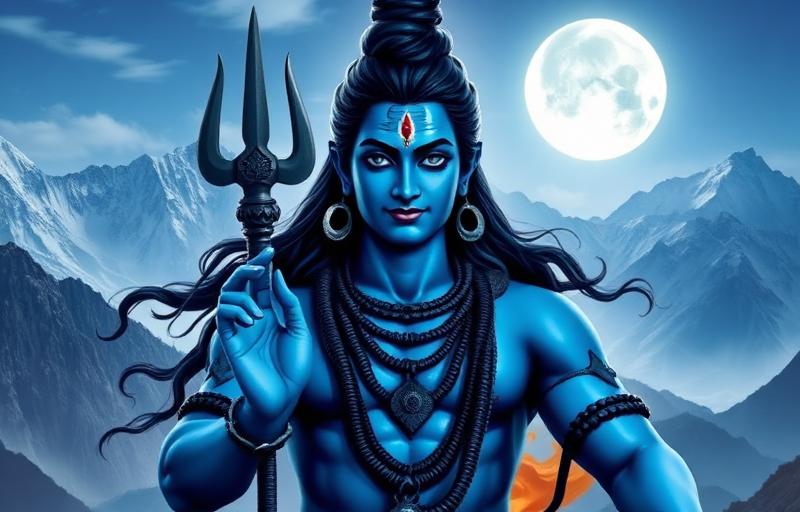
Om Namah Shivaya Mantra Benefits & Meaning (ॐ नमः शिवाय)
9 min read
Maha Mrityunjaya Mantra: Meaning & Benefits (महा मृत्युंजय मंत्र)
9 min read
Rudrashtakam: Meaning, Benefits & Jap Vidhi (Tulsidas's Shiva Stotra)
8 min read
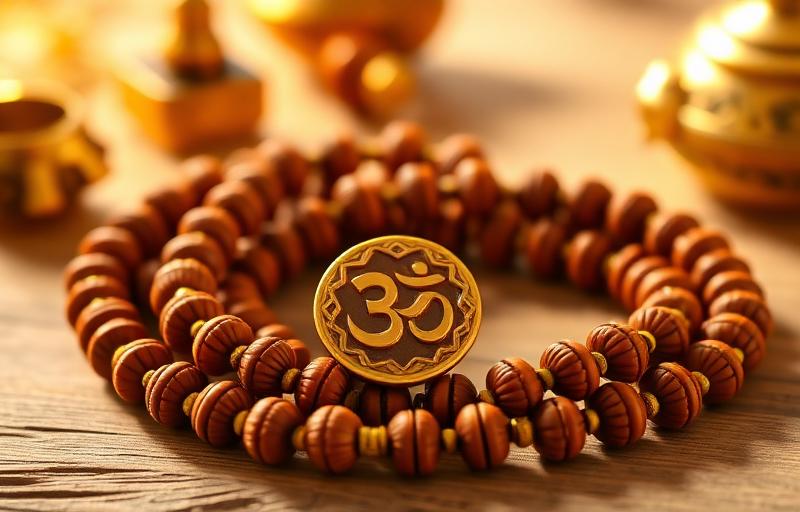
Mool Mantra - Most Powerful Beej Mantras for Every Deity (Complete Guide)
11 min read