Who is Pashupatinath - Lord of All Beings
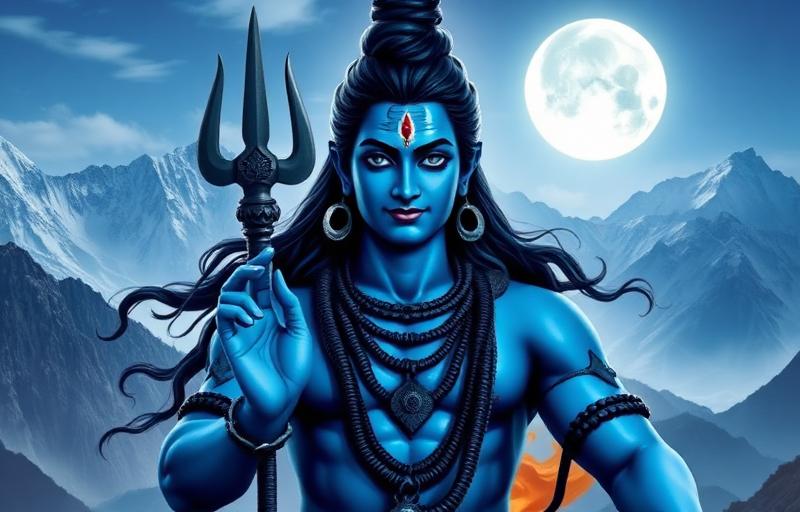
Pashupatinath is a form of Lord Shiva worshipped as Pashu-pati, the Lord and protector of all living beings. The temple complex on the western bank of the sacred Bagmati river in Kathmandu is regarded as one of the holiest Shiva shrines anywhere in the world, drawing devotees from across Nepal and India.
The main temple, with its pagoda-style roof and gold-plated spire, houses a sacred lingam with four faces looking in the cardinal directions and a fifth, unseen face said to look upward. Devotees believe that a darshan here is among the most purifying experiences a Shiva bhakta can have in a lifetime.
History and the Legend Behind Pashupatinath
According to tradition, Shiva and Parvati once wandered the forests of the Kathmandu valley in the form of deer, so enchanted by the beauty of the place that they wished to remain there. When the other gods sought Shiva out, he is said to have left behind one of his golden horns, which was later found and enshrined as the lingam of Pashupatinath. This is why the region was once known as Mrigasthali, the place of the deer.
The temple in its present form is centuries old, though tradition holds that a shrine has existed at this site since ancient times. It has been rebuilt and expanded by different rulers over the centuries, and today stands as a vast complex of temples, ashrams, images and inscriptions along the Bagmati.
Significance and What Devotees Pray For
Pashupatinath is considered one of the most important Shiva pilgrimage sites in the world, and it holds special reverence as a place where devotees seek liberation, peace for departed souls, and Shiva's grace over health and family wellbeing. Many Hindu families from Nepal and India regard cremation on the banks of the Bagmati here, near the temple, as deeply auspicious for the soul's journey.
Devotees also pray to Pashupatinath for:
- Protection over all living beings, in keeping with his role as Pashu-pati
- Freedom from fear and inner peace
- Blessings for family harmony and long life
- Spiritual progress on the path to moksha
As with all Shiva worship, the underlying belief is simple: sincere devotion matters more than any outward show, and worship here is an act of faith and love, not a transaction.
Darshan Guide - Timings and Festivals

The temple generally follows a pattern common to major Shiva shrines, opening early in the morning for the first aarti and closing after the evening aarti, with a midday break. Devotees are advised to check current timings before travelling, as they may vary by season and festival.
The most significant occasion at Pashupatinath is Maha Shivratri, when lakhs of devotees and sadhus from across Nepal and India gather at the temple through the night in prayer and celebration. Other Shiva-related observances, such as Mondays of the holy month of Shravan, also see large crowds of devotees. Non-Hindus are traditionally permitted to view the temple from across the Bagmati river, out of respect for the sanctity of the inner sanctum.
How to Reach Pashupatinath
Pashupatinath is located in Kathmandu, the capital of Nepal, and is easily accessible from anywhere in the city. Tribhuvan International Airport in Kathmandu is the nearest airport and connects to major Indian cities. Devotees travelling by road from India typically enter via the Nepal border and continue on to Kathmandu, which is well connected by highway to the rest of the valley.
Many pilgrims combine a visit to Pashupatinath with darshan at other sacred sites in the Kathmandu valley, making it a meaningful stop on a broader Nepal pilgrimage.
Mantra to Chant and the Takeaway
Devotees visiting or thinking of Pashupatinath often chant the simple and powerful Om Namah Shivaya ("I bow to Shiva"), or the Mahamrityunjaya Mantra, a prayer for protection and wellbeing traditionally associated with Shiva.
Pashupatinath reminds devotees that Shiva's compassion extends to every living being, not only humans. Whether or not one can make the journey to Kathmandu, remembering him with a sincere heart is, as tradition holds, enough to receive his grace.
Quick Answers
Why is Pashupatinath considered so significant among Shiva temples?+
Pashupatinath is regarded as one of the holiest Shiva shrines in the world, worshipped as the Lord of all living beings. Its ancient legend, sacred location on the Bagmati river and centuries of unbroken devotion give it special significance for devotees across Nepal and India.
Can non-Hindus visit Pashupatinath Temple?+
Traditionally, entry into the main temple complex is reserved for Hindus, while non-Hindu visitors can view the temple and its rituals from across the Bagmati river, out of respect for the sanctity of the inner sanctum.
What is the best time to visit Pashupatinath?+
Many devotees consider Maha Shivratri the most spiritually significant time to visit, though the temple welcomes devotees throughout the year. Early morning darshan during the first aarti is considered especially peaceful.
About the author
Pandit Ravindra Sharma · Vedic Rituals & Bhakti, 22+ years
Pandit Ravindra is the Vandnaa editorial team's resident specialist on aarti, chalisa, and daily devotion. He has performed home and temple pujas across Varanasi and Delhi for over two decades and contributes the bhakti-focused articles on this site.
Meet the Vandnaa editorial team →