Who Is Pochamma
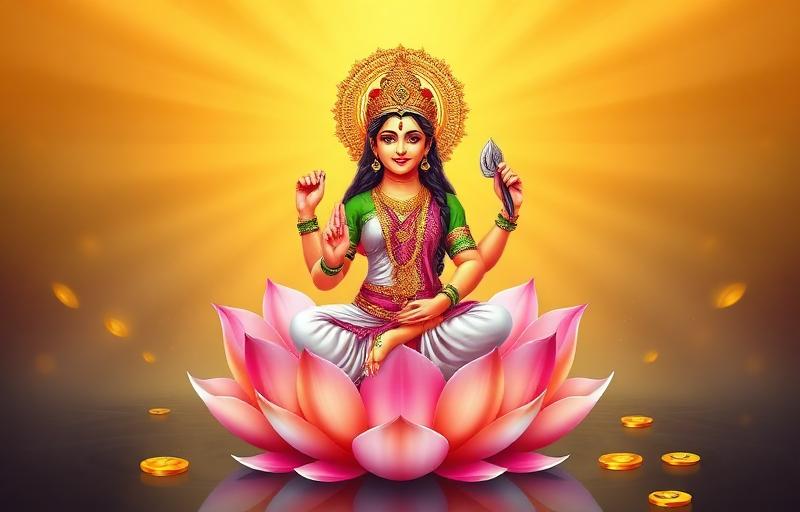
Across the villages and towns of Telangana, few deities are as widely and lovingly worshipped as Pochamma, a grama devata, or village guardian goddess, believed to watch over the health and wellbeing of entire communities. Her shrines, often simple and unadorned compared to grand temple architecture elsewhere, are found at the heart of countless settlements, sometimes no more than a modest structure beneath a tree.
Pochamma is one among a family of related village goddesses across Telangana, including Maisamma, Mutyalamma and Peddamma, each locally significant, together forming a web of grama devata worship deeply woven into the everyday devotional life of the region.
Origin and Story
Pochamma's worship, like that of many grama devatas across South India, is rooted in oral tradition carried forward by communities over generations rather than a single written scripture. Historically, such village goddesses were especially invoked in times of epidemics, most notably diseases like chicken pox and smallpox, with the goddess approached both as the one who could send affliction and, when honoured properly, the one who could withdraw it.
This belief, similar to the worship of Sheetla Mata in North India, reflects an old and widespread tradition across the subcontinent of associating certain mother goddesses with disease and its cure, worshipped with cooling offerings and careful ritual rather than fear alone.
Significance for Devotees
For devotees, Pochamma represents the protective, ever-present aspect of the Divine Mother who does not require a grand temple or elaborate ritual to be reached, only sincerity. She is often the first deity a family turns to for the health of a newborn child, recovery from illness, or protection of the home.
Her worship also carries a strong communal dimension, since village and neighbourhood shrines to Pochamma are typically maintained collectively, with festivals and offerings organised by the whole community rather than any single family, reinforcing bonds of shared faith and mutual care among neighbours.
How Devotees Worship
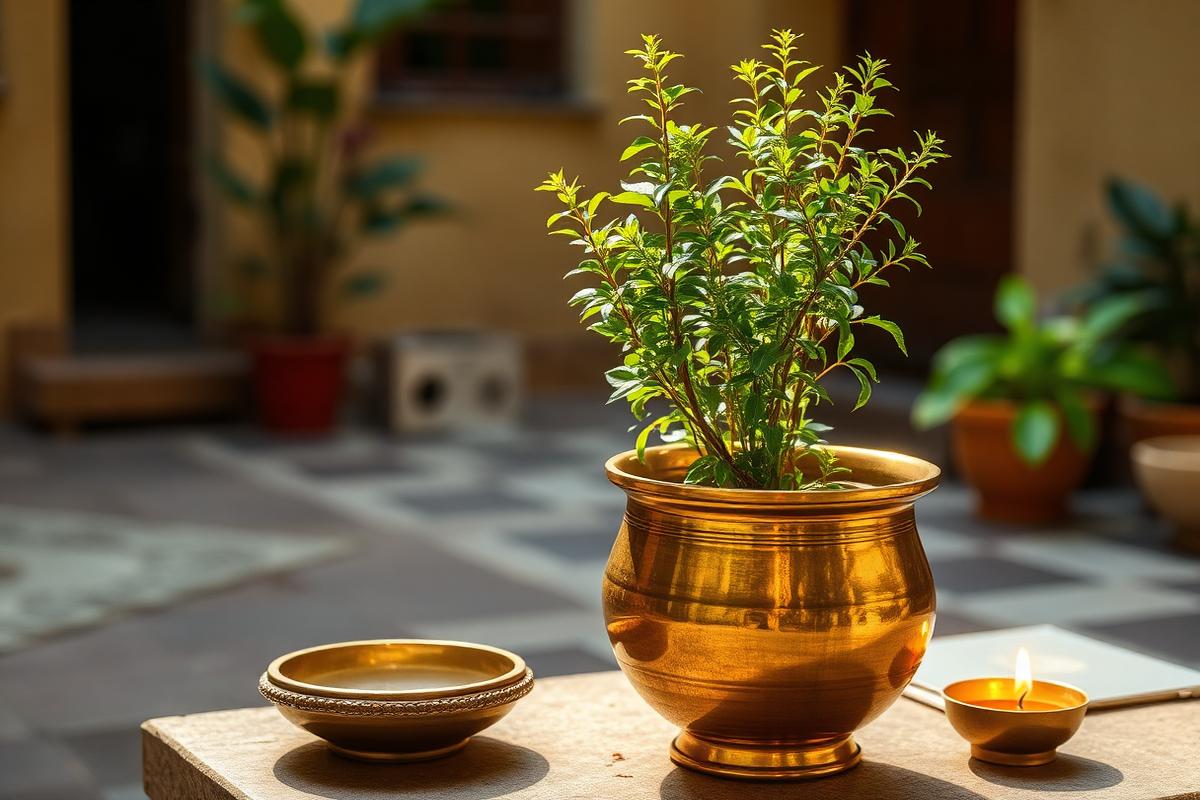
Worship of Pochamma typically involves simple offerings of turmeric, vermillion, neem leaves and coconuts, with neem holding particular significance given its traditional association with cooling and cleansing. Bonalu, the wider Telangana festival honouring goddesses across the state, sees Pochamma temples in many localities included among the celebrations, with devotees carrying decorated Bonam pots in her honour.
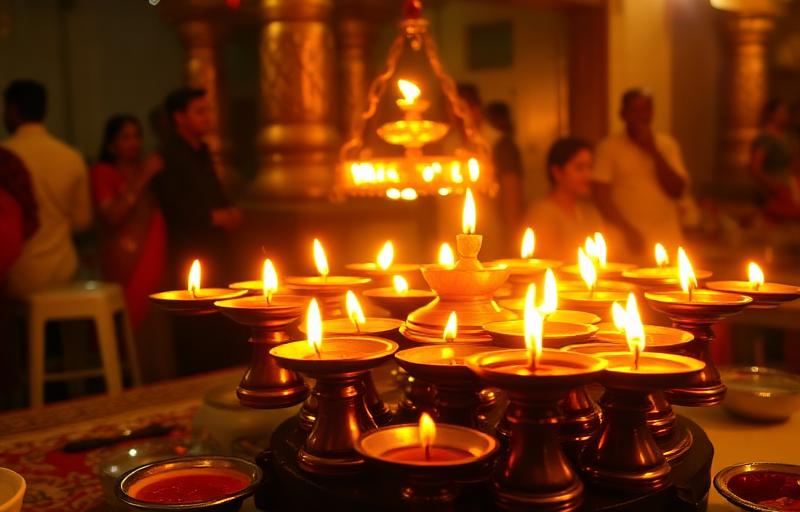
Families also perform small pujas at home shrines dedicated to Pochamma, especially during times of illness in the family, lighting a lamp and offering a simple prayer, reflecting how accessible and woven into daily life her worship remains, requiring no priest or elaborate arrangement to be meaningful.
Benefits as Per Tradition
Devotees believe that sincere worship of Pochamma brings protection from illness, especially for children, general wellbeing for the household, and a sense of security that comes from knowing a watchful mother presides over their community. As tradition holds, her grace is felt most strongly by those who honour her simply and consistently, rather than through occasional, elaborate gestures.
Many also credit her with the peaceful resolution of neighbourhood disputes and the maintenance of harmony within a locality, given her role as a shared guardian rather than a deity tied to any one household's private concerns.
A Devotional Takeaway
Devotees often simply say "Pochamma Talli, kaapadu", meaning Mother Pochamma, protect us, a phrase spoken with the same ease as one might speak to a trusted elder, reflecting the intimate nature of her worship across Telangana.
The story of Pochamma reminds devotees that the Divine Mother's grace does not require grandeur to be real, only faith offered consistently and with an open heart. Whether at a roadside shrine or during the colour of Bonalu, worship of Pochamma is, like all true devotion, an act of faith and love, not a transaction.
Reader Questions Answered
Who is Pochamma?+
Pochamma is a grama devata, or village guardian goddess, widely worshipped across Telangana and believed to watch over the health and wellbeing of entire communities, related to goddesses like Maisamma and Mutyalamma.
Why is Pochamma associated with protection from disease?+
Historically, village goddesses like Pochamma were especially invoked during epidemics such as chicken pox, approached with cooling offerings like neem and turmeric in the belief that proper worship could ward off or ease affliction.
How do devotees typically worship Pochamma?+
Worship typically involves simple offerings of turmeric, vermillion, neem leaves and coconuts, home pujas during illness, and participation in community festivals like Bonalu where decorated Bonam pots are carried in her honour.
About the author
Pandit Ravindra Sharma · Vedic Rituals & Bhakti, 22+ years
Pandit Ravindra is the Vandnaa editorial team's resident specialist on aarti, chalisa, and daily devotion. He has performed home and temple pujas across Varanasi and Delhi for over two decades and contributes the bhakti-focused articles on this site.
Meet the Vandnaa editorial team →