What Is Poila Boishakh and When Is It Celebrated
Poila Boishakh, also called Noboborsho, marks the first day of the Bengali month of Boishakh, usually falling in mid-April, around the same season as Baisakhi, Vishu and Puthandu elsewhere in India. It is the start of the Bengali calendar year, rooted in the same broad tradition of solar new year observances that spans the subcontinent.
For Bengali Hindu households, the day carries both a devotional and a domestic significance, blending temple prayers with home traditions meant to invite prosperity for the year ahead.
A New Year Rooted in Renewal
The Bengali calendar's new year is tied to the same solar reckoning that governs many regional new year traditions across India, marking the sun's position at the start of a fresh agricultural and financial cycle.
Over generations, Poila Boishakh grew beyond a purely agricultural marker into a broader occasion for renewal, closing old matters and opening new ones, a spirit that shaped its most distinctive custom, the Halkhata, or the opening of fresh ledger books, especially among trading and business families.
Halkhata, Puja and New Beginnings
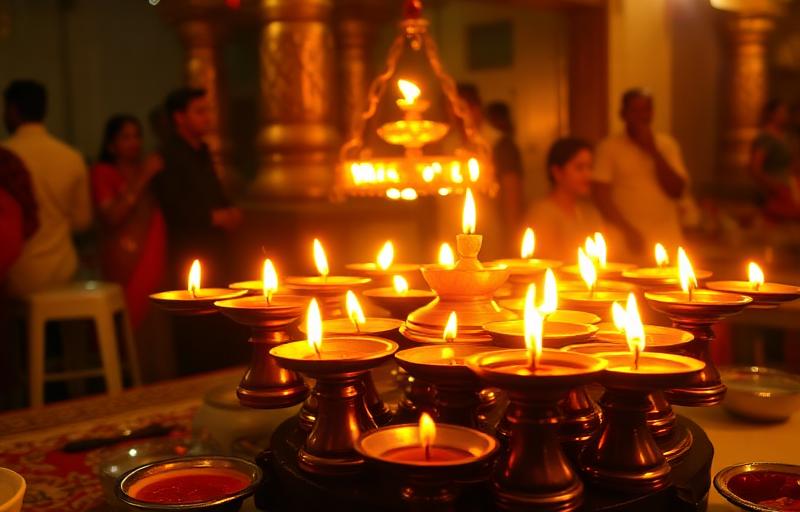
The day begins with a bath and new clothes, often traditional dhoti and saree, followed by prayers at home and at temples, especially to Lakshmi and Ganesh, seeking prosperity and wisdom for the year ahead.
Halkhata remains the day's most iconic ritual, shopkeepers close old account books and open new red-bound ledgers, inviting customers with sweets. Homes are cleaned and decorated with alpana, rice-paste patterns drawn at the doorstep, and families visit relatives to exchange greetings of "Shubho Noboborsho."
Bengal's Place Among India's New Years
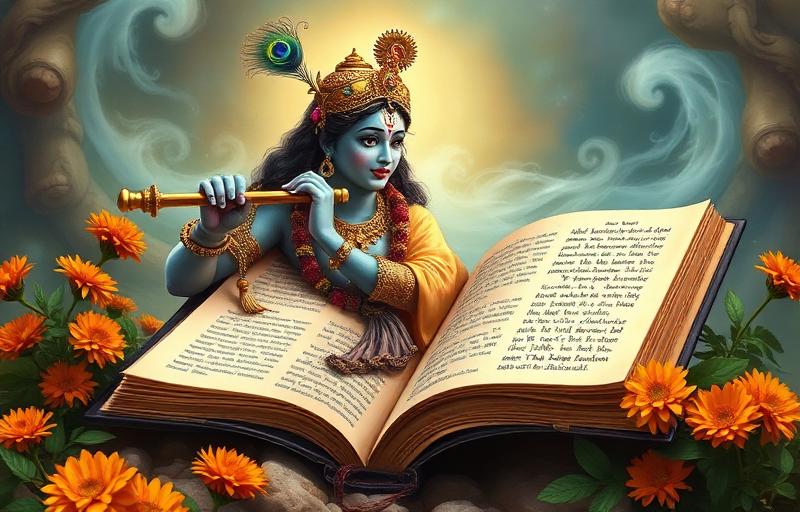
Poila Boishakh belongs to the same mid-April family of new year festivals as Baisakhi, Puthandu, Vishu and Bihu, yet its character is distinctly Bengali, shaped by its blend of commerce and devotion through Halkhata, and its emphasis on cultural gatherings and adda, informal conversation among family and friends.
While other regions centre their new year around a specific dish or a symbol raised outside the home, Bengal's celebration leans toward the domestic and communal, ledger books, sweets, and the gentle art of visiting loved ones.
Prayers and Festive Food
Prayers on Poila Boishakh centre on Lakshmi and Ganesh, often with the simple invocation Om Shreem Mahalakshmyai Namah, seeking wealth and wisdom together for the year ahead.
The festive table is filled with Bengali specialities, panta bhat with fried fish and green chilli in the traditional countryside custom, alongside sweets like rasgulla, sandesh and mishti doi, shared generously with family and guests as a mark of the new year's abundance.
Closing Old Accounts, Opening New Hope
Poila Boishakh carries a quiet devotional wisdom in its most practical ritual, the closing of old ledgers and opening of new ones. It teaches that a fresh start requires honestly settling the past before stepping forward with hope.
Worship is an act of faith and love, not a transaction, and this Bengali new year, with its blend of Lakshmi's blessing and simple family joy, reflects that same spirit of gratitude carried across India's many regional new years.
Common Questions From Devotees
What is Halkhata in Poila Boishakh?+
Halkhata is the Bengali tradition of closing old account books and opening fresh red-bound ledgers on the new year, a custom especially observed by shopkeepers and business families as a symbolic financial new beginning.
Which deities are worshipped on Poila Boishakh?+
Lakshmi and Ganesh are the primary deities worshipped on Poila Boishakh, invoked together for prosperity and wisdom as families and businesses begin their new year.
How does Poila Boishakh relate to other Indian new year festivals?+
Poila Boishakh falls in the same mid-April season as Baisakhi, Vishu, Puthandu and Bihu, all marking a solar new year in their own regional way, showing how widely this seasonal turning point is honoured across India.
About the author
Pandit Mahesh Trivedi · Festival Traditions & Panchang
Pandit Mahesh leads the festival-date and Panchang content on Vandnaa. He cross-references multiple regional panchangs (Drik, Vaishnava, Bengali, Marathi) for every festival date published on the site.
Meet the Vandnaa editorial team →