What is Pranayama? Why Breath is the Spiritual Highway
Pranayama (प्राणायाम) is composed of two Sanskrit words: Prana (vital energy / life force) + Ayama (extension/control). Together - 'extending the life force through controlled breathing'. Patanjali's Yoga Sutras (Chapter 2) define pranayama as the 4th of 8 limbs of yoga, coming after physical asanas. The fundamental insight: breath and mind are two sides of the same coin. Anxious mind = rapid breath. Calm mind = slow breath. Conversely - slow down the breath consciously, and the mind automatically calms. Conscious breath control is the most direct path to mental control. Modern science confirms what yogis knew 5000 years ago: 1. Vagus nerve activation - slow breathing activates the parasympathetic nervous system, lowering cortisol and blood pressure within 90 seconds. 2. Brain wave shift - within 5 minutes of pranayama, brain shifts from active Beta waves (busy thinking) to Alpha (calm focus) and even Theta (meditative state). 3. Cellular oxygenation - proper breathing increases blood oxygen saturation by 4-7% in minutes. 4. Hormonal balance - daily 15-min pranayama balances cortisol, melatonin, serotonin within 21 days. The 8 pranayamas covered in this guide are progressive: start with simple Anulom Vilom and Bhramari (anyone, day 1), build to Kapalbhati and Bhastrika (after 30 days of basic practice), advanced practitioners progress to Ujjayi, Sheetali, Sheetkari, and finally Nadi Shodhan. Universal pre-pranayama setup: 1. Empty stomach (2 hours after meal). 2. Sit on yoga mat, cross-legged, spine straight. 3. Face east or north. 4. Loose comfortable clothing. 5. Take 3 deep breaths first to settle. 6. Time of day: Brahma Muhurta (4-6 AM) is ideal; evening sandhya is second best. 7. Duration: start with 5 minutes total, build to 30-45 minutes over months.
First 4 Pranayamas (Beginners - Start Here)
1. Anulom Vilom (Alternate Nostril Breathing) - the foundation of all pranayama. Technique: Sit comfortably. Close right nostril with right thumb. Inhale slowly through left nostril (4 counts). Close left nostril with right ring finger, release right thumb. Exhale through right nostril (6 counts). Inhale through right nostril (4 counts). Close right nostril, open left. Exhale through left nostril (6 counts). That's 1 round. Do 10-21 rounds daily. Benefits: balances the two hemispheres of the brain, calms anxiety, lowers BP, improves sleep. Anyone can do; absolutely safe. 2. Bhramari (Bee Breath) - for instant calm. Technique: Sit upright. Close ears with thumbs, eyes with index fingers, lightly press cheeks with middle fingers (resting position). Inhale through nose slowly. Exhale slowly while making a 'mmmmmm' humming sound (like a bee). The vibration resonates in your skull. Do 5-11 rounds. Benefits: dramatically lowers anxiety in 2-3 minutes, helps tinnitus, improves voice, calms anger. Perfect for office breaks. 3. Kapalbhati (Skull-Shining Breath) - energizing. Technique: Sit upright. Inhale normally through both nostrils. Exhale FORCEFULLY through both nostrils while pulling the navel sharply INWARD (the exhale is active, inhale is passive - opposite of normal). Pace: 1 exhale per second initially, building to 2 per second. Do 30 exhales = 1 round. 3 rounds. Benefits: detoxifies lungs, boosts metabolism, energizes mind, removes lethargy. AVOID if: high BP, pregnant, heart condition, recent surgery, menstruating. 4. Bhastrika (Bellows Breath) - energy booster. Technique: Sit upright. Take FORCEFUL inhale through both nostrils (chest expands fully). Then FORCEFUL exhale through both nostrils. Both are active. Pace: 1 cycle per second. Do 30 cycles = 1 round. 2-3 rounds. Benefits: increases body heat, boosts immunity, fights cold/cough, energizes nervous system. AVOID if: high BP, vertigo, pregnancy, eye/ear problems.
Next 4 Pranayamas (Intermediate-Advanced)
5. Ujjayi (Victorious Breath / Ocean Breath) - for focus and calm. Technique: Sit upright. Inhale slowly through both nostrils while slightly constricting the throat (as if whispering with closed mouth). This produces an ocean-wave sound at the back of throat. Exhale slowly through both nostrils with the same throat constriction. Pace: 6 counts in, 8 counts out. Do 11-21 rounds. Benefits: improves concentration, calms the nervous system, deepens meditation, regulates blood pressure. Safe for almost everyone; especially good for executives and students. 6. Sheetali (Cooling Breath) - for body heat reduction. Technique: Curl tongue into a tube (if you can - about 65% of people can). Inhale slowly THROUGH the tongue tube (the air gets cooled). Close mouth and exhale through nose. Do 5-15 rounds. Benefits: cools the body in summer, reduces anger and irritation, helps acidity, lowers fever. Best in summer (April-September); avoid in winter. 7. Sheetkari (Hissing Breath) - alternative to Sheetali if you can't curl tongue. Technique: Open mouth slightly, clench teeth together (top + bottom touching), tongue behind teeth. Inhale through teeth with a hissing 'see' sound. Close mouth and exhale through nose. Do 5-15 rounds. Benefits: same as Sheetali - cooling, calming, anti-anger. 8. Nadi Shodhan (Channel Purification) - the master pranayama. This is essentially advanced Anulom Vilom with kumbhaka (retention). Technique: Same as Anulom Vilom but with breath retention: Inhale through left (4 counts), HOLD breath (8 counts), exhale through right (8 counts), HOLD outside (4 counts), inhale right (4 counts), HOLD (8 counts), exhale left (8 counts), HOLD (4 counts) = 1 full cycle. The 1:2:1 ratio is the key. Start with 5 cycles, build to 21 cycles over months. Benefits: deep purification of energy channels (nadis), profound mental clarity, awakening of kundalini. Critical: Only attempt Nadi Shodhan AFTER 60 days of regular Anulom Vilom practice. Premature attempt can cause dizziness or breath imbalance. Best learned under a teacher initially.
Recommended Daily Pranayama Routine
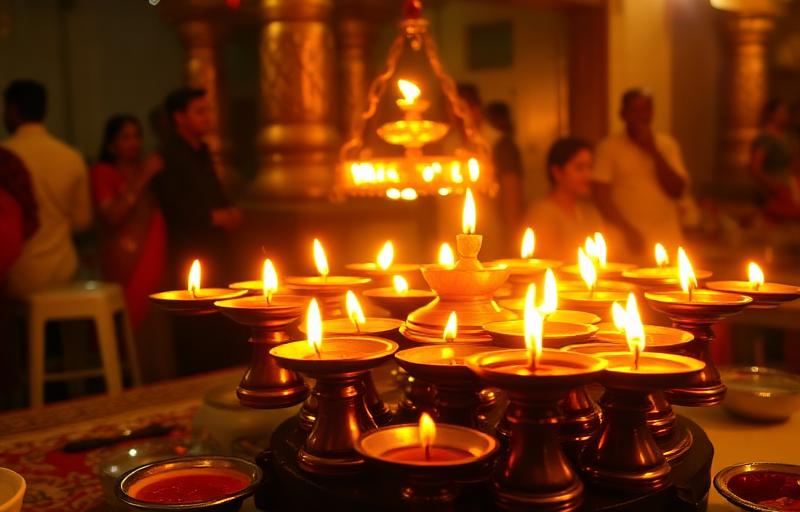
Beginner routine (Week 1-4, 10 minutes total): 1. Deep breathing 2 minutes. 2. Anulom Vilom 10 rounds (3 min). 3. Bhramari 5 rounds (2 min). 4. Sit silently 3 min. Do morning and evening. Intermediate routine (Week 5-12, 20 minutes): 1. Deep breathing 2 min. 2. Kapalbhati 3 rounds (3 min). 3. Bhastrika 2 rounds (2 min). 4. Anulom Vilom 21 rounds (5 min). 5. Bhramari 7 rounds (2 min). 6. Ujjayi 11 rounds (3 min). 7. Sit silent 3 min. Advanced routine (Month 4+, 45 minutes): 1. Deep breathing 3 min. 2. Kapalbhati 5 rounds (5 min). 3. Bhastrika 3 rounds (3 min). 4. Anulom Vilom 21 rounds (5 min). 5. Bhramari 11 rounds (3 min). 6. Ujjayi 21 rounds (5 min). 7. Sheetali 11 rounds (3 min). 8. Nadi Shodhan 11 cycles (10 min). 9. Sit silent 8 min for meditation. Universal contraindications: 1. Empty stomach mandatory. 2. Avoid during fever, asthma attacks, or after major surgery. 3. Pregnancy: only gentle Anulom Vilom and Bhramari; avoid forceful pranayamas. 4. Menstruation: avoid forceful pranayamas (Kapalbhati, Bhastrika). Anulom Vilom, Bhramari, Sheetali are OK. 5. Heart conditions: get doctor approval; start very gentle. 6. Eye conditions (glaucoma, retina issues): avoid pressure-building practices. Combined with mantra: Many devotees chant 'So-Hum' silently during pranayama - 'So' on inhale, 'Hum' on exhale. This converts breathing practice into meditation. Expected results timeline: Week 1 - slightly calmer mind. Week 2-3 - better sleep. Month 1 - visible weight management, energy boost. Month 3 - measurable BP reduction, immunity boost. Month 6 - life-changing - most practitioners say pranayama becomes 'as essential as breakfast'.
Frequently Asked Questions
Can pranayama replace medication for BP / anxiety?+
Don't stop medication without doctor's approval. Pranayama is a powerful complement - many people gradually reduce medication dose under medical supervision as their pranayama practice deepens. Realistic timeline: 3-6 months of consistent practice + doctor monitoring. Anxiety: Bhramari shows clinical-level reduction. BP: Anulom Vilom + Ujjayi lower systolic by 10-15 mmHg over 90 days. Always coordinate with your physician - don't go solo.
When during the day should I do pranayama?+
Best: Brahma Muhurta (4-6 AM, before sunrise). Air is freshest, mind is calmest. Second best: Sandhya (6-7 PM, before sunset). Avoid: After meals (wait 2 hours), late at night (energizing pranayamas like Kapalbhati can disturb sleep), during fever or illness. Consistency matters more than perfect timing - pick a time you can do daily.
Can children do pranayama?+
Age 6+ for gentle pranayamas (Anulom Vilom, Bhramari, deep breathing). Age 12+ for moderate practices. Forceful pranayamas (Kapalbhati, Bhastrika) only after 16. Children doing daily 10-min Bhramari + Anulom Vilom show: better concentration in school, less hyperactivity, improved sleep, fewer asthma flare-ups (great for asthmatic kids). Make it playful - kids hate boring practices.
Do I need a teacher for pranayama or can I learn online?+
Beginner pranayamas (Anulom Vilom, Bhramari, Kapalbhati, Bhastrika) - YouTube/apps work fine. Watch certified teachers (Baba Ramdev, Sadhguru, AOL teachers). Advanced pranayamas (Nadi Shodhan with kumbhaka, Surya Bhedi, Chandra Bhedi) - IN-PERSON teacher highly recommended. Wrong technique with retention can cause real harm (high BP spike, dizziness, breath imbalance). Don't progress to advanced techniques solo. Online learning + 1-2 weekend workshops with a senior teacher = ideal combo.
About the author
Pandit Ravindra Sharma · Vedic Rituals & Bhakti, 22+ years
Pandit Ravindra is the Vandnaa editorial team's resident specialist on aarti, chalisa, and daily devotion. He has performed home and temple pujas across Varanasi and Delhi for over two decades and contributes the bhakti-focused articles on this site.
Meet the Vandnaa editorial team →Explore on Vandnaa
Related Articles
Brahma Muhurta - Exact Time, 7 Benefits & How to Wake Up Easily Every Day
10 min read

Gayatri Mantra Meaning, Benefits & How to Chant (गायत्री मंत्र)
12 min read

5-Minute Meditation for Beginners – Science-Backed Guide with 6 Techniques + 21-Day Plan
12 min read
Best Morning Mantras for Positive Energy (सुबह के मंत्र)
8 min read
Panchakshari Mantra - Om Namah Shivaya Deep Meaning, 11 Benefits & Vidhi
10 min read
How to Stay Calm in Difficult Times – Bhagavad Gita Wisdom (भगवद्गीता)
9 min read