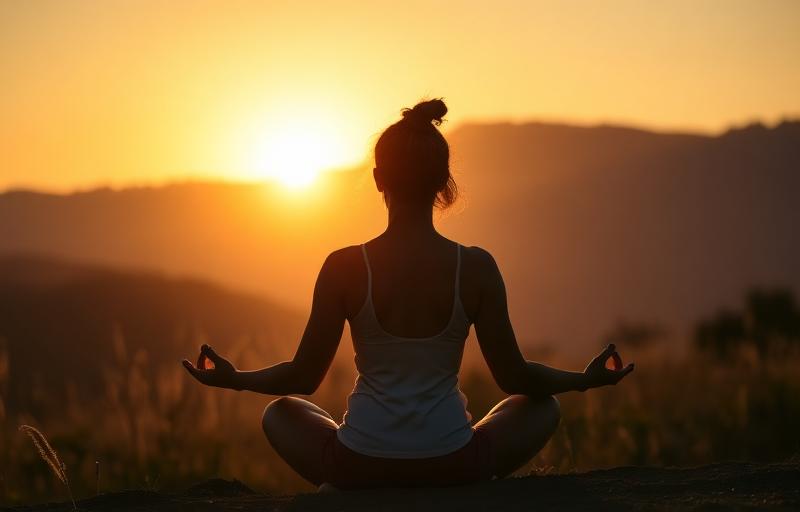
What Is Pratyahara?
Pratyahara is the fifth limb of Patanjali's eight-limbed (Ashtanga) yoga. The word combines prati (against, or back) and ahara (that which is taken in), and is usually translated as the withdrawal of the senses.
In daily life, our senses constantly reach outward - toward sights, sounds, tastes and thoughts - pulling the mind along with them. In pratyahara, the senses are gently drawn back inward, no longer scattered by every impression. Patanjali describes it beautifully: when the senses withdraw from their objects and follow the mind inward, that is pratyahara.
It is not a forceful shutting off of the world, but a natural turning within, like a tortoise drawing its limbs into its shell. This inward gathering prepares the mind for deeper concentration and meditation.
The Bridge Between Outer and Inner Yoga
The eight limbs of yoga are often seen in two groups. The first four - yama, niyama, asana and pranayama - are the outer limbs, concerned with conduct, body and breath. The last three - dharana (concentration), dhyana (meditation) and samadhi (absorption) - are the inner limbs.
Pratyahara stands right between them, as the essential bridge. Without withdrawing the senses, the mind keeps chasing outer impressions and cannot settle into concentration. With pratyahara, attention is freed from the pull of the world and becomes available for the inward journey.
This is why the tradition treats pratyahara as a turning point in practice. It marks the moment when yoga shifts from working with the outer person to exploring the inner one, gently closing the doors of distraction so the deeper stillness within can be discovered.
How It Is Cultivated and Why It Matters
Pratyahara is not usually practised as a separate technique but grows naturally out of steady practice. A few traditional supports include:
- Steady breath - as pranayama calms the breath, the senses grow quiet on their own.
- A single focus - resting attention on a mantra, the breath or a chosen point loosens the grip of outer distractions.
- Simplicity - reducing needless stimulation in daily life makes inward turning easier.
Why does it matter? In a world of constant noise and screens, pratyahara offers a priceless skill: the ability to reclaim attention from endless pulls and return it to the present. It brings a calmer, less reactive mind and prepares the ground for meditation.
Learn such practices gently, ideally with a qualified teacher, and be patient; this inward turning ripens slowly.
Frequently Asked Questions
What does pratyahara mean?+
Pratyahara means the withdrawal of the senses. It is the fifth limb of Patanjali's ashtanga yoga, in which the senses are gently drawn inward and no longer scattered by outer objects, so that attention can settle within for concentration and meditation.
Why is pratyahara called a bridge?+
It is called a bridge because it links the outer limbs of yoga - conduct, posture and breath - with the inner limbs of concentration, meditation and absorption. By turning the senses inward, pratyahara frees attention from the world so the deeper, inner practices can begin.
How can I practise pratyahara?+
Pratyahara grows naturally from steady practice rather than a single technique. Calming the breath, resting the mind on one point such as a mantra, and reducing needless stimulation all help the senses turn inward. Learn gently, ideally with a qualified teacher, and be patient as it deepens over time.
About the author
Pandit Ravindra Sharma · Vedic Rituals & Bhakti, 22+ years
Pandit Ravindra is the Vandnaa editorial team's resident specialist on aarti, chalisa, and daily devotion. He has performed home and temple pujas across Varanasi and Delhi for over two decades and contributes the bhakti-focused articles on this site.
Meet the Vandnaa editorial team →