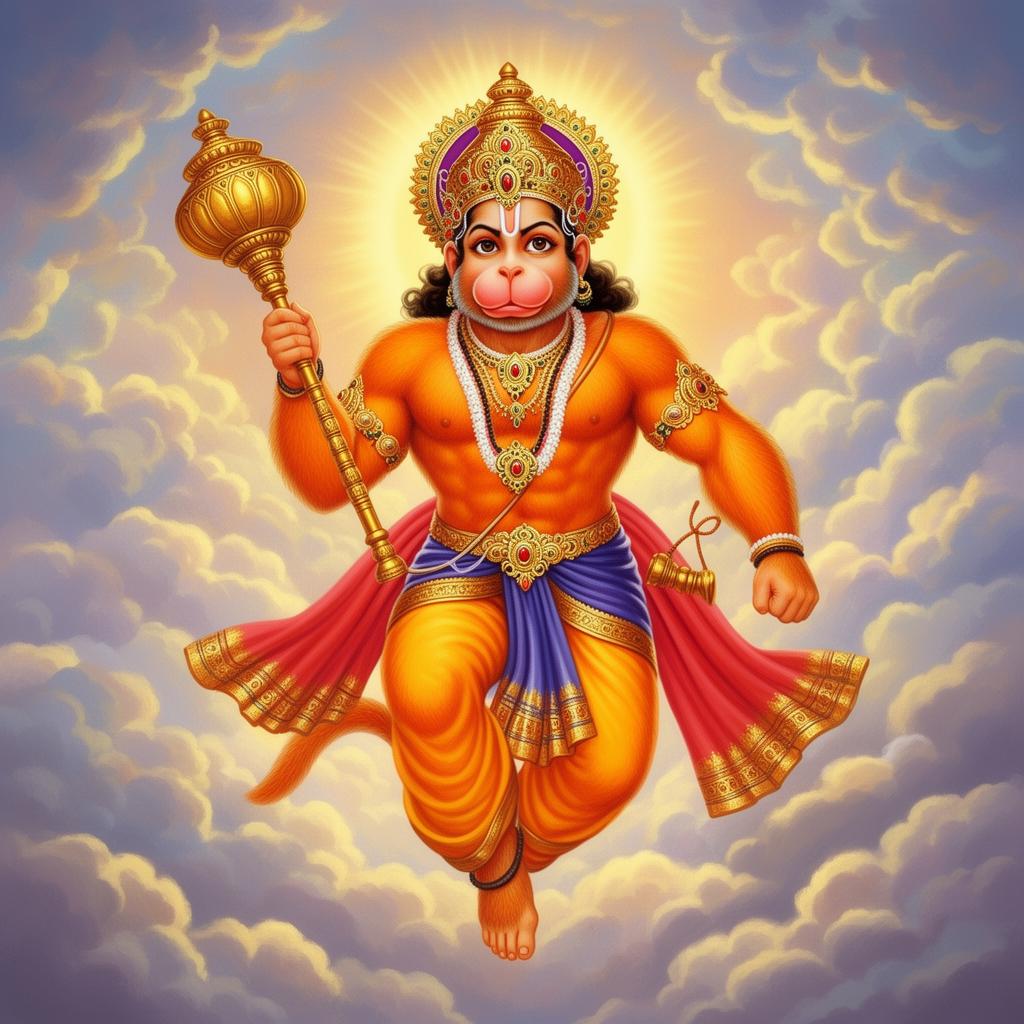
The Day Vishnu Chose to Live as a Human
Among Vishnu's 10 avatars, Lord Ram is unique - He is the only one who chose to live an entire human lifetime under the strictest possible dharmic constraints. Krishna was playful and used divine maya to bend rules. Narsimha was fierce and supernatural. Buddha was renunciative.
Ram was human. Born to King Dasharath of Ayodhya. Raised as a prince. Married to Sita. Exiled for 14 years to keep his father's word. Lost Sita to Ravana. Built an army of monkeys. Killed Ravana. Returned to Ayodhya as king. And ruled the most just kingdom ever recorded - Ram Rajya - where every citizen was happy, every law was fair, and even the trees and animals lived in harmony.
Ram was born on Chaitra Shukla Navami at exactly 12 noon (Madhyahna kaal). Ram Navami 2027 falls on Thursday, 15 April 2027.
This is the most important day of the year for: anyone who needs courage to do the right thing despite cost; anyone facing injustice and wanting to fight back without losing dharma; anyone preparing for a major test of integrity (court case, exam, business decision); anyone who wants to teach children the values of truth, family loyalty, and civic responsibility.
The Valmiki Ramayana is the original text (24,000 verses). The shorter, devotional Tulsi Ramayan / Ramcharitmanas is the most-recited version in north India today. Both describe the same Ram. Today, the entire Ramayan is recited from Chaitra Pratipada (start of Hindu new year) through Ram Navami - 9 days of Ramayan paath.
🙏 The Vandnaa App's Ram Navami module includes the complete Sundar Kand audio (most-recited section), 108 names of Ram, the 7 powerful mantras, and a 9-day Ramayan paath schedule.
The Story of Ram's Birth - Why Vishnu Chose Dasharath's Family
King Dasharath of Ayodhya was the greatest king of his era - wealthy, just, beloved. He had three queens (Kaushalya, Sumitra, Kaikeyi) but no children even after years of marriage. He performed every prescribed yagna. None worked.
Finally, on the advice of Sage Vasishta, Dasharath performed the Putrakameshti Yagna (the special fire-sacrifice for obtaining sons). After 21 days of intense ritual, Agni Devta himself emerged from the yagna fire, holding a golden pot of divine kheer (rice pudding).
'King Dasharath,' Agni said, 'this kheer is from Vishnu Himself. Distribute it among your queens. They will bear sons of celestial origin.'
Dasharath gave half the kheer to Kaushalya (the eldest queen), one-quarter to Kaikeyi, and one-quarter to Sumitra. Each queen ate her portion.
Nine months later, on Chaitra Shukla Navami at exactly 12 noon (Madhyahna), Kaushalya gave birth to Ram (Vishnu's primary form). Bharat (born to Kaikeyi) and the twins Lakshman & Shatrughna (born to Sumitra) followed shortly. All four are aspects of Vishnu.
Why 12 noon? Madhyahna kaal is the moment when the sun is at its peak - the strongest, most sattvic point of the day. Vishnu chose this exact moment to enter the world as a fully human manifestation. From birth, Ram was associated with the Surya Vansha (Sun Dynasty) - a connection that defined his commitment to truth like the sun's commitment to rising every day.
At Ram's birth:
- The skies opened
- Rain showers fell - even though it was the end of winter
- Devas, gandharvas, and kinnaras sang celestial songs
- The Sarayu river was visibly more beautiful that day
- Sage Vasishta declared 'A great age has begun. The dharma incarnate has taken birth.'
The four princes were raised together in the Ayodhya palace. They studied under Sage Vasishta and Sage Vishvamitra. Ram, even as a child, demonstrated extraordinary qualities - perfect memory, fearless courage, deep compassion. By age 16, he had killed the demoness Tataka and protected sage Vishvamitra's yagna. By 17, he had broken Lord Shiva's bow at Sita's swayamvara. The full Ramayana follows from there.
But the day Hindus celebrate annually is the birth itself - the moment dharma chose to walk among humans. Ram Navami is that moment, repeated each year.
Ram Navami 2027 - Step-by-Step Puja Vidhi & Madhyahna Sankalp
📅 Date: Thursday, 15 April 2027 🕒 Navami Tithi Begins: 12:11 PM, 14 April 2027 🕒 Navami Tithi Ends: 11:08 AM, 15 April 2027
Most Important - Madhyahna Muhurat (Ram's Birth Time): 11:53 AM – 12:46 PM, 15 April 2027 (53 minutes only) Pratah Sankalp: 5:43 AM – 7:00 AM, 15 April Avoid: Rahu Kaal (1:53 PM – 3:30 PM) on Thursday - do not begin major rituals during this window. Madhyahna puja MUST end before 12:46 PM to avoid Rahu Kaal.
Items Needed:
- Ram Darbar idol or photo (Ram + Sita + Lakshman + Hanuman) - preferred. Single Ram statue also fine.
- Yellow saree/dhoti for the idol (Ram is associated with yellow + green)
- Red kalawa, roli, kumkum, akshat, white chandan
- Yellow flowers (marigold), red flowers (rose), tulsi leaves (mandatory)
- Panchamrit, Ganga jal, fruits (especially mango, banana - Ram's favourites)
- Kheer, prasad sweets (boondi, peda)
- 5-wick ghee diya, dhoop
- Janau (sacred thread) - wear during puja
- Ramcharitmanas or Sundar Kand book
Step 1 - Pratah Snan & Sankalp (6:00 AM): Bathe before sunrise. Wear yellow or saffron clothes. Sit before the Ram idol facing east. Place water + akshat + tulsi in right hand.
Sankalp: 'I, [name], on this Chaitra Shukla Navami, observe Ram Navami vrat. May Lord Ram's qualities of truth, courage, dharma, family devotion, and just rule manifest in my life. May I serve my family, my country, and humanity as Ram served his. Sri Ramaya Namah. Om Sri Ram Jay Ram Jay Jay Ram.'
Step 2 - Morning Vrat: No grains, salt, onion, garlic. Phalahar (fruits + milk + dried fruits) recommended. Stay awake. Read Sundar Kand or any chapter of Ramcharitmanas - recommended is Bal Kand (covers Ram's birth story).
Step 3 - 9-Day Ramayan Paath (Chaitra Pratipada to Ram Navami, March 28 - April 15, 2027): Many devotees do a 9-day reading of the entire Ramcharitmanas, dividing it into 7 sections. The Vandnaa App provides the day-wise schedule and audio.
Step 4 - Madhyahna Puja (11:53 AM – 12:46 PM, 15 April) - THE MAIN PUJA:
- Bathe Ram idol with panchamrit, then Ganga jal
- Apply white chandan tilak (NOT red kumkum - Ram prefers chandan)
- Drape yellow cloth on the idol
- Place a tiny crown (mukut) on Ram's head if available
- Offer 21 fresh tulsi leaves (Ram, like all Vishnu forms, requires tulsi)
- Offer flowers, fruits, kheer
- Light the 5-wick diya at exactly 11:53 AM (Ram's actual birth moment in your timezone)
- Read the Ram-Janma section from Bal Kand (Ramcharitmanas) aloud
- Sing Ram Stuti - 'Sri Ramachandra Kripaalu Bhajamana, Haran Bhavabhaya Daarunam' (Sing of merciful Ramachandra, the destroyer of fearful samsara)
- Chant the 7 mantras (next section) - minimum one round of 108 each
Step 5 - Special Ram Navami Aarti at 12:00 noon: Light 9 ghee diyas (one for each of Ram's 9 stages of life). Sing the Ram Aarti - 'Aarti Ke Vele Naam, Sri Ram Sri Ram' and the Ramayan Aarti - the special hymn composed by Tulsidas.
Step 6 - Evening Bhajan & Kirtan: From 6 PM onwards, traditional families do collective Ram-naam kirtan. 'Sri Ram Jay Ram Jay Jay Ram' sung repeatedly for 1-2 hours has profound spiritual effect.
Step 7 - Parana (Vrat Breaking): After sunset (around 7:00 PM), break the vrat with prasad first, then a satvik meal. The next morning is normal - Ram Navami is a single-day vrat.
7 Powerful Ram Mantras for Courage, Truth & Victory
1. Ram Mool Mantra (most basic - chant 108x daily) ॐ श्री रामाय नमः Om Sri Raamaaya Namah → The simplest and most powerful Ram mantra. The 16-name Ram-Sankirtan mantra (next) is built on this foundation.
2. Ram Maha Mantra (16-name - chant 11 malas on Ram Navami) श्री राम जय राम जय जय राम Sri Raam Jay Raam Jay Jay Raam → The 16-name mantra that Lord Hanuman Himself chants daily. It is said that wherever this mantra is chanted, Hanuman's spiritual presence arrives. Chanting 1188 times (11 malas) on Ram Navami fills your home with His protective energy for one year.
3. Ram Tarak Mantra (the 'liberation mantra' for those near death) ॐ रामाय नमः Om Raamaaya Namah → This is what Lord Shiva himself whispers into the ear of every dying person in Kashi (Varanasi). It is said that anyone who hears Ram's name at the moment of death attains moksha. Chant 108 times whenever you visit a sick or dying person - invoking Ram's grace for their soul.
4. Ram Raksha Stotra (38 verses - protection mantra) This is THE most powerful protection stotra in Sanatan Dharma - composed by Sage Budha Kaushika. The 38 verses describe Ram protecting every part of the body - head, eyes, ears, throat, chest, arms, legs. Daily recitation creates a complete protective shield. Recommended for those facing court cases, dangerous travel, hostile workplaces, or repeated bad luck. Full text + audio in Vandnaa App. Takes 10 minutes to recite.
5. Ram Gayatri Mantra ॐ दशरथाय विद्महे, सीतावल्लभाय धीमहि। तन्नो रामः प्रचोदयात्॥ Om Dasharathaaya Vidmahe, Sita-Vallabhaaya Dhimahi, Tanno Raamah Prachodayat. → Awakens inner strength and clarity. Best chanted at Brahma muhurat for 21 days before any major test of integrity (court case, exam, business decision).
6. Ram Beej Mantra (for energy + protection) ॐ रां रामाय नमः Om Raam Raamaaya Namah → The seed mantra of Ram. The single syllable 'Raam' (पंचाक्षर) is itself complete - Lord Shiva taught Parvati that this one syllable contains the entire Ramayana's protection.
7. Hanuman-Ram Combined Mantra (when in extreme distress) ॐ हं हनुमते राम-दूताय नमः। ॐ श्री रामाय नमः। Om Ham Hanumate Raam-Dootaaya Namah, Om Sri Raamaaya Namah. → Hanuman is Ram's greatest devotee. Calling Hanuman first to deliver your prayer to Ram is the fastest spiritual route. Used by devotees in extreme situations - accidents, sudden hospitalization, family crises. Chant 11 times immediately when fear arises.
Special Ram Navami Practice - Reading Sundar Kand: The Sundar Kand (5th book of Ramayana) describes Hanuman's journey to Lanka, finding Sita, and giving her Ram's message. It is the MOST recited section of the entire Ramayana, especially on Ram Navami. Devotees believe that reading Sundar Kand on Ram Navami brings the same protection it brought Sita.
🎧 All 7 mantras with proper Sanskrit pronunciation, the complete Ram Raksha Stotra audio (38 verses), and a guided 9-day Ramayan paath schedule available on the Vandnaa App.
Ram Navami Fasting Rules, Foods, and Community Celebrations
Ram Navami fasting is among the most widespread Hindu vrats, observed by millions across all regions of India. The fast on this day is an act of solidarity with the divine - abstaining from ordinary nourishment to create inner space for Rama's presence.
Ram Navami fast levels:
- Nirjala (strict): No food or water from sunrise to sunset or until the puja is complete. This is the most merit-giving but only suitable for those in good health.
- Phalahar (fruit diet): Fruits, milk, and yogurt throughout the day - no grains or cooked food. This is the most common level.
- Saatvik Ekbhukta: One saatvik (pure, vegetarian, non-spiced) meal at noon or evening. No onion, garlic, or meat.
- No fast: Simply maintaining mental focus on Rama through the day, performing puja, and avoiding negative speech and actions - this too is a valid form of observance.
Foods permitted during Ram Navami fast:
- All fruits (particularly banana, apple, mango, pomegranate)
- Milk and milk products (curd, paneer, makhana/lotus seeds)
- Sendha namak (rock salt) instead of regular salt
- Sabudana (tapioca pearls) cooked in saatvik style
- Singhare ka atta (water chestnut flour) rotis or halwa
- Kuttu (buckwheat) flour preparations
- Almond milk and dry fruits
Special Ram Navami prasad recipes:
Panjiri: Dry roast 2 cups wheat flour in ghee until golden. Add 1 cup powdered sugar, 2 tbsp each of almonds, cashews, and raisins (chopped), 1 tsp cardamom. Mix well. Serve as prasad.
Panchamrit: Mix 5 tbsp milk, 5 tbsp yogurt, 1 tbsp honey, 1 tbsp ghee, 1 tbsp raw cane sugar. This is used for abhishek and also distributed as prasad.
Community celebrations on Ram Navami: Many temples organize Rath Yatra (chariot procession) of Rama, Sita, Lakshmana, and Hanuman - devotees pull the chariot through streets while chanting "Jai Shri Ram." This custom is particularly elaborate in Ayodhya (Ram's birthplace) and in South Indian temples (where Rama's chariot is called Rathotsavam).
Ram Navami in Ayodhya: The new Ram Temple at Ayodhya (inaugurated 2024) has transformed Ram Navami into a national pilgrimage event. Millions are expected to visit the Ram Lalla shrine on Ram Navami 2027. Those who cannot travel to Ayodhya observe the festival with equivalent devotion at home.
Breaking the fast: The fast is broken after sunset with simple food - preferably a meal that includes rice and dal (khichdi), which Rama himself is said to have favored. Many families break the Ram Navami fast together with a community meal (prasad bhoj).
The Vandnaa app provides Ram Navami fast rules, a complete list of permitted foods, prasad recipes, and puja vidhi - all in an easy-to-follow format with reminders throughout the day.
Common Questions From Devotees
Why is Sundar Kand so specifically recommended for Ram Navami?+
Sundar Kand is the only book in the Ramayana where Hanuman is the central hero - Ram is mostly absent. It describes Hanuman's heroic journey across the ocean to Lanka, finding Sita, giving her Ram's message of hope, and burning down Lanka. Why is this specifically powerful on Ram Navami? Because Ram Navami celebrates Ram's birth - and the best gift to Ram, per Hanuman himself, is to tell Ram's story to Sita and others. Hanuman did this in Sundar Kand. Reading Sundar Kand on Ram Navami is essentially YOU becoming Hanuman for that day - carrying Ram's message to your family and community. It also has practical effects - Sundar Kand is documented to reduce anxiety, fear, and obstacles in life within 7 days of consistent recitation.
Should I keep a separate Ram idol for puja or can I use the family's main Vishnu idol?+
Either is acceptable, but a Ram-specific image is preferred for Ram Navami. Why? Each Vishnu avatar has a specific energy signature - Ram's signature is dignified, restrained, dharmic. A general Vishnu image (with conch, chakra, gada, lotus) does not specifically invoke Ram. A Ram Darbar image (Ram + Sita + Lakshman + Hanuman) is most powerful. If you cannot get this on short notice, a printed photo from the internet works - print it, frame it, treat it with the same respect as a metal idol. After Ram Navami, the photo can be retained as a permanent puja-room piece. The Vandnaa App offers high-resolution Ram Darbar images you can print.
What is the connection between Ram Navami and the Ayodhya Ram Mandir?+
Ayodhya is the birthplace of Lord Ram - and Ram Navami is the celebration of His birth. So Ayodhya is THE most sacred location for Ram Navami celebration. The new Ram Mandir at Ayodhya (consecrated in January 2024) holds the largest Ram Navami celebration in the world - lakhs of devotees gather. The day starts with abhishek of Ram Lalla (the infant Ram form) at midnight, continues through Madhyahna (12 noon - Ram's birth moment) puja, and night-long bhajans. Even if you cannot travel to Ayodhya, watch the live darshan from the Mandir on TV/YouTube/Vandnaa App. The collective energy of lakhs of devotees praying at the same moment is uniquely powerful. Most temples across India organize 'parallel' celebrations broadcasting the Ayodhya darshan.
Is it true that chanting 'Ram Ram' is more powerful than other mantras?+
It is a Tulsi Ramayan teaching, not a comparison. Tulsidas says: 'Ram naam mani deep dharu, jeebh dehri dwaar; Tulsidas nij hriday hi, kahaan ujiyaaro paar.' (Place the lamp of Ram-naam at the doorstep of the tongue and you will see light in your heart and beyond.) The teaching is that Ram-naam, because of Ram's perfect dharmic life, is uniquely accessible to ordinary householders. Krishna's mantras require deeper knowledge of bhakti rasa. Shiva's mantras require yogic discipline. Devi's mantras require shakti understanding. Ram-naam is the SIMPLEST mantra - and yet because Ram lived as a perfect human, every human can immediately relate. Tulsidas is not saying Ram > Krishna. He is saying Ram-naam is the most accessible. This is why Mahatma Gandhi's last words were 'Hey Ram' - the mantra most natural to a householder's heart.
What if I cannot do the full 9-day Ramayan paath - is one day enough?+
One day is fully sufficient - Ram Navami itself. The 9-day paath is for devotees who want intensive engagement. For everyone else, a focused Ram Navami observance suffices: morning sankalp, midday puja at exact Madhyahna muhurat (11:53 AM – 12:46 PM), reading the Ram-Janma section from Bal Kand (15-20 minutes) or Sundar Kand (45 minutes - recommended), 108 chants of any one Ram mantra, and evening bhajans. The bhaav (devotion) reaches Ram irrespective of duration. Many devotees observe Ram Navami this 'concentrated' way for years and report deep spiritual benefits. Start small. Build gradually. Next year, perhaps add Sundar Kand. The year after, perhaps the 9-day paath. Continuous growth is the goal, not exhausting initial efforts.
About the author
Acharya Vinaya Kapoor · M.A. Sanskrit, Mantra & Stotra Studies
Acharya Vinaya holds an M.A. in Sanskrit from Banaras Hindu University and writes the mantra and stotra commentary on Vandnaa. Her focus is on accurate pronunciation, traditional context, and helping modern readers connect with classical texts.
Meet the Vandnaa editorial team →Explore on Vandnaa
Related Articles
Hanuman Jayanti 2026: Date, Puja Vidhi, Sundarkand & 7 Most Powerful Hanuman Mantras
9 min read
Hanuman Chalisa Meaning, Benefits & How to Chant (हनुमान चालीसा अर्थ)
10 min read
Vasant Panchami 2027: Saraswati Puja Vidhi, Yellow Significance & 7 Mantras for Knowledge
9 min read
108 Names of Lord Krishna: Complete List with Meaning, Benefits & How to Chant Daily
12 min read