Ram Rajya: What the Term Truly Means
Ram Rajya refers to the rule of Lord Rama over Ayodhya following his return from fourteen years of exile, remembered in tradition as a golden period of governance marked by justice, compassion and the wellbeing of every citizen, regardless of station. The phrase has since come to represent, in devotional and cultural memory, the very ideal of righteous rule.
Far more than a historical period, Ram Rajya is understood by devotees as a standard, a measure of what leadership guided entirely by dharma can achieve for the people it serves.
The Katha: Ayodhya's Golden Years
Tradition describes Rama's coronation in Ayodhya, after the victory in Lanka and the joyous Bharat Milap, as a moment of celebration for the entire kingdom, still remembered each year through the lighting of diyas at Diwali. Ayodhya, it is said, blossomed under Rama's rule, with citizens living free of hunger, disease and injustice, and every ruler in the land following his example.
Ramayana tradition describes Rama as a king who placed his people's welfare above his own comfort, personally attentive to the concerns of even the humblest of his subjects, an ideal that gave the very phrase Ram Rajya its lasting meaning.
Why Ram Rajya Matters to Devotees Today
Ram Rajya continues to inspire devotees as a vision of what society can become when guided by dharma rather than self-interest.
- Devotees pray for the values of Ram Rajya, justice, compassion and equality, to be reflected in their own communities
- The concept is often invoked as a reminder that true leadership serves rather than dominates
- Many families recite prayers for peace and prosperity styled after the spirit of Ram Rajya during festivals like Diwali
- The ideal reinforces that a ruler's greatness lies in humility and accessibility to even the humblest citizen
Where Ram Rajya Is Remembered Today
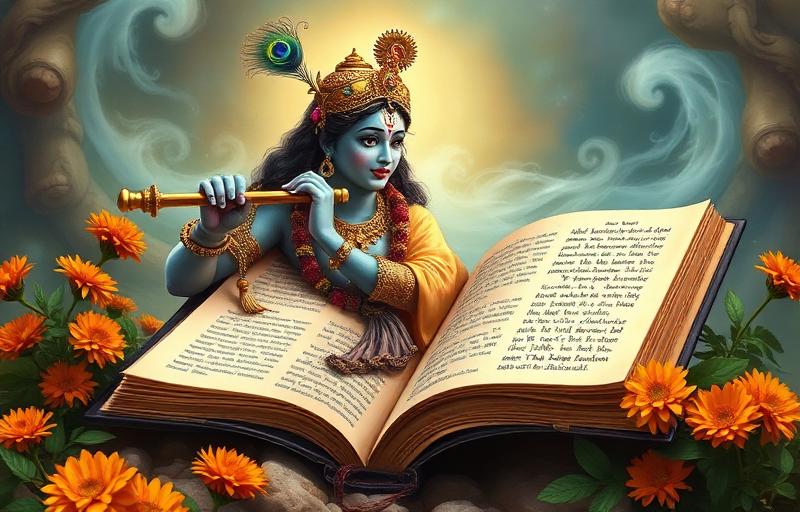
Ayodhya itself, with its Ramkot area and the ghats of the Sarayu river, remains the place devotees most associate with Ram Rajya, its every corner tied to memories of Rama's rule. The city's grand Deepotsav celebration each year, lighting countless diyas along the Sarayu, is the most visible modern expression of the joy that tradition says once greeted Rama's return.
Devotees visiting Ayodhya often combine darshan at its temples with quiet reflection on this ideal of righteous governance.
How to Reach Ayodhya
Ayodhya, in Uttar Pradesh, has its own airport and railway station with strong connectivity to major Indian cities, making it accessible by road, rail and air for pilgrims wishing to reflect on the legacy of Ram Rajya.
A Prayer to Offer and the Takeaway
Devotees reflecting on Ram Rajya often chant Om Shri Ramaya Namah, praying that its spirit of justice and compassion find a place in their own lives and communities.
Ram Rajya reminds devotees that the truest measure of any leader, and indeed of any of us, is how gently and justly we treat those who depend on us. Worship at such sites is an act of faith and love, not a transaction.
Quick Answers
What does the term Ram Rajya mean?+
Ram Rajya refers to the ideal, righteous rule of Lord Rama over Ayodhya, remembered as a golden period of justice, compassion and welfare for every citizen.
When did Ram Rajya begin according to tradition?+
Tradition holds that Ram Rajya began with Rama's coronation in Ayodhya after his victory in Lanka and his return from fourteen years of exile.
Why is Ram Rajya still invoked today?+
Ram Rajya is invoked today as an enduring ideal of governance rooted in justice, compassion and service, values devotees hope to see reflected in society.
About the author
Pandit Ravindra Sharma · Vedic Rituals & Bhakti, 22+ years
Pandit Ravindra is the Vandnaa editorial team's resident specialist on aarti, chalisa, and daily devotion. He has performed home and temple pujas across Varanasi and Delhi for over two decades and contributes the bhakti-focused articles on this site.
Meet the Vandnaa editorial team →