Origin Story + Why This Stotra Is So Powerful
The Origin Story:
Sage Budhakausika was a devoted Rama bhakta who lived during the Ramayana era. One night, he had a profound dream in which Lord Rama himself appeared and dictated the verses of a protection mantra. Upon waking, the sage immediately wrote down what he had heard - and this became the Ram Raksha Stotra.
Lord Rama's instructions in the dream were precise: each verse would protect a specific part of the body, each line would guard against specific dangers. The complete recitation would create a divine kavacha (armor) around the devotee, impenetrable to any harm.
The stotra became immediately popular among Rama bhaktas. Tradition holds that even today, sincere chanting of Ram Raksha Stotra creates a measurable energetic shield around the devotee.
Structure of the 38 verses:
- Verses 1-3: Invocation and dhyana (meditation on Rama's form).
- Verses 4-15: Anga Nyasa - assigning protection to each body part:
- Head, forehead, eyes, ears, nose
- Mouth, tongue, neck, shoulders, chest
- Stomach, hips, thighs, knees, feet
- Verses 16-25: Protection from external threats - enemies, thieves, weapons, accidents, fire, water, animals.
- Verses 26-32: Protection from invisible threats - evil spirits, black magic, planetary doshas, fears, bad dreams.
- Verses 33-38: Phala Shruti (fruits of recitation) and conclusion.
Why this stotra is uniquely powerful:
1. Divine dictation. Unlike other stotras composed by sages from their own devotion, Ram Raksha was directly given by Rama in dream. The 'authorship' is technically Rama himself.
2. Anga Nyasa approach. Each body part is individually consecrated and protected. This systematic approach is more comprehensive than general prayers.
3. 38 verses, 38 protections. Each verse addresses a specific threat. By the end, all imaginable dangers are covered.
4. Includes the Rama Naam. Multiple names of Rama are interspersed, multiplying the protection through Lord Rama's many forms.
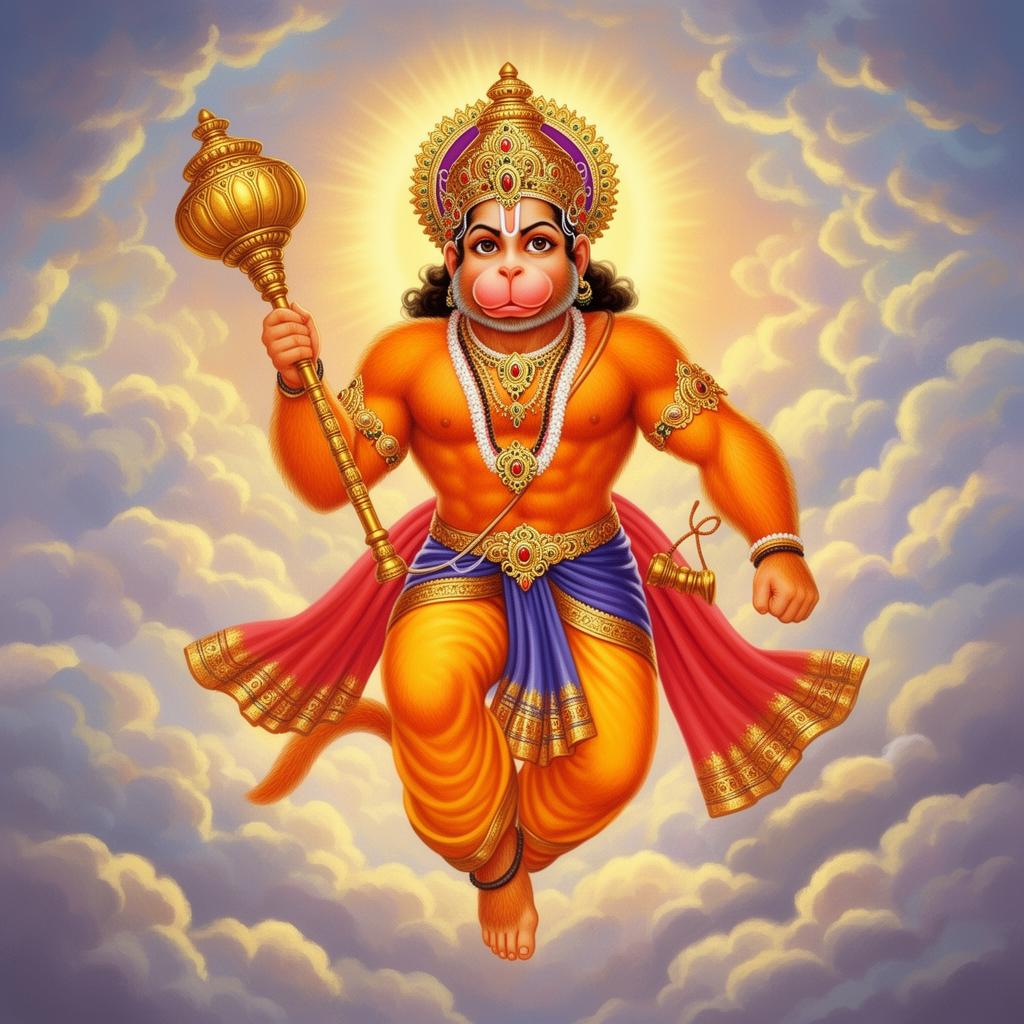
5. Hanuman is invoked. As Rama's servant and the most powerful protective deity, Hanuman's blessing is requested through specific verses.
Who should chant Ram Raksha Stotra:
- Children going to school, traveling alone.
- Travelers before journeys, especially long-distance or risky travel.
- Patients before surgery, during illness, for recovery.
- People facing legal cases, court appearances, conflicts.
- Soldiers, police, security personnel before duty.
- Pregnant women for protection of mother and child.
- Those who experience nightmares, sleep paralysis, or feel watched.
- People in new homes for property protection.
- Anyone before sleeping as a daily protective practice.
- People facing depression or fear - the stotra clears emotional darkness.
Best times to chant:
- Brahma Muhurta (4-5:30 AM) - most powerful.
- Morning prayer time (6-8 AM).
- Before sleep - creates protective shield for the night.
- Before any journey - shields the traveler.
- Before any procedure (surgery, exam, interview).
- Tuesdays (Hanuman's day) for additional protection.
- Ekadashi days for spiritual potency.
- Ram Navami for special grace.
Key Verses + Complete Vidhi to Chant
Opening Dhyana Verse (Meditation):
ध्यायेदाजानुबाहुं धृतशरधनुषं बद्धपद्मासनस्थम्। पीतं वासो वसानं नवकमलदलस्पर्धिनेत्रं प्रसन्नम्॥
Meaning: Meditate on Lord Rama who has long arms reaching the knees, holding bow and arrow, seated in lotus posture, wearing yellow garments, with eyes that rival fresh lotus petals, with a serene face.
Famous Verse - The Anga Nyasa Beginning:
रामो राजमणिः सदा विजयते रामं रमेशं भजे। रामेणाभिहता निशाचरचमू रामाय तस्मै नमः॥ रामान्नास्ति परायणं परतरं रामस्य दासोऽस्म्यहम्। रामे चित्तलयः सदा भवतु मे भो राम मामुद्धर॥
Transliteration: Ramo rajamanih sada vijayate, ramam ramesham bhaje. Ramena-bhihata nishachara-chamur ramaya tasmai namah. Ramannasti parayanam parataram, ramasya daso-asmyaham. Rame chittalayah sada bhavatu me, bho rama mam-uddhara.
Meaning: Rama, the king-jewel, is always victorious - I worship Rama, Lord of Lakshmi. By Rama, the demon armies were destroyed - to that Rama, salutations. There is no higher refuge than Rama - I am the servant of Rama. May my mind always be absorbed in Rama. O Rama, please uplift me.
The Key Protection Verse (Most Famous):
रामो लक्ष्मणपूर्वजो रघुवरः सीतापतिः सुन्दरः। काकुत्स्थः करुणार्णवः गुणनिधिर्विप्रप्रियो धार्मिकः॥ राजेन्द्रः सत्यसन्धो दशरथतनयः श्यामलः शान्तमूर्तिः। वन्द्यो वरेण्यः पुरुषोत्तमः सर्वजगन्नायकः॥
Meaning: Rama, elder brother of Lakshmana, best of the Raghu lineage, husband of Sita, beautiful one, son of Kakutstha lineage, ocean of compassion, treasure of virtues, beloved of Brahmins, righteous one, king of kings, true to his word, son of Dasharatha, dark-complexioned, peaceful-formed, worshipful, supreme, ultimate man, ruler of all worlds.
The Hanuman Verse:
समर्थ नाम सुमिरत स्वामी कारज होय। हनुमत बाहुधार धरि लीजै शीस सम्भाल लीजै॥
Meaning: When the powerful name (of Rama) is remembered, the work succeeds. May Hanuman extend his arm-shield and protect my head and shoulders.
The Phala Shruti (Closing - Fruits of Recitation):
पातालभूतलव्योम चारिणश्छद्मचारिणः। न द्रष्टुमपि शक्तास्ते रक्षितं रामनामभिः॥
Meaning: Those who roam the netherworld, the earth, and the sky in disguise (evil spirits) cannot even see the one protected by Rama's name.
रामेति रामभद्रेति रामचन्द्रेति वा स्मरन्। नरो न लिप्यते पापैर्भुक्तिं मुक्तिं च विन्दति॥
Meaning: Remembering Rama as 'Rama, Ramabhadra, Ramachandra', a person is not stained by sins. He attains both worldly happiness (bhukti) and final liberation (mukti).
Complete Daily Vidhi:
Step 1 - Preparation:
- Bath in morning.
- Wear clean clothes (preferably yellow for Rama).
- Sit on a mat facing east or north.
- Light a diya, incense.
- Place Rama-Sita-Lakshmana-Hanuman picture/idol if available.
Step 2 - Sankalpa:
- Sit straight, close eyes briefly.
- Mentally state intention: 'I chant Ram Raksha Stotra for protection of myself, my family, and all beings.'
Step 3 - Recitation:
- Read or recite all 38 verses with attention.
- Takes approximately 8-12 minutes.
- For maximum benefit, chant 3 or 11 times in one sitting.
- Don't rush - let each verse register.
Step 4 - After recitation:
- Sit silently 3-5 minutes feeling the protection.
- Chant 'Sri Rama Jai Rama Jai Jai Rama' 108 times if time permits.
- Pranam to Lord Rama.
- Resume daily activities.
Step 5 - Bedtime variation:
- Recite just before sleeping.
- Mental recitation acceptable.
- Visualize a golden shield of light around your body.
- Sleep peacefully - dreams remain pure.
41-day intensive practice:
For major protection needs (illness, dangerous travel, court cases), do:
- 11 recitations daily for 41 consecutive days.
- Maintain vegetarian diet.
- Speak only truth.
- Help at least one person daily.
- Donate to charity (especially Rama temples or animal welfare).
This intense practice creates exceptional spiritual armor that lasts months after the practice ends.
Common Questions From Devotees
Can children chant Ram Raksha Stotra or is it too complex?+
Children can absolutely chant it - and they especially benefit from its protection. For young children (5-10 years): teach them just the famous protection verse first, build to full stotra over months. The Anga Nyasa structure is especially valuable for children as it teaches body awareness. Parents can chant it over a sleeping child for protection during sickness, exams, or before competitions. Many traditional families recite Ram Raksha Stotra over newborns daily for the first 40 days to establish lifelong protection.
Does Ram Raksha Stotra really work for physical protection?+
Devotees report many experiences: accidents narrowly missed, illnesses recovered faster, attempted violence diverted, lost children found safe. While these are anecdotal, the consistency is notable across millions of practitioners over centuries. Scientifically: regular recitation creates focused intention, lowers anxiety (which improves decision-making), creates social bonds with devout community (which provides practical support), and may have subtle psycho-physiological effects. Whether 'magical protection' or 'enhanced awareness', the outcome - safer lives - is real. Best approach: combine the stotra with practical caution (don't drive recklessly trusting in protection alone).
What if I make pronunciation mistakes - does the protection fail?+
Devotion supersedes perfect pronunciation. Lord Rama is famous for accepting devotion in any form - he ate berries from Shabari that she had pre-tasted to ensure their sweetness, breaking ritual purity rules. Pronunciation errors do not invalidate the stotra. However, do try to improve over time: listen to audio recordings, practice slowly, learn meaning. Within 3-6 months of regular chanting, pronunciation naturally improves. Don't let pronunciation anxiety stop you from chanting - that would be losing protection due to a trivial concern. Start where you are, improve as you go.
Can I chant Ram Raksha while menstruating?+
Mental chanting is fully acceptable; some traditional families avoid physical idol-touching during menstruation but mental recitation has no restriction. Many spiritual teachers (including modern female gurus) explicitly say: God does not stop being God during your body's natural cycle. If you feel uncomfortable, recite without touching idol/book - just from memory or screen. The protection works equally. The 'untouchability' rules during menstruation come from a specific socio-historical context that many modern devotees and teachers consider outdated. Trust your inner clarity - if it feels right to chant, chant.
About the author
Acharya Vinaya Kapoor · M.A. Sanskrit, Mantra & Stotra Studies
Acharya Vinaya holds an M.A. in Sanskrit from Banaras Hindu University and writes the mantra and stotra commentary on Vandnaa. Her focus is on accurate pronunciation, traditional context, and helping modern readers connect with classical texts.
Meet the Vandnaa editorial team →