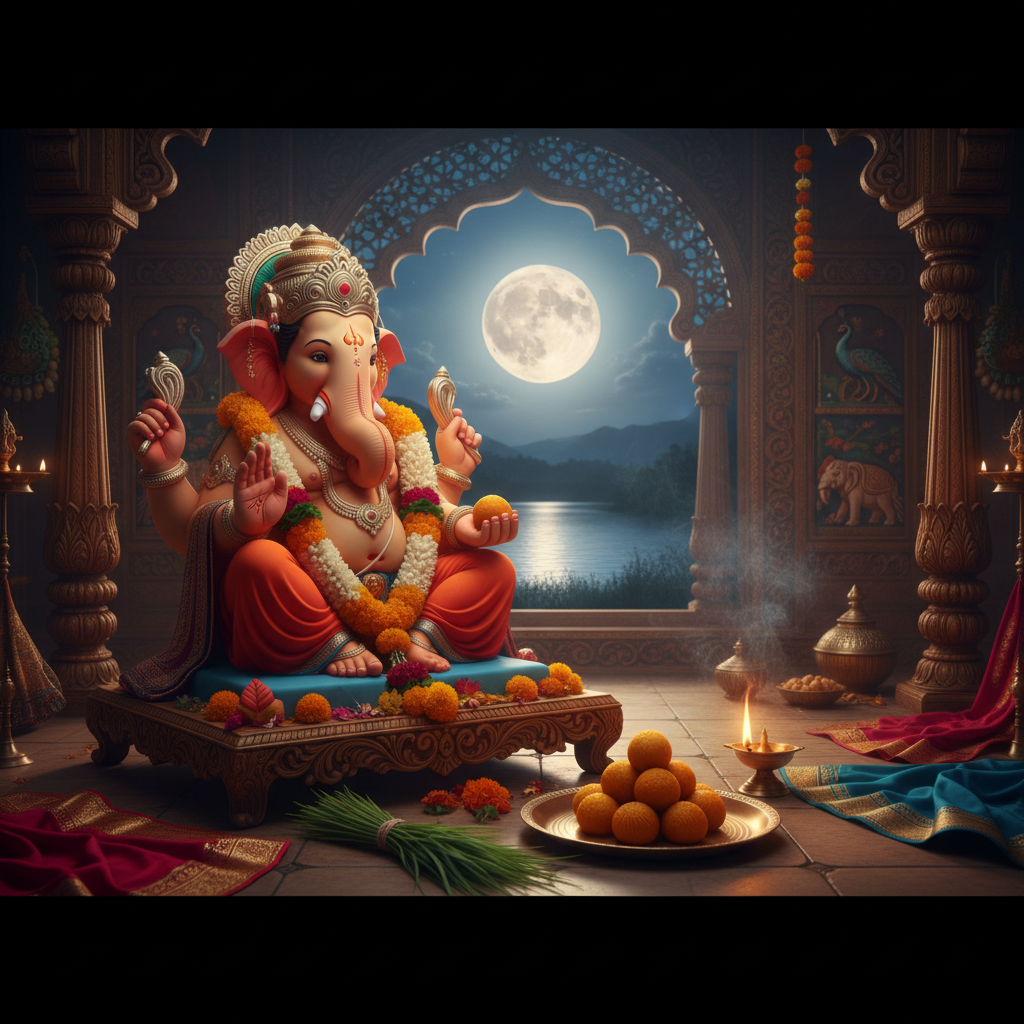
The Rare Three-Eyed Ganesha
Within the ancient Ranthambore Fort in Rajasthan stands the Trinetra Ganesh Temple, home to a distinctive idol of Ganesha depicted with three eyes rather than the usual two, along with his consorts Riddhi and Siddhi and his sons Shubh and Labh by his side. This form is considered rare and especially sacred among devotees of Ganesha across India.
The temple, tucked within the fort that also gives shelter to the region's famous tigers in the surrounding reserve, has drawn devotion for centuries, its stone walls carrying the quiet weight of generations of prayer.
History and the Letter-Writing Tradition
Tradition connects the temple's origins to Maharaja Hammir Singh of Ranthambore, said to have dreamt of Ganesha appearing on the fort wall on the eve of a decisive battle, after which the idol is believed to have manifested at this very spot. Over the centuries, the temple grew into one of the most beloved Ganesha shrines of Rajasthan.
A distinctive custom has grown around this temple: devotees, and even institutions and families across India, write letters addressed to Trinetra Ganesh Ji, inviting him to auspicious family occasions such as weddings, and these letters are received and read out by temple priests, believed to carry the invitation directly to the deity.
Significance and Devotee Beliefs
Devotees regard Trinetra Ganesh as an especially auspicious presence for beginnings of every kind, from weddings to business ventures, believing that his blessing ensures the removal of obstacles before they arise. Thousands of invitation letters are said to arrive at the temple regularly, a testament to the enduring faith placed in this custom.
- Families write letters inviting the deity to weddings and other celebrations
- The three-eyed form is seen as granting heightened protective vision
- The temple is thronged especially during the wedding season across India
- Devotees also seek blessings for new business or educational beginnings
Darshan Guide, Timings and Festivals
The temple lies within Ranthambore Fort, and darshan is generally available through the day when the fort is open to visitors. Ganesh Chaturthi is celebrated here with great devotion, and the temple also sees a steady stream of wedding invitation letters throughout the year, especially during the traditional Indian wedding seasons.
Visitors often combine their temple visit with exploring the historic fort itself, which offers views over the surrounding Ranthambore National Park.
How to Reach Trinetra Ganesh Temple
The temple is located inside Ranthambore Fort, near Sawai Madhopur town in Rajasthan, reachable by a drive up the fort road followed by a short walk. Sawai Madhopur railway station is well connected to Delhi, Jaipur and Mumbai, making it the most convenient gateway for pilgrims.
The nearest airport with regular connectivity is Jaipur, from where Sawai Madhopur can be reached by road or rail.
Mantra and the Takeaway
Devotees at Trinetra Ganesh chant Om Gam Ganapataye Namah and Vakratunda Mahakaya invoking the deity's grace before writing their heartfelt invitation letters. The simple gesture of a letter, however modest, is treated with the same sincerity as any elaborate ritual.
The temple's letter-writing custom reminds devotees that faith often finds its most touching expression in simple, heartfelt gestures. Worship here is an act of faith and love, not a transaction.
Common Questions From Devotees
Why do devotees write letters to Trinetra Ganesh?+
A long-standing custom holds that devotees invite Ganesha to auspicious family occasions like weddings by writing him letters, which are received and read out by temple priests as a personal invitation to the deity.
What makes the Ranthambore Ganesh idol unusual?+
The idol is depicted with three eyes rather than the usual two, a rare form known as Trinetra Ganesh, considered especially auspicious and protective by devotees.
Is the temple inside the Ranthambore tiger reserve?+
The temple is located within Ranthambore Fort, which lies within the broader Ranthambore National Park area, though the temple itself is a separate heritage and pilgrimage site accessible to visitors.
About the author
Pandit Ravindra Sharma · Vedic Rituals & Bhakti, 22+ years
Pandit Ravindra is the Vandnaa editorial team's resident specialist on aarti, chalisa, and daily devotion. He has performed home and temple pujas across Varanasi and Delhi for over two decades and contributes the bhakti-focused articles on this site.
Meet the Vandnaa editorial team →