Following the Ramayana Trail in Sri Lanka
For devotees tracing the events of the Ramayana, Sri Lanka holds a scattering of sites that local tradition connects to Ravana, the king of Lanka whose abduction of Sita sets the epic's central conflict in motion. Together these locations form what is popularly known today as the Ramayana Trail, a devotional circuit followed by pilgrims and curious travellers alike.
These sites are approached in the same spirit as other itihasa-linked locations across India, honoured through devotional tradition and local memory passed down over generations, rather than through archaeological certainty.
Ravana Ella Falls and the Nearby Caves
In the hill country near Ella, a scenic waterfall known as Ravana Ella cascades down a rock face, and local legend holds this as a place connected to Ravana's presence during the time Sita was said to be kept in Lanka. Nearby caves, sometimes called Ravana's caves, add to the area's association with this chapter of the epic.
Today the falls are a popular stop for both pilgrims and travellers, admired for their natural beauty as much as for the devotional legend attached to them.
Ussangoda and Other Legendary Spots
Along the southern coast, the unusual reddish landscape of Ussangoda is popularly linked in local legend to the landing or burning of the Pushpaka Vimana, the celestial chariot associated with Ravana in the epic's retellings. Elsewhere on the island, other hills and valleys carry their own local legends tying them loosely to the wider Ramayana narrative.
Devotees generally treat these connections as part of a cherished oral tradition, adding a layer of devotional meaning to Sri Lanka's landscape rather than serving as definitive historical claims.
Ravana's Remembered Devotion to Shiva
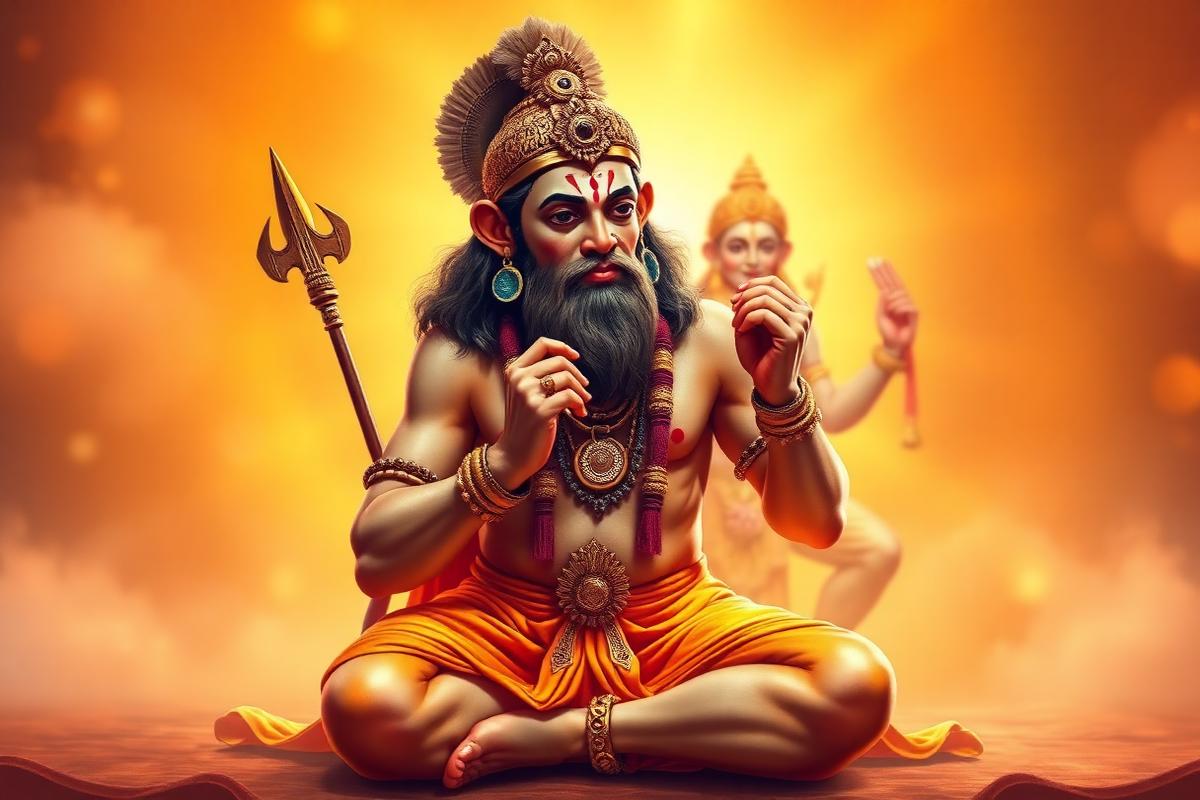
Alongside his role as the epic's antagonist, Hindu tradition also remembers Ravana as a great scholar and an intense devotee of Shiva, said to have composed hymns in his praise and to have possessed deep knowledge of the scriptures. This more complex portrait is part of why sites linked to him in Sri Lanka are approached with curiosity and respect rather than simple dismissal.
Devotional tradition holds that even Ravana's story carries a lesson, that great knowledge and devotion, without humility, can still lead one astray, a teaching many devotees reflect on when visiting these sites.
Visiting These Sites Today
For most pilgrims, tracing these Ravana-linked sites is less about the figure of Ravana himself and more about walking through the wider landscape of the Ramayana, connecting the epic's events to real places and deepening one's own sense of the story's scale. Many combine these visits with darshan at Sita Eliya and the Pancha Ishwaram temples for a fuller devotional journey.
Approaching these sites with an open, reflective mind, rather than controversy, is how most devotees choose to experience Sri Lanka's place within the Ramayana tradition, an act of curiosity and faith rather than a transaction.
What People Ask Most
Are the Ravana-linked sites in Sri Lanka historically verified?+
These sites are connected to Ravana through local devotional legend and oral tradition passed down over generations, rather than through settled historical or archaeological proof, and devotees approach them in that spirit.
Is Ravana viewed only negatively in Hindu tradition?+
No, alongside his role in the Ramayana, Ravana is also remembered as a scholar and a devoted worshipper of Shiva, giving his story a more complex place in devotional memory.
What is the Ramayana Trail?+
It refers to a popular circuit of Sri Lankan sites, including places linked to Ravana and to Sita, that pilgrims and travellers visit to connect with the landscape of the Ramayana.
About the author
Pandit Ravindra Sharma · Vedic Rituals & Bhakti, 22+ years
Pandit Ravindra is the Vandnaa editorial team's resident specialist on aarti, chalisa, and daily devotion. He has performed home and temple pujas across Varanasi and Delhi for over two decades and contributes the bhakti-focused articles on this site.
Meet the Vandnaa editorial team →